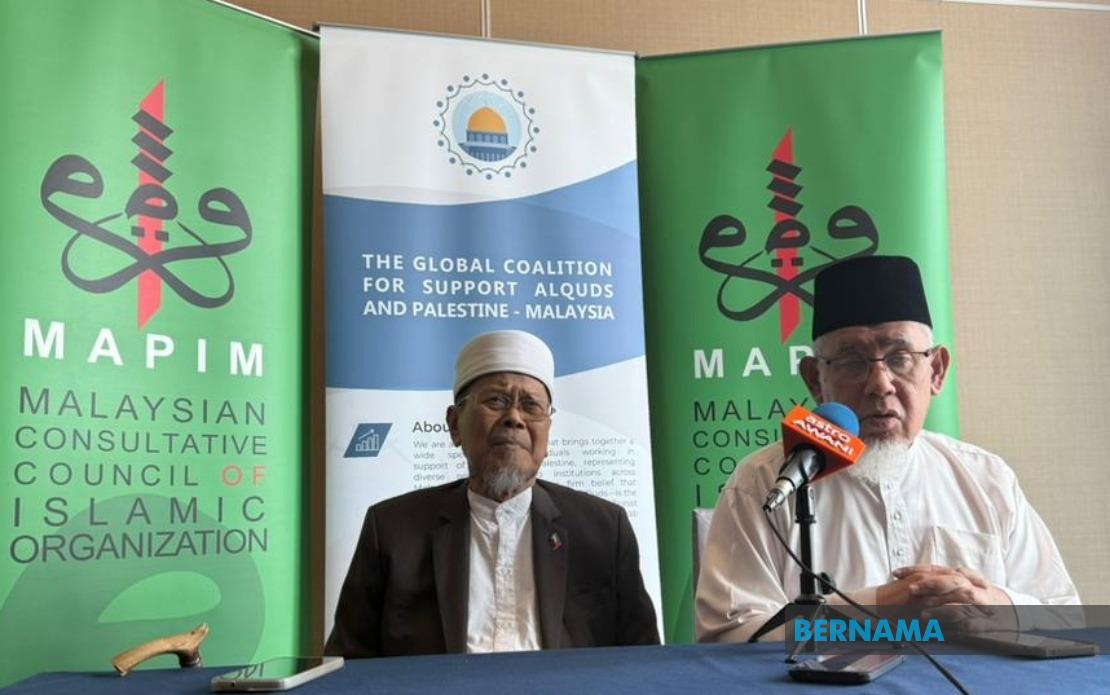
The Malaysian Consultative Council of Islamic Organisations (MAPIM) is mobilising a humanitarian response to the devastating flash floods that swept through Nepal's mountainous regions, dispatching a relief mission on September 5 to provide urgent assistance to affected communities. The decision comes days after an avalanche-triggered torrent of water, rock, ice and debris tore through several villages along a major trekking corridor connecting Kathmandu to Tibet, resulting in massive casualties and leaving thousands missing or displaced.
MAPIM president Mohd Azmi Abdul Hamid announced the initiative during a press conference in Ipoh on August 28, detailing plans for an initial assessment team of four volunteers who will travel to Nepal to evaluate ground conditions and coordinate the delivery of humanitarian support. The organisation has already engaged diplomatic channels, liaising with the Embassy of Nepal to obtain preliminary situational reports and facilitate smooth deployment of relief workers once the mission arrives on the ground.
The scale of the catastrophe underscores the urgent nature of Malaysia's response. The August 26 disaster claimed at least 469 lives and left more than 1,400 individuals unaccounted for, including approximately 540 foreign nationals caught in the affected areas. The torrent swept through populated settlements and destroyed critical infrastructure in its path, particularly damaging facilities and transport networks along the popular trekking route that serves as a major tourism corridor for the region. Initial reports indicate that the avalanche triggered a chain reaction of cascading water and debris flows that overwhelmed entire villages with little warning.
Malaysia faces its own humanitarian concern stemming from the disaster. According to the Ministry of Foreign Affairs, 57 Malaysian nationals remained unaccounted for as of late August 27, based on reports compiled from distressed family members, colleagues and employers. This figure highlights the significant Malaysian presence in the trekking and tourism sectors across Nepal, making the relief effort personally resonant for many families back home who are desperately seeking information about loved ones.
Recognising the scale of needs on the ground, MAPIM is adopting a collaborative approach rather than operating in isolation. Beyond deploying its own volunteer contingent, the organisation is actively inviting participation from other Malaysian non-governmental organisations to amplify the collective impact of relief efforts. Notably, MAPIM is coordinating with MyCare, an established humanitarian organisation, alongside two local NGOs already operating within Nepal, creating a network that combines Malaysian expertise with on-ground presence and local knowledge.
Mohd Azmi outlined the immediate priorities guiding the relief mission's initial phase. Medical supplies rank as the foremost requirement given the scale of injuries sustained across the affected population, followed closely by the urgent distribution of basic food packages to survivors who have lost access to regular supply routes and market facilities. This two-pronged approach reflects international humanitarian standards for post-disaster response, prioritising life-saving medical intervention before transitioning to longer-term subsistence support.
The timing of Malaysia's deployment carries diplomatic significance within the Southeast Asian context. By mobilising resources swiftly and collaborating with established humanitarian channels, Malaysia reinforces its standing as a responsible regional actor willing to extend support during major humanitarian crises affecting neighbouring countries. Such demonstrations of solidarity strengthen relationships between nations and underscore shared values of compassion across the region, particularly among Muslim-majority Southeast Asian states.
MAPIM has indicated that formal details of the special mission will be conveyed to Prime Minister Datuk Seri Anwar Ibrahim in coming days, suggesting governmental awareness and potential coordination at the highest political levels. This alignment between civil society organisations and national leadership enhances both the legitimacy and potential effectiveness of Malaysia's humanitarian contribution, as official channels can facilitate customs clearance, diplomatic protocols and coordination with Nepali authorities more efficiently.
The broader context of escalating natural disasters in the Himalayan region underscores the vulnerability of mountain communities to climate-related hazards. Avalanches and flash floods in this geography are increasingly unpredictable in their timing and severity, catching both local populations and tourists off guard despite historical awareness of risks. The August 26 incident represents a stark reminder that even popular, well-travelled routes carry significant hazards during extreme weather events, a reality that resonates particularly for Malaysian trekkers and adventure tourists who frequently visit Nepal's trekking circuits.
For Malaysian stakeholders in the tourism and adventure travel sectors, the disaster carries cautionary implications about risk management and emergency preparedness. Insurance companies, travel operators and tourism boards will likely review protocols and contingency arrangements following this incident, potentially affecting how Malaysian tourists access and traverse Nepal's mountain regions in future seasons.
MAPIM's president articulated the underlying motivation for Malaysia's intervention as reflecting broader national values. He emphasised that the mission aims to convey Malaysian solidarity and collective compassion toward disaster victims, positioning relief efforts as an expression of universal humanitarian principles that transcend borders and religious boundaries. This framing appeals to Malaysian society's self-perception as a caring, inclusive nation capable of responding generously when international humanitarian crises demand assistance.
The deployment of the initial four-person assessment team represents a pragmatic first step rather than full-scale relief operations. This phased approach allows MAPIM to gather reliable intelligence about actual conditions, survivor needs and logistical requirements before committing larger contingents of resources or volunteers. Such measured escalation has proven effective in previous humanitarian missions where initial reconnaissance missions prevented wasteful deployment of mismatched aid or inefficient resource allocation.
As the September 5 deployment date approaches, Malaysian humanitarian organisations and government agencies will be coordinating visa clearances, medical supply procurement and volunteer briefings to ensure the mission launches effectively. The unfolding response to Nepal's disaster will likely shape Malaysia's humanitarian profile internationally while providing a concrete test of interagency collaboration between civil society and government institutions within Malaysia's own aid and disaster response architecture.

