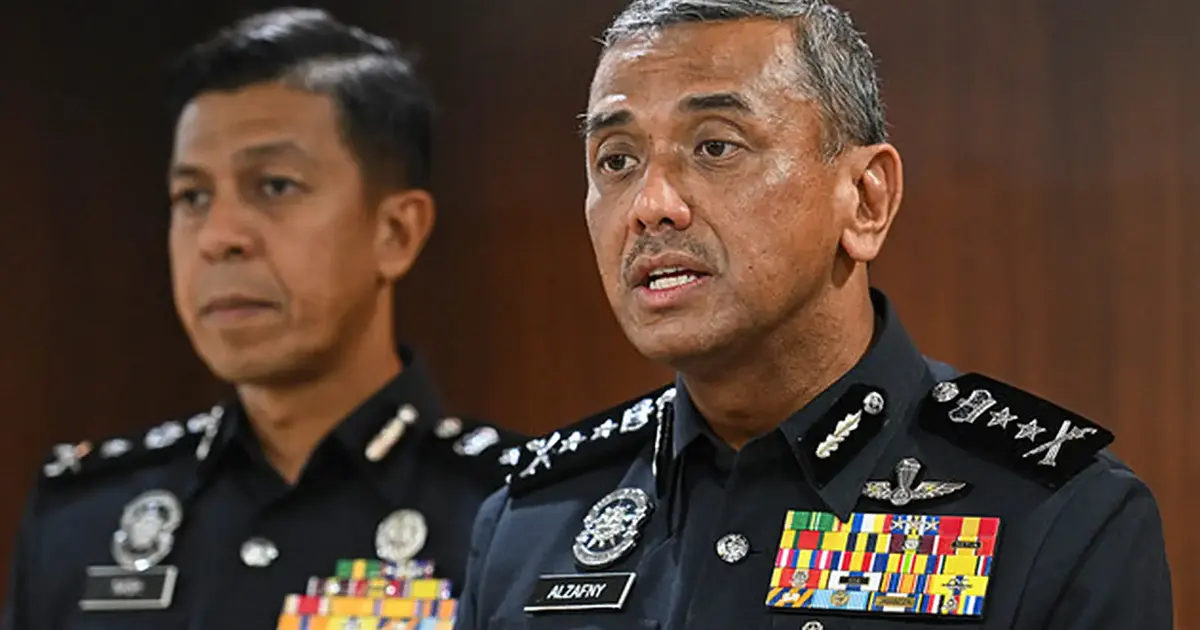
A man has been arrested in Negeri Sembilan following allegations that he posted insulting content about the state's royal family on social media, according to Negeri Sembilan police chief Alzafny Ahmad. The arrest marks another instance of authorities taking action against online posts deemed disrespectful towards Malaysia's monarchy, an issue that has drawn increasing attention as digital communication becomes more prevalent across the nation.
The arrested individual's mobile phone was confiscated as part of the investigation, a standard procedure in such cases that allows investigators to examine digital evidence and trace the origins of the alleged post. This seizure is critical to establishing the authenticity of the content and determining whether criminal charges should be filed under relevant legislation.
Cases involving allegedly insulting remarks directed at Malaysia's royal institutions have become more common in recent years, reflecting broader tensions between digital freedom of expression and established protocols regarding respect for the monarchy. The Malaysian legal framework contains several provisions that protect the dignity of the Yang di-Pertuan Agong and state rulers, with violations potentially carrying significant penalties.
Negeri Sembilan, one of Malaysia's federally administered territories with its own constitutional monarchy structure, takes such matters seriously as part of maintaining institutional respect. The state's police force has demonstrated a consistent approach to investigating complaints related to royal dignity, prioritising swift action when allegations surface.
The seizure of electronic devices in such investigations allows forensic analysis to determine the post's exact content, timing, and distribution patterns. Digital evidence can reveal whether the post was widely shared, screenshot and forwarded, or whether it remained visible on a limited network. These details often influence the severity of charges and subsequent legal proceedings.
Malaysia's approach to protecting royal institutions through criminal law reflects the country's constitutional framework, which grants special status to the monarchy as integral to national sovereignty and identity. However, this legal approach has occasionally sparked debates among civil society organisations regarding the balance between institutional protection and individual freedoms of expression.
The investigation's progression will likely follow established protocols, including interviews with the suspect, examination of the confiscated device, and consultation with the Attorney General's Chambers regarding appropriate charges. Depending on the nature and extent of the alleged insulting content, various laws could potentially apply, ranging from provisions in the Penal Code to offences under the Communications and Multimedia Act.
For residents and social media users throughout Malaysia and the Southeast Asian region, this arrest serves as a reminder of the legal consequences that can follow online posts about sensitive national institutions. Digital literacy and awareness of local laws have become increasingly important as platforms like Facebook, Twitter, and Instagram facilitate rapid content sharing across borders.
The case reflects a broader regional pattern, as several Southeast Asian nations maintain laws protecting royal institutions and national symbols. Understanding these legal frameworks is essential for Malaysian citizens, expatriates, and international observers engaging with local digital spaces.
As investigations continue, the Negeri Sembilan police will likely release further details regarding the specific allegations and the evidence gathered. The outcome of this case may influence public discourse around online responsibility and the boundaries of acceptable expression in Malaysia's digital public sphere. Such cases often generate discussion about how societies balance protecting revered institutions with safeguarding freedom of expression in an increasingly connected world.

