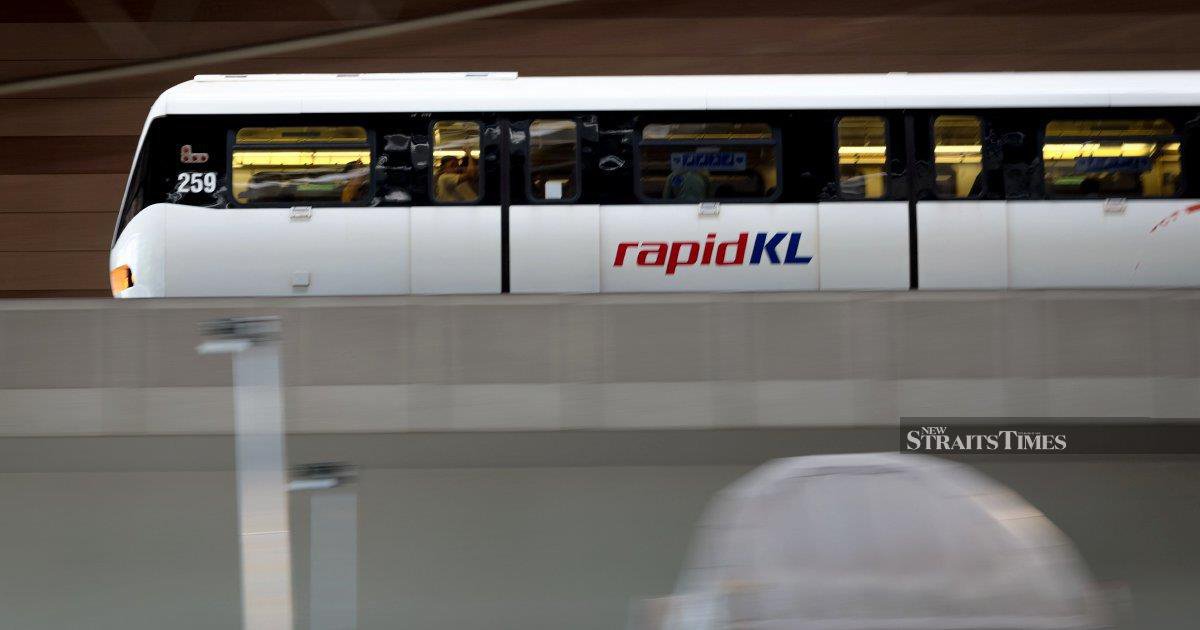
A man faced arrest after wandering onto the active railway tracks at Jalan Meru Station in the early morning hours, disrupting commuter travel along Rapid KL's Shah Alam Line. The incident highlights the persistent safety challenges facing the Klang Valley's expanding public transport network, where track intrusions continue to pose operational hazards and commuter inconvenience despite ongoing safety awareness campaigns.
The unauthorized entry onto the rails forced Rapid KL to halt services on the Shah Alam Line while authorities dealt with the trespasser and assessed the track for any damage or safety concerns. Such disruptions, though often resolved quickly, ripple through the morning commute for thousands of users who depend on the light rail system to reach offices and institutions across the metropolitan area. The incident underscores how a single individual's actions can affect the movement of tens of thousands of people across Selangor and Kuala Lumpur.
Railway trespassing incidents, whether intentional or unintentional, represent a significant occupational hazard for transit operators. Rapid KL and other transport authorities have invested considerable resources in physical barriers, signage, and public messaging to prevent track access. Yet determined or confused individuals continue to breach security perimeters, creating situations that demand emergency response protocols and service interruptions. The Shah Alam Line, which connects suburban Petaling Jaya to Shah Alam, processes heavy passenger volumes during peak hours, making any operational disruption particularly consequential.
For commuters already accustomed to occasional delays and service suspensions, such incidents inject additional unpredictability into already-complicated journeys. Workers relying on the light rail system to make early appointments, students requiring timely arrival at schools and universities, and service sector employees whose shifts begin at fixed hours all face cascading difficulties when unexpected track closures occur. The psychological toll of frequent disruptions, however brief, gradually erodes confidence in public transport reliability.
The circumstances surrounding this particular case remain limited in official disclosure. Whether the individual accessed the tracks accidentally, due to inadequate barriers, or deliberately, would inform understanding of systemic vulnerabilities. Rapid KL and the broader Malaysian rail infrastructure sector periodically face scrutiny regarding barrier effectiveness, especially at stations serving high-traffic corridors like those in the Klang Valley. Investment in platform screen doors, reinforced fencing, and improved station design represents ongoing efforts to minimize human-track interface risks.
Investigations into trespassing incidents often reveal patterns concerning safety culture among transit users. Some individuals underestimate the dangers of active railway tracks, while others disregard warnings entirely. The operating speeds and mass of light rail vehicles mean that anyone struck by a moving train faces catastrophic injury or death, yet public awareness of these hazards appears incomplete. Education campaigns targeting schoolchildren, migrant workers, and occasional transit users could potentially reduce preventable incidents.
From an operational perspective, every track closure necessitates rapid response coordination between station staff, control centers, security personnel, and police authorities. These protocols, while well-practiced, remain resource-intensive and disruptive. The incident at Jalan Meru Station required authorities to respond, assess the situation, ensure the individual's custody, and verify track safety before resuming normal service. Such procedures, though necessary, compound the disruption beyond the simple fact of the trespassing itself.
The Shah Alam Line, which has operated for more than two decades, remains integral to regional mobility patterns despite occasional operational challenges. Rapid KL continues expanding and maintaining the line to accommodate growing passenger demand and respond to commuter expectations for frequency and reliability. Incidents like today's unauthorized track access, multiplied across dozens of stations and numerous daily movements, collectively impact service quality metrics and user satisfaction.
Looking forward, transit authorities across Malaysia increasingly recognize that preventing railway trespassing requires multi-layered approaches combining physical infrastructure improvements, enforcement actions, public education, and risk assessment at particularly vulnerable locations. The arrest of this individual serves as a reminder that trespassing carries legal consequences alongside its operational and safety dimensions. Rapid KL's response demonstrates the security apparatus designed to protect both infrastructure and public safety, though the fundamental challenge of preventing human intrusion into active transit zones persists across urban rail systems globally.

