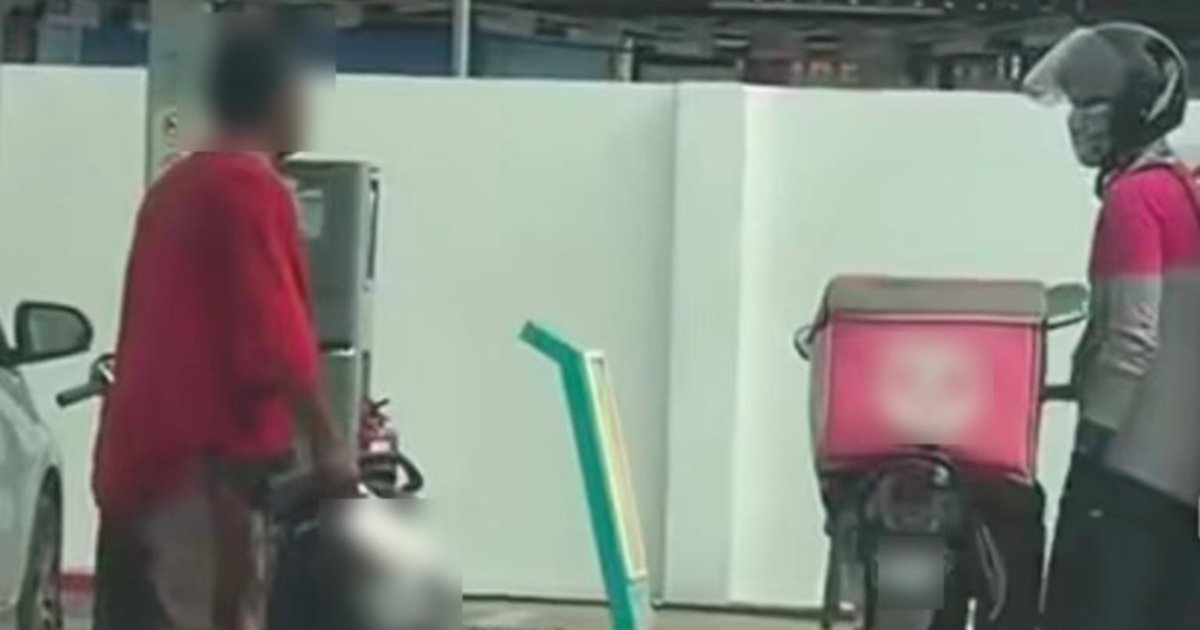
Authorities in Kuala Terengganu have apprehended a man suspected of threatening a ride-hailing driver with a meat cleaver during an aggressive confrontation at a petrol station on Jalan Pasir Panjang. The incident unfolded in the afternoon, drawing swift police intervention to what could have escalated into serious violence in what is typically a public-facing commercial establishment.
The arrest highlights recurring concerns about safety risks faced by gig economy workers across Malaysia, particularly those engaged in ride-hailing services. Platform-based drivers operate in an inherently exposed environment, frequently encountering unfamiliar passengers and navigating potentially volatile situations without consistent workplace protections or protocols. Unlike conventional taxi operators or corporate employees, many ride-hailing workers lack institutional support systems and de-escalation training that might mitigate such dangerous encounters.
Incidents involving weapons at public venues such as petrol stations raise broader questions about security measures in commercial spaces frequented by large numbers of civilians daily. Petrol stations serve as informal social hubs across Malaysian towns, operating extended hours and attracting diverse customer bases. The presence of weapons, whether concealed or brandished openly, introduces significant risk to both workers and customers who expect to conduct routine transactions safely.
The Jalan Pasir Panjang location in Kuala Terengganu is a commercial corridor that sees substantial foot traffic and vehicular movement. Police response protocols in this area must balance rapid intervention with public safety considerations, particularly when weapons are involved. The swift arrest suggests that law enforcement monitored the situation effectively and took appropriate action to neutralize the immediate threat.
Aggressive behaviour coupled with weapon display represents a serious criminal concern under Malaysian law. Threatening conduct with bladed implements can be prosecuted under multiple statutes, and the deliberate act of wielding such an object suggests premeditation rather than spontaneous conflict. Investigators will likely examine whether this incident stemmed from personal animosity, a dispute over payment or service issues, or other underlying tensions that precipitated the confrontation.
Ride-hailing platforms operating across Malaysia have increasingly grappled with security incidents involving their driver partners. Many services have introduced in-app safety features, emergency contact systems, and rider rating mechanisms designed to discourage aggressive behaviour. However, these technological safeguards remain incomplete without complementary ground-level support, incident reporting infrastructure, and rapid police responsiveness when threats materialize.
The weaponization of everyday tools represents a particular concern in Malaysia's urban and semi-urban settings. Meat cleavers, while legitimate kitchen implements, become instruments of threat when deployed in confrontational contexts. The gap between legitimate possession and criminal misuse requires law enforcement to examine circumstances surrounding their deployment and the intent underlying their display.
Ride-hailing workers and petrol station staff occupy surprisingly vulnerable occupational positions within Malaysia's service economy. Unlike security personnel or law enforcement, these workers receive minimal training in conflict management and possess no protective equipment. Their vulnerability extends beyond individual incidents; systematic patterns of harassment or threat can accumulate, creating psychological burden and operational risk that employers and regulatory authorities have inadequately addressed.
The afternoon timing of this incident suggests it occurred during busy hours when the petrol station likely contained numerous customers and workers. The public nature of the location means multiple witnesses may have observed the threatening conduct, potentially assisting police investigation and corroborating accounts. Community safety depends partly on such eyewitness cooperation, which law enforcement must actively encourage through victim protection measures and public confidence in investigative fairness.
This arrest in Kuala Terengganu occurs within a broader national context where public safety concerns increasingly influence consumer choices around service utilization. Both ride-hailing users and service workers contemplate safety implications before engaging in transactions, particularly during vulnerable hours or in less-populated areas. Incidents involving weapons and aggression reinforce existing anxieties and underscore the necessity for stakeholder collaboration—encompassing platform operators, law enforcement, workplace regulators, and community organizations—to establish comprehensive safety frameworks.
Police investigations will determine applicable charges and examine circumstances that provoked the confrontation. Whether this represented an isolated incident or part of a pattern of concerning behaviour by the arrested individual remains subject to investigative findings. The swift arrest demonstrates local police capacity to respond to weapons-related threats, yet systemic prevention requires sustained attention to underlying social and economic pressures that occasionally manifest in public violence.

