Parliament is moving to plug a significant gap in Malaysia's witness protection framework by introducing transitional financial support for participants when they leave the programme. The Witness Protection (Amendment) Bill 2026, which cleared the Dewan Rakyat on July 14, includes provisions allowing the Attorney General to grant one-time assistance packages to departing witnesses, fundamentally reshaping how the system manages the critical period between protected status and independent life. The amendment recognises that the moment a witness exits the scheme represents a period of heightened vulnerability, requiring structured support to ensure a safe and dignified transition back into society.
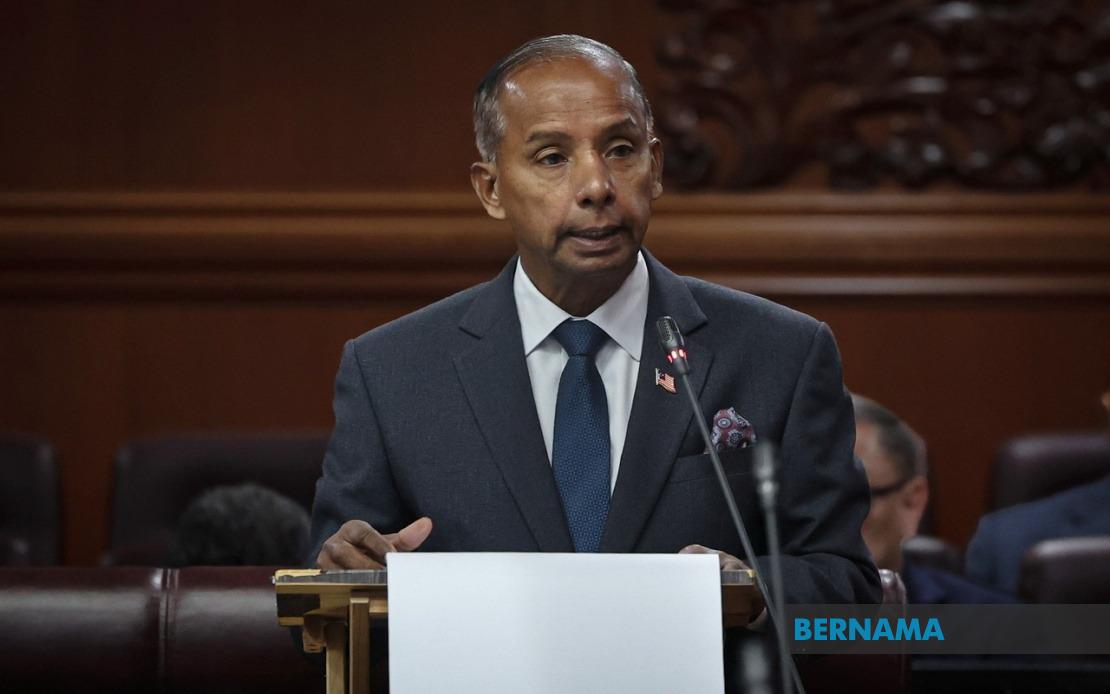
Deputy Minister in the Prime Minister's Department (Law and Institutional Reform) M. Kulasegaran explained during the Dewan Negara's second reading that the proposed assistance encompasses multiple practical needs facing witnesses as they reintegrate. The package can cover housing deposits or down payments, transportation expenses associated with relocating from the protection shelter to a new residence, and administrative costs related to transferring children to different schools. These provisions recognise that witnesses often emerge from the programme with limited financial resources and disrupted family circumstances, facing landlords and institutions that may require upfront payments before they can access basic services. By bundling these essentials into a single exit package, the amendment acknowledges that piecemeal assistance fails to address the interconnected challenges of rebuilding a life from scratch.
The current framework, anchored in the Witness Protection Act 2009, has long been criticised for ending support abruptly once the Attorney General determines protection is no longer necessary. Under existing law, the state provides comprehensive protection and assistance while a witness remains in the programme—securing safe accommodation, managing identity changes, and ensuring operational security. However, this support apparatus collapses the moment the Attorney General's termination order takes effect, leaving individuals without any formal mechanism to bridge the gap between sheltered existence and autonomous living. This structural flaw has raised concerns that witnesses, despite having fulfilled their civic duty by testifying in serious criminal and corruption cases, face unnecessary hardship precisely when their vulnerability may persist due to lingering security concerns or social stigma associated with their cooperation with authorities.
The amendment bill encompasses broader reforms designed to strengthen the entire witness protection apparatus. Beyond exit assistance, the legislation expands the powers of the Protection Division's director-general, granting them greater discretion to provide protection and assistance measures deemed necessary and reasonable for individual participants. This flexibility recognises that witness protection cannot operate according to rigid templates; circumstances vary dramatically depending on the nature of crimes involved, the criminal networks implicated, the witnesses' personal circumstances, and the duration of protection required. By codifying this discretionary authority in law, the amendment creates clearer accountability while allowing operational staff to respond rapidly to emerging threats or unexpected complications without waiting for bureaucratic approvals.
The timing of this legislative initiative reflects growing recognition within government that comprehensive witness protection represents a cornerstone of effective criminal and anti-corruption enforcement. Serious crimes, organised criminal activity, and high-profile corruption cases depend critically on witness testimony; yet individuals willing to provide evidence face genuine risks from defendants, their associates, and organised criminal networks seeking to silence or intimidate potential witnesses. Malaysia's experience across numerous major trials has demonstrated that without robust protection—extending throughout prosecution and extending thoughtfully into the exit phase—potential witnesses remain deterred from coming forward. Prosecutors struggle to build compelling cases against powerful defendants when witnesses lack confidence that the state will shield them from retaliation throughout the process and beyond.
The amendment also reflects international best practice in witness protection regimes. Established programmes in common-law jurisdictions, particularly in the United Kingdom, Australia, and Canada, routinely provide transitional support packages acknowledging that programme exit represents a distinct phase requiring structured assistance. These international models have evolved over decades of experience managing thousands of witness transitions; their consistent inclusion of exit support mechanisms signals strong evidence that such assistance enhances both witness safety and social reintegration success. Malaysia's adoption of this approach positions the country among nations serious about protecting those who cooperate with justice systems, potentially enhancing the country's attractiveness as a location for international investigations involving serious transnational crime.
Crucially, M. Kulasegaran emphasised that exit assistance constitutes a one-time intervention rather than ongoing welfare provision. This distinction matters significantly for programme sustainability and for public perception of witness protection spending. The legislation does not create indefinite financial obligations or permanent support relationships; instead, it provides targeted assistance during the defined transition period when witnesses move from sheltered accommodation to independent circumstances. This approach balances the state's obligation to those who have taken risks by testifying against concerns that unlimited assistance might discourage genuine reintegration into normal society or create perverse incentives for witnesses to remain dependent on programme support.
The practical components of the assistance package—housing costs, relocation expenses, and school transfers—address the most immediate and verifiable needs witnesses face upon exit. Housing costs often represent the single largest expense barrier, particularly when witnesses must move to unfamiliar locations where their past is unknown and where prosecution witnesses are safer from potential retaliation. Relocation moving costs acknowledge the reality that witnesses cannot simply load their belongings and travel to a new residence; professional moving services, whether required for security reasons or logistical complexity, impose significant expenses. School transfer costs recognise that many witnesses have families, and children's education cannot be interrupted; facilitating smooth transfers to new schools removes a significant obstacle to family stability during transition.
The amendment's passage through the Dewan Rakyat on July 14 proceeded smoothly, with all six clauses of the bill attracting parliamentary support. This consensus reflected broad recognition across political lines that witness protection strengthens the rule of law and effective criminal prosecution. The subsequent Dewan Negara proceedings, where M. Kulasegaran presented the government's rationale, have continued this collaborative approach. Such political consensus around witness protection legislation is particularly significant given Malaysia's historical challenges in combating organised crime, corruption, and serious criminal activity; strengthening the institutional capacity to protect witnesses directly strengthens the state's ability to prosecute complex cases requiring insider testimony.
Looking forward, the amendment represents just one component of Malaysia's broader effort to modernise its criminal justice system and strengthen protections for those who participate in judicial processes. The expansion of the director-general's authority suggests that future refinements may become possible without requiring further legislation, allowing the Protection Division to adapt practices as operational experience accumulates. The emphasis on exit support acknowledges that meaningful witness protection cannot end when legal proceedings conclude; it must extend through the critical reintegration phase when witnesses rebuild lives outside the programme's protective framework.

