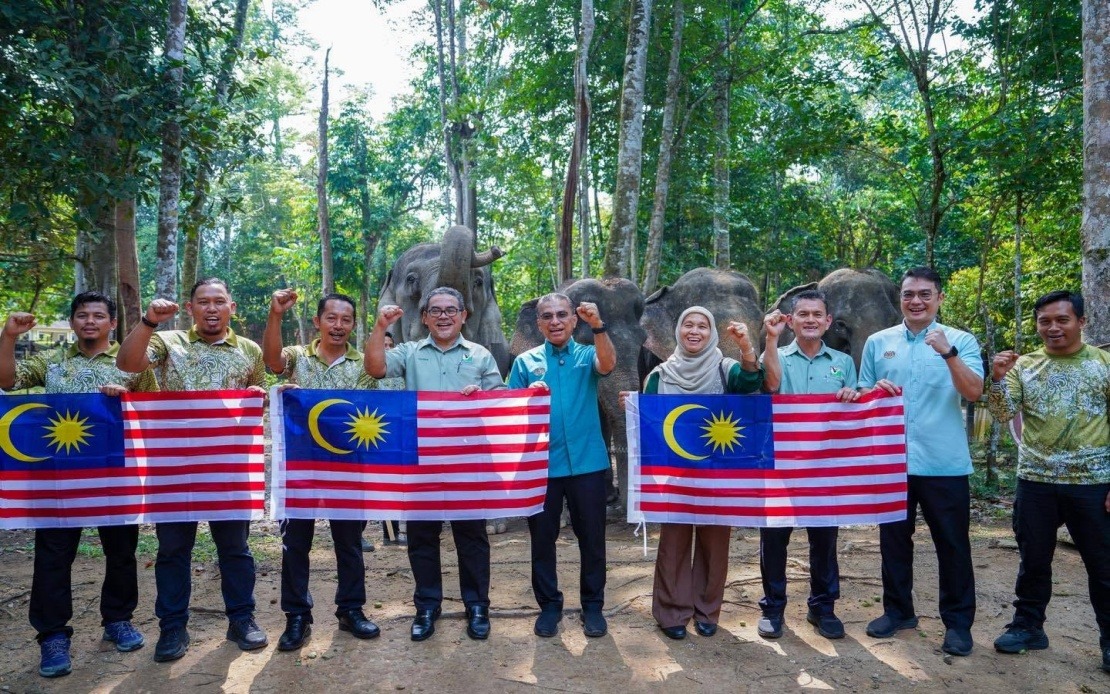
The Ministry of Natural Resources and Environmental Sustainability has prioritised developing fresh strategies to address the mounting frequency of human-wildlife conflicts, a challenge that increasingly demands innovative solutions across the country. Speaking in Tangkak on Aug 28, Deputy Minister Syed Ibrahim Syed Noh emphasised the gravity of the situation, noting that the Department of Wildlife and National Parks (Perhilitan) faces substantial pressure to prevent wild animals—particularly elephants—from coming into dangerous contact with human populations. The escalating nature of these incidents reflects broader environmental pressures affecting Malaysia's wildlife corridors and the delicate balance between conservation and human settlement expansion.
The underlying driver of these conflicts extends beyond simple animal behaviour. Rapid development across Malaysia has fundamentally altered the landscape that wildlife species depend on for survival. As new settlements, agricultural projects, and infrastructure developments consume previously forested areas, elephants and other animals lose critical habitat corridors and food sources. This geographical squeeze forces wildlife into closer proximity with human communities, creating the dangerous situations that increasingly dominate news reports and generate conflict between conservation advocates and residents concerned for their safety. The ministry recognises that addressing this crisis requires moving beyond reactive management—such as relocating individual animals—toward comprehensive, proactive planning that accommodates both human development needs and wildlife preservation.
Perhilitan's approach reflects a sophisticated understanding of elephant behaviour and ecology. Rather than constraining relocated animals through confinement, the department allows elephants to roam while maintaining continuous surveillance, acknowledging that these intelligent mammals possess unique behavioural characteristics that make forced restriction counterproductive. This philosophy emerged clearly in the case of Sulong Chalil, an adult male elephant that captured public attention after undertaking a remarkable journey of hundreds of kilometres back to its original habitat in Gua Musang, Kelantan, following relocation to a forested area in Gerik, Perak. The elephant's determined return demonstrated that species-appropriate management requires respecting animal psychology and natural instincts rather than imposing human constraints. Deputy Minister Syed Ibrahim acknowledged this reality, noting that continuous monitoring—rather than forced control—offers a more sustainable path forward while ensuring the animal's eventual safe return to its natural habitat.
The collaborative approach now being pursued signals a shift toward institutional coordination on this complex challenge. The ministry, through Perhilitan, is actively consulting with multiple stakeholders to study and formulate comprehensive solutions designed to meaningfully reduce conflict incidents. This multi-party engagement recognises that wildlife management cannot exist in isolation from broader land-use planning, agricultural policy, and rural development strategies. The involvement of various government agencies and presumably conservation organisations suggests that solutions will likely span habitat corridor protection, early warning systems, community education programmes, and modifications to settlement and agricultural practices near wildlife areas. For Malaysian residents in conflict-prone regions, this coordinated approach offers hope that future encounters with wild animals might become less frequent and less dangerous through preventive measures rather than after-the-fact crisis management.
The human dimension of these conflicts deserves particular attention when evaluating potential solutions. Communities living adjacent to wildlife habitats face genuine safety risks and economic pressures when elephants and other animals damage crops or pose threats to people and livestock. Any sustainable strategy must address these legitimate concerns while maintaining viable populations of endangered species like the Asian elephant. This requires balancing competing interests—something that cannot be achieved through simple relocation programmes or reactive culling. The ministry's recognition that this represents a major challenge for Perhilitan reflects honest acknowledgment that previous approaches have not adequately resolved the underlying tensions. Moving forward will demand investment in community engagement, compensation schemes for crop losses, improved barrier systems, and possibly incentive programmes that reward landowners for maintaining wildlife-friendly practices.
The broader context of Malaysia's conservation commitments provides another layer to understanding this challenge. As a Southeast Asian nation hosting significant populations of charismatic megafauna, Malaysia has international obligations and regional leadership responsibilities regarding wildlife protection. The Asian elephant, increasingly restricted to isolated populations in peninsular Malaysia and Sabah, faces existential threats from habitat loss and human conflict. High-profile cases like Sulong Chalil generate international attention and scrutiny regarding Malaysia's commitment to conservation. The ministry's public commitment to developing new methodologies signals awareness that traditional approaches require modernisation and that stakeholder expectations—both domestically and internationally—demand demonstrable progress on this issue.
Technological and scientific advancement offers promising avenues for reducing conflicts. Improved monitoring systems using GPS collars and satellite imagery could provide early warning of elephant movements toward human areas, allowing preemptive action. Acoustic deterrents, modified agricultural practices, and habitat restoration in key corridors represent evidence-based interventions that other nations have implemented with varying success. Malaysia's research institutions could contribute significantly by documenting elephant behaviour patterns, identifying critical habitat requirements, and testing intervention strategies. The formulation process now underway provides an opportunity to integrate such scientific insights with practical implementation on the ground, ensuring that proposed solutions rest on solid evidence rather than assumptions.
For Malaysian farmers and rural communities, the personal stakes in this issue remain extremely high. Encounters with wild elephants can result in death, serious injury, or substantial economic loss through crop destruction. These impacts fall disproportionately on relatively poor rural populations who lack the resources to absorb such losses or relocate. Any comprehensive strategy must include support mechanisms that protect these communities' livelihoods while reducing their need to resort to dangerous retaliatory measures against wildlife. This might involve crop insurance schemes, investment in protective infrastructure, or compensation programmes funded at the federal level. Without addressing the economic security of affected communities, even well-intentioned conservation efforts risk generating resentment and undermining long-term support for wildlife protection initiatives.
Looking forward, the success of Malaysia's new approach will depend on sustained political commitment and adequate resource allocation. Developing effective strategies requires long-term research, community engagement programmes, habitat restoration projects, and monitoring systems—all of which demand significant investment. The Deputy Minister's public statements suggest high-level political engagement with the issue, which could facilitate the budgetary support and inter-agency cooperation necessary for meaningful progress. However, translating commitment into tangible improvements in conflict reduction will require moving beyond studies and formulations into decisive implementation. Communities experiencing human-wildlife conflicts require visible, measurable results that demonstrate government responsiveness to their concerns while maintaining viable wildlife populations.

