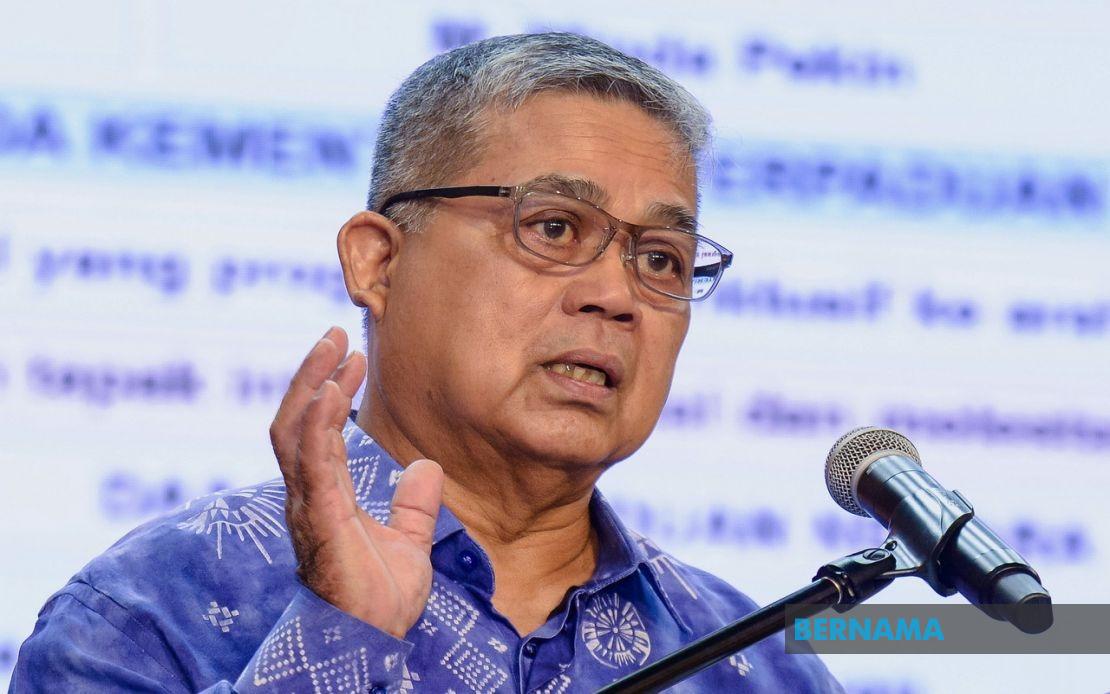
Malaysia's National Unity Ministry has set an ambitious target to train and certify 1,280 community mediators by 2030, reflecting a strategic push to embed professional conflict resolution capabilities across Malaysian communities. Minister Datuk Aaron Ago Dagang announced this initiative as part of a broader effort to transform how ordinary Malaysians address disputes, moving away from adversarial court proceedings toward negotiated settlements built on mutual understanding and respect.
The mediation framework aligns with priorities outlined in the 13th Malaysia Plan, which emphasises that social unity requires functioning mechanisms for inclusive and sustainable conflict management. Rather than treating dispute resolution as an exclusively legal domain, the ministry recognises that communities benefit when trained mediators help parties find common ground through structured dialogue. This philosophy reflects a shift in governance toward community-centred approaches to social cohesion.
Mediation services offered through the ministry's network operate on a pro bono model, removing financial barriers that might otherwise prevent ordinary Malaysians from accessing professional dispute resolution. The free service is particularly significant in a country with diverse communities and complex social landscapes, where conflicts over land, tenancy, neighbourhood conduct, and commercial dealings frequently arise. By offering cost-free mediation, the ministry acknowledges that formal litigation often remains inaccessible to lower-income households and small business operators.
Aaron emphasised that mediation delivers multiple advantages beyond convenience and affordability. The process typically resolves disputes faster than court cases, which can stretch across years. Equally important, negotiated settlements preserve relationships between disputing parties—a consideration that carries weight in tight-knit residential communities where ongoing coexistence remains necessary after resolution. This relational dimension distinguishes mediation from adversarial litigation, where winners and losers often emerge with damaged relationships.
To operationalise this vision, the ministry plans to establish twelve new community mediation centres across Malaysia by 2027. The geographical distribution of these facilities reveals a deliberate strategy to ensure accessibility. Planned locations span Sabah with a centre in Kota Kinabalu, Kuala Lumpur in the federal territories, and sites across Johor, Terengganu, Selangor, Kedah, Pahang, Kelantan, Labuan, Sarawak, Perak, and Melaka. Rather than concentrating services in major urban areas, the ministry is establishing centres in secondary towns and neighbourhood hubs, demonstrating commitment to reaching communities often overlooked by centralised services.
The choice of venues—which include neighbourhood associations known as Rukun Tetangga centres, community activity centres, and public housing complexes—reflects practical thinking about where Malaysians already gather and conduct local affairs. These settings possess existing community infrastructure, reducing implementation barriers and leveraging spaces with which residents are already familiar. By embedding mediation services within neighbourhood structures, the ministry increases the likelihood that community members will actually utilise these resources when disputes arise.
Expanding the pool of certified mediators represents the complementary element of this strategy. Training 1,280 individuals by 2030 requires establishing robust certification programmes that equip mediators with skills in active listening, impartiality, and structured negotiation. These professionals must understand the cultural contexts in which they operate and recognise that effective mediation in Malaysia requires sensitivity to diverse religious perspectives, business customs, and social hierarchies. The scale of this training effort will require partnerships with universities, professional associations, and perhaps international mediation organisations.
The initiative carries particular relevance for Malaysia's development trajectory outlined in the Malaysia MADANI framework, which emphasises building a harmonious, united, and prosperous society. Unresolved disputes fragment communities, divert resources toward litigation, and leave lingering resentment that undermines social cohesion. By contrast, successful mediation generates positive outcomes that strengthen interpersonal trust and demonstrate government responsiveness to community needs. These intangible benefits compound over time, creating social capital that supports broader development objectives.
For Malaysian businesses and entrepreneurs, expanded mediation capacity addresses a practical gap. Commercial disputes frequently involve small and medium enterprises lacking resources for protracted legal battles. Ready access to professional mediators at neighbourhood level could resolve contract disagreements, partnership conflicts, and payment disputes more efficiently than formal arbitration or court proceedings. This cost reduction and speed advantage might encourage broader participation in formal economic activity.
The ministry's emphasis on strategic collaboration with local authorities signals recognition that mediation services cannot function in isolation. Municipal councils, village headmen, and district administrative offices all encounter community grievances and could serve as referral sources to mediation centres. Formalising these partnerships ensures that disputes brought to local officials get channelled toward appropriate resolution mechanisms rather than festering unaddressed.
Regional implications also merit consideration. As Southeast Asian countries grapple with urbanisation, demographic diversity, and social fragmentation, Malaysia's experience with community mediation networks could offer lessons for neighbours. A functioning, accessible mediation infrastructure might also enhance Malaysia's capacity to engage in regional dispute resolution, positioning the country as a convener and mediator in broader ASEAN contexts.
Implementing this vision requires sustained funding, consistent political support across electoral cycles, and genuine buy-in from communities themselves. Success will ultimately depend not merely on establishing physical centres and certifying mediators, but on cultural shifts that encourage Malaysians to view mediation as a legitimate and preferable alternative to litigation. The ministry's timeline stretching to 2030 acknowledges that building such institutional and cultural change requires patience and persistence.

