Malaysia's commitment to national unity is yielding measurable results, with the latest National Unity Index revealing that Malaysians are becoming progressively more united across key indicators of social harmony and institutional trust. The 2025 study, formally known as IPNas, registered a unity score of 0.701—classified as moderately high—demonstrating that the country has successfully exceeded benchmarks set under the 12th Malaysia Plan and reflects genuine advancement in binding the nation's diverse population together.
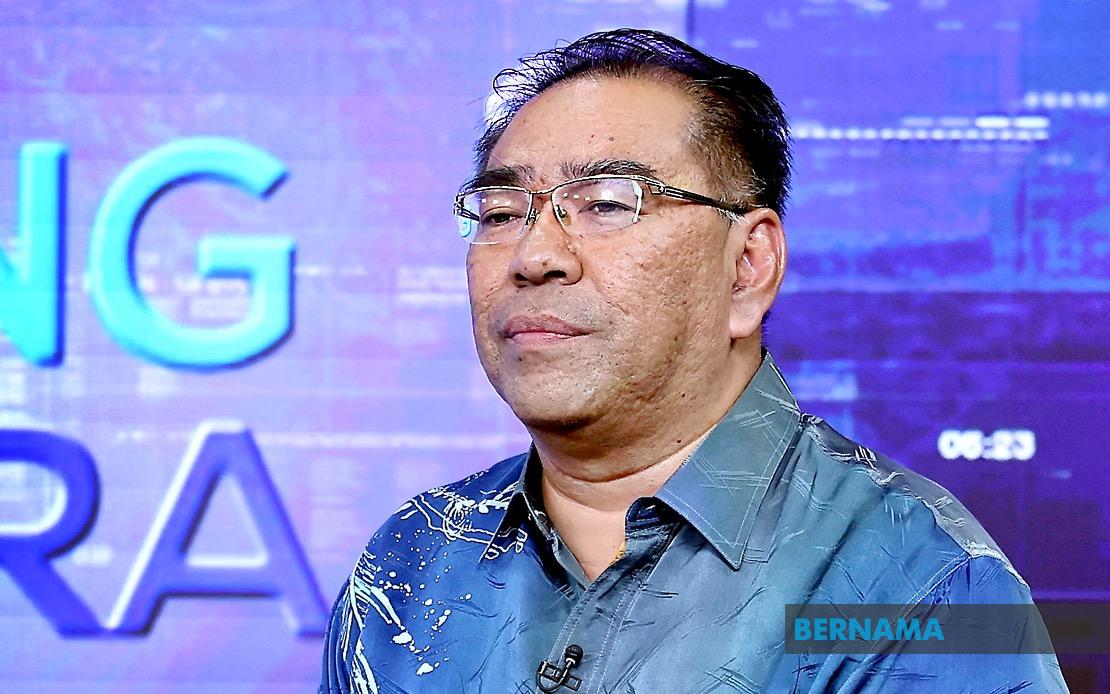
The trajectory of unity has been particularly encouraging when viewed across a longer timeline. Zulkifli Hashim, director-general of the National Unity and Integration Department (JPNIN), emphasized during the closure of the Perlis-level Jelajah Belia Rukun Negara programme at UiTM Perlis that the index has climbed steadily from 0.567 in 2018 to 0.629 in 2022 and now to the current 0.701 figure. This progressive improvement, spanning seven years, indicates that deliberate policy interventions and community engagement initiatives by government agencies are bearing tangible fruit in strengthening the social fabric.
Understanding what these numbers represent requires recognising the complexity of measuring something as multifaceted as national unity. The index appears to capture sentiment around shared identity, confidence in public institutions, and perceptions of social harmony across Malaysia's varied demographic landscape. For a multicultural, multi-religious nation with significant historical tensions and periodic communal friction, maintaining a trajectory of improvement in unity metrics represents a genuine policy achievement that merits scrutiny and sustained attention.
However, JPNIN leadership has counselled against complacency, stressing that unity cannot be left to chance or assumed to persist without active cultivation. The department's framing suggests that each generation bears responsibility for preserving and strengthening the bonds that hold Malaysia together, with the implication that without continuous effort, gains made could potentially erode. This perspective acknowledges the fragility of social cohesion in diverse societies and positions unity as an ongoing project rather than a destination.
The digital environment presents both unprecedented opportunities and significant risks to national unity. Social media platforms have emerged as powerful tools for both connection and division, a reality that government officials recognise with particular urgency. Zulkifli noted that while digital channels can amplify messages of togetherness and mutual respect, they equally serve as conduits for misinformation, inflammatory speech, and divisive rhetoric capable of undermining the very harmony the index purports to measure. This duality reflects global trends where information ecosystems have become contested terrain in struggles over national identity and social cohesion.
University students occupy a strategic position in this landscape, functioning as both consumers and producers of digital content during formative years when their civic attitudes crystallise. The call for critical thinking, maturity, and responsibility in evaluating and sharing information positions higher education institutions as frontline defences against the weaponisation of social media. By cultivating informed digital citizenship among students, universities can theoretically strengthen immunity against divisive content while simultaneously amplifying pro-unity messaging among demographics most active in online spaces.
For Malaysia specifically, this emphasis on youth responsibility carries additional weight. Younger Malaysians have grown up entirely within the digital age and will inherit governance of a nation that is simultaneously becoming more integrated globally and potentially more fractionalised along identity lines if online spaces are left ungoverned. The expectation that this generation will counter misinformation and actively promote unity through their own digital practices represents a significant cultural shift in how national cohesion is maintained.
The timing of the IPNas 2025 findings assumes particular relevance within Malaysia's broader political and social context. The country has navigated significant political transitions in recent years, including multiple changes in government and adjustments to constitutional arrangements. Against this backdrop of political fluidity, the maintenance and improvement of underlying unity metrics suggests that Malaysians maintain confidence in their institutions and shared national identity even when political leadership shifts. This institutional durability offers reassurance to both domestic and international observers.
Regionally, Malaysia's unity metrics deserve attention from neighbouring countries facing similar challenges of managing diverse populations and digital information environments. The demonstrated capacity to improve unity scores across a seven-year period offers potential insights for policymakers in Indonesia, Thailand, and the Philippines as they grapple with their own communal tensions and information ecosystem fragmentation. Whether Malaysia's approach can be adapted or transplanted remains an open question, but the country's experience provides a valuable comparative case study.
Moving forward, maintaining the upward trend in the unity index will require sustained investment in both traditional institution-building and digital-age competency. The government's framing of unity as a generational responsibility rather than a policy outcome suggests recognition that cultural shifts take time and require buy-in from multiple sectors of society. Educational institutions, civil society organisations, religious leaders, and media entities all bear some responsibility for either strengthening or undermining the sense of collective purpose that the index attempts to measure.
The challenge ahead involves deepening the mechanisms through which unity is measured and reported. A score of 0.701 provides directional guidance but obscures questions about which demographic groups drive improvements, which regions show stronger or weaker unity sentiment, and which specific policy interventions correlate most strongly with positive movement. Greater transparency in the methodology and disaggregated findings could enhance public understanding of where Malaysia's unity is strongest and where additional effort is required.
Ultimately, the IPNas 2025 findings offer grounds for cautious optimism. Malaysia has moved the needle on unity in measurable ways, and maintaining this trajectory serves the nation's long-term stability and prosperity. However, the work of building and sustaining unity remains perpetual, demanding continued vigilance about the forces—digital, political, and social—that can drive wedges between communities. The responsibility now falls to all segments of Malaysian society to ensure that the positive trend captured in the index continues into subsequent measurements.

