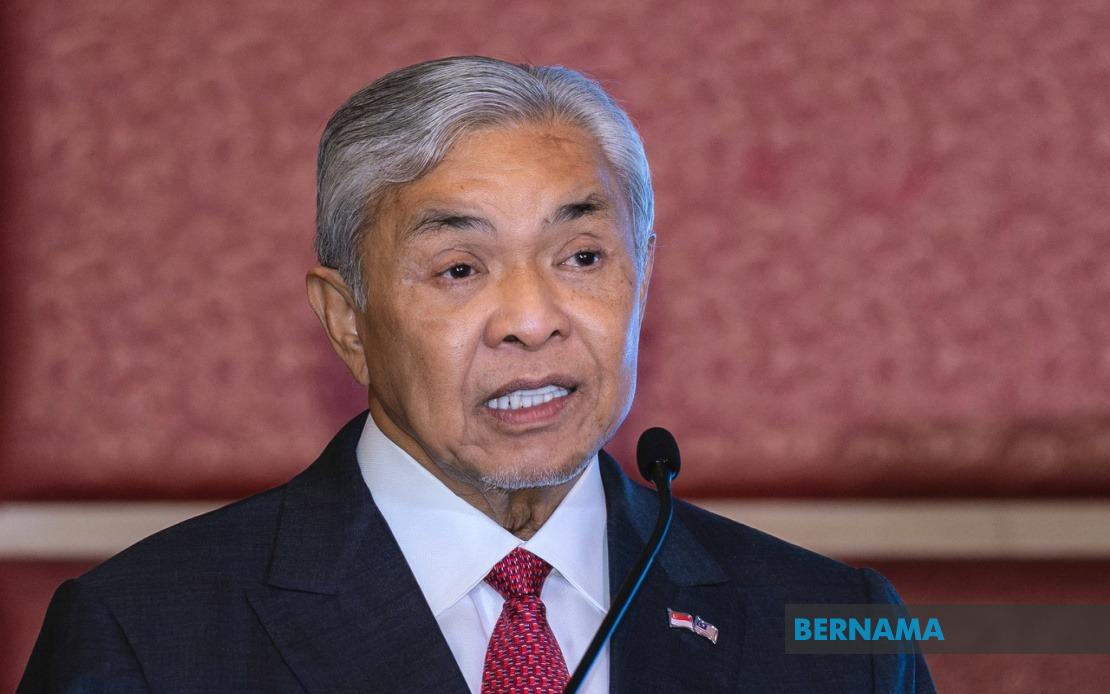
Malaysia's approach to technical and vocational education is increasingly emphasising real-world job readiness, with the government now asserting that graduates from TVET institutions achieve near-universal employment through coordinated engagement between training providers and industry. Deputy Prime Minister Datuk Seri Dr Ahmad Zahid Hamidi outlined this strategy during remarks to Malaysia's contingent preparing for the WorldSkills Shanghai 2026 competition, positioning the country's vocational education system as a solution to longstanding gaps between academic training and workplace demands.
The foundation of this employment guarantee rests on a deliberate shift toward curriculum alignment before courses even begin. By consulting extensively with companies and industry stakeholders during the course design phase, TVET institutions can tailor their programmes to reflect genuine labour market requirements rather than offering outdated or irrelevant qualifications. Ahmad Zahid, who holds the additional portfolios of Rural and Regional Development Minister and chairs the National TVET Council, emphasised that this proactive coordination eliminates several persistent problems that have historically plagued vocational graduates: skills mismatches, wage expectations disconnected from market reality, and the anxiety of entering the job market without secured employment.
The headline claim that TVET graduates achieve 100 per cent employability reflects an ambitious restructuring of Malaysia's technical education pipeline. Under this system, recruiters and employers begin identifying and engaging with suitable candidates well before they complete their qualifications, effectively converting the final months of study into a transition period rather than an uncertain job hunt. This arrangement benefits students by reducing financial stress and allowing them to graduate with confirmed positions, while simultaneously giving employers direct influence over the skills their new hires will possess.
To further strengthen graduate competitiveness, the government is prioritising the expansion of High TVET courses—advanced qualifications designed to equip workers with capabilities that exceed standard entry-level expectations. These programmes represent an acknowledgment that Malaysia's economy increasingly demands technical specialists rather than simply general labourers, positioning the nation to compete in higher-value manufacturing, technology, and services sectors. The elevation of vocational training beyond its traditional low-status perception could reshape how Malaysian students and families view career pathways.
The timing of these announcements coincides with Malaysia's preparation for a significant international showcase of technical talent. Nine competitors from MARA TVET, Universiti Kuala Lumpur, and GIATMARA will represent the country at WorldSkills Shanghai 2026, competing across nine skill categories spanning Fashion Technology, Cyber Security, and Electronics. Ahmad Zahid used the occasion to inspire these representatives, urging them to demonstrate the mental resilience and emotional strength necessary to succeed on a global platform where they will be measured against peers from dozens of other nations.
The selection of these nine skill categories reflects Malaysia's strategic economic priorities. Cybersecurity particularly underscores growing recognition that digital security expertise is now fundamental to national competitiveness and economic resilience. Fashion Technology indicates continued confidence in Malaysia's textile and apparel manufacturing heritage, while Electronics maintains focus on the semiconductor and advanced manufacturing sectors that remain anchors of the national economy. Together, these choices suggest a government intent on directing TVET resources toward sectors offering sustainable employment and export potential.
For Southeast Asian observers, Malaysia's TVET restructuring offers a potential model for addressing a region-wide challenge: millions of young people entering labour markets without skills that employers actually need. Countries across Southeast Asia have grappled with youth unemployment and underemployment despite substantial educational investment, often because curricula lag behind industry evolution. Malaysia's emphasis on early employer consultation and curriculum co-design presents an alternative framework that other regional governments might study and adapt to their own contexts.
However, realising this vision of guaranteed employability depends on sustained commitment and resources. The system requires TVET institutions to maintain continuous dialogue with hundreds of employers across multiple sectors, updating courses regularly as technology and market demands shift. It also presumes sufficient employer willingness to participate in workforce development, which cannot be assumed in every industry or region. Rural areas and less-developed sectors may struggle to engage employers effectively, potentially creating geographic disparities in graduate outcomes.
Ahmad Zahid's emphasis on the remaining two months of preparation before the Shanghai competition reflects typical pre-competition messaging, yet it also hints at a broader strategic urgency surrounding Malaysia's technical workforce development. With the competition scheduled for late September 2026, the nine Malaysian competitors have a defined window to perfect their craft and demonstrate that the country's TVET system produces world-class technicians. Success on this stage would provide compelling international validation for the government's educational strategy and attract greater employer participation in domestic TVET partnerships.
The integration of TVET into Malaysia's economic and educational policy appears to be deepening rather than superficial. By positioning vocational training as a pathway to guaranteed employment rather than a consolation prize for students unable to access universities, policymakers are attempting to attract more talented candidates to these programmes. This reframing could help address persistent skills shortages in technical fields while simultaneously reducing pressure on Malaysia's university system and the underemployment of degree holders in non-graduate roles.
Looking forward, the success of this TVET strategy will ultimately be measured not by policy announcements but by the sustained employment and career progression of graduates in the months and years following their qualification. Whether the promised 100 per cent employability rate translates into stable, well-compensated positions that genuinely utilise workers' technical skills remains the critical test. For Malaysia's regional competitors watching how a middle-income nation attempts to align its vocational education system with genuine economic needs, the outcomes of this initiative will carry lessons well beyond national borders.

