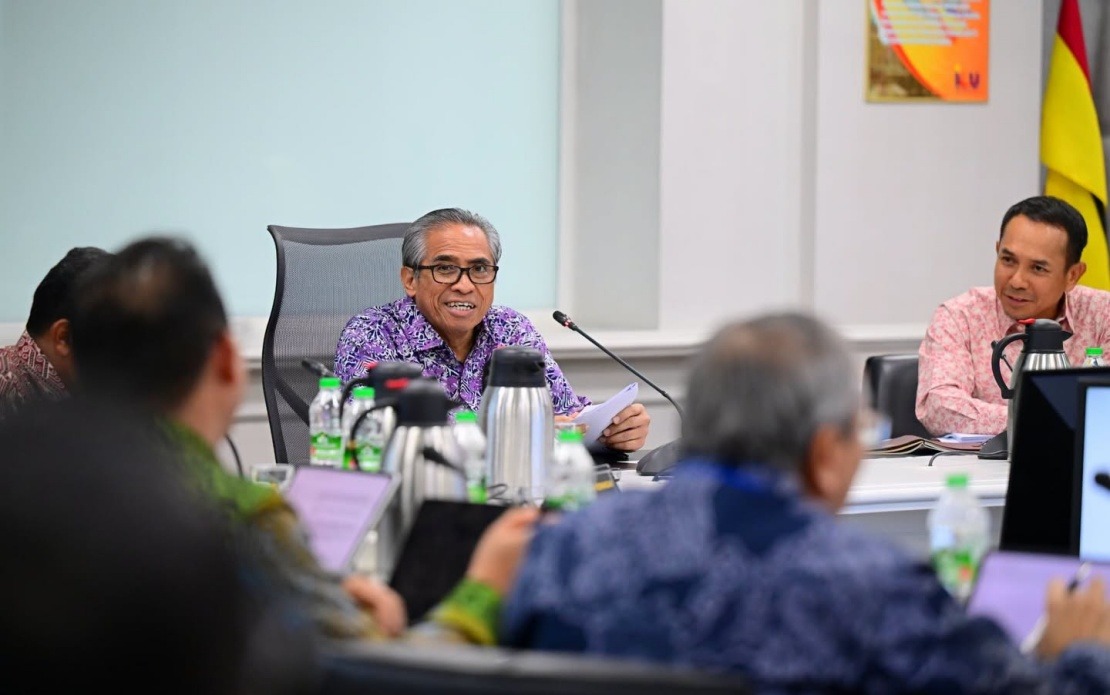
The Malaysian government is intensifying its focus on delivering tangible improvements to public infrastructure and services through a coordinated push on over 40,000 small-scale development initiatives spread nationwide. Chief Secretary to the Government Tan Sri Shamsul Azri Abu Bakar issued the directive following a National Development Action Committee meeting, signalling a strategic shift towards rapid-delivery projects that directly affect communities. The move reflects an administrative approach prioritising immediate, visible results over more complex, longer-term initiatives—a pragmatic strategy for demonstrating government responsiveness to citizen concerns.
These smaller projects are deliberately categorized as "low-hanging fruit," meaning they require less bureaucratic delay and financial complexity than major infrastructure undertakings. Rather than channelling resources into capital-intensive megaprojects that take years to materialize, the government is betting that addressing fundamental maintenance and upgrade needs will foster public confidence in state delivery. The projects encompass routine but essential maintenance work: pothole repairs on local roads, clearing and maintenance of drainage systems, refurbishment of government housing quarters, classroom restoration in schools, enhancements to clinics and health centres, and improvements to public food courts and wet markets that form the backbone of Malaysian community life.
Shamsul Azri's announcement carries particular significance because it represents direct intervention from the apex of the civil service hierarchy. By personally chairing the National Development Action Committee and issuing explicit directives to all ministry secretaries-general—the senior civil servants heading each ministry—the Chief Secretary is signalling top-level commitment and accountability. This hierarchical emphasis matters in Malaysia's administrative culture; when the KSN personally monitors implementation, ministry heads understand that performance metrics and delivery timelines carry genuine consequences for their organisational standing and personal evaluations.
The three to six-month completion timeline is deliberately ambitious. Most of these initiatives can theoretically be executed within this window because they involve existing supply chains, familiar technical requirements, and established implementation procedures. Rather than awaiting approvals for new methodologies or innovative solutions, project teams can deploy proven approaches already embedded in government operations. This compressed timeline also serves a political purpose: it ensures that visible results materialize before major electoral cycles, amplifying the government's demonstrated capacity for delivery when voters make their judgments.
The emphasis on site visits and on-ground problem resolution indicates that Shamsul Azri recognises persistent implementation gaps between policy intention and field-level reality. By explicitly instructing ministry secretaries-general to conduct personal visits and maintain close monitoring, the directive creates accountability mechanisms beyond routine quarterly reporting. This ground-level oversight model reduces the filtering of critical information through intermediate bureaucratic layers, theoretically enabling faster identification and resolution of obstacles that might otherwise delay projects by months.
For Malaysian citizens, particularly in lower and middle-income communities, these categories of work represent quality-of-life improvements that may never become headline news but accumulate into tangible well-being gains. A repaired neighbourhood road facilitates daily commutes; functioning drainage prevents the monsoon flooding that damages homes and disrupts livelihoods; upgraded school classrooms provide better learning environments; improved health facilities increase accessibility to medical care. Markets and public stalls that receive upgrade attention generate better trading conditions for petty vendors and improved shopping experiences for residents. These projects address infrastructure maintenance backlogs that have accumulated during periods when government attention focused elsewhere.
The timing of this initiative also reflects pragmatic governance amid Malaysia's complex political landscape. With competing demands on public resources and multiple layers of government administration—federal, state, and local—focusing on completion-ready projects that don't require extended inter-agency negotiations represents an efficiency-maximising approach. Projects can be implemented within existing budgetary allocations and jurisdictional frameworks, avoiding the political complications that arise when major initiatives require land acquisition, private sector coordination, or significant inter-state negotiation.
Implementation success will depend heavily on whether ministry secretaries-general translate this top-level directive into operational reality within their respective organisations. The civil service in Malaysia operates through hierarchical lines of authority where KSU directives typically flow downward with considerable force, but field-level execution depends on middle managers and technical staff having adequate resources, clear timelines, and functional administrative processes. The National Development Action Committee's role in monitoring progress becomes crucial; without consistent high-level oversight, individual projects might drift behind schedule or face unresolved obstacles that prevent completion.
From a Southeast Asian perspective, Malaysia's emphasis on distributed, small-scale infrastructure reflects a broader regional challenge: how governments can demonstrate competence and citizen-responsiveness amid constrained budgets and competing priorities. The model of rapid-delivery neighbourhood improvement projects has proven popular across the region because it produces visible, measurable results that citizens experience directly. Thailand, Indonesia, and the Philippines have similarly experimented with community-focused development initiatives, though with varying degrees of success depending on local administrative capacity and political commitment.
The 40,000-project scope indicates significant scale; managing this volume of distributed projects simultaneously requires sophisticated coordination mechanisms, reliable tracking systems, and consequences for underperformance. The government will face technical and logistical challenges in ensuring that thousands of local initiatives remain on schedule simultaneously, particularly given Malaysia's geographical spread across peninsular and East Malaysian territories. Weather disruptions, supply chain delays, labour availability fluctuations, and unforeseen technical complications could derail completion targets for substantial portions of the portfolio.
For state and local governments operating under federal guidance, this initiative also clarifies priority-setting: they must redirect attention and resources toward completing these identified projects rather than initiating new undertakings. This represents a strategic choice to concentrate effort on finishing existing commitments rather than expanding the project inventory, a discipline that many government organisations struggle to maintain when political pressures favour announcement of new initiatives over completion of existing ones.
The ultimate measure of success will not merely be whether projects finish on time, but whether the implementation process generates improvements in how government agencies coordinate, monitor progress, and resolve field-level challenges. If the exercise establishes replicable systems for rapid project delivery and accountability, it could reshape how Malaysia approaches public administration in subsequent years. Conversely, if projects experience significant delays and the 40,000-project initiative becomes another example of announced targets unmet, public scepticism about government capacity would intensify further.

