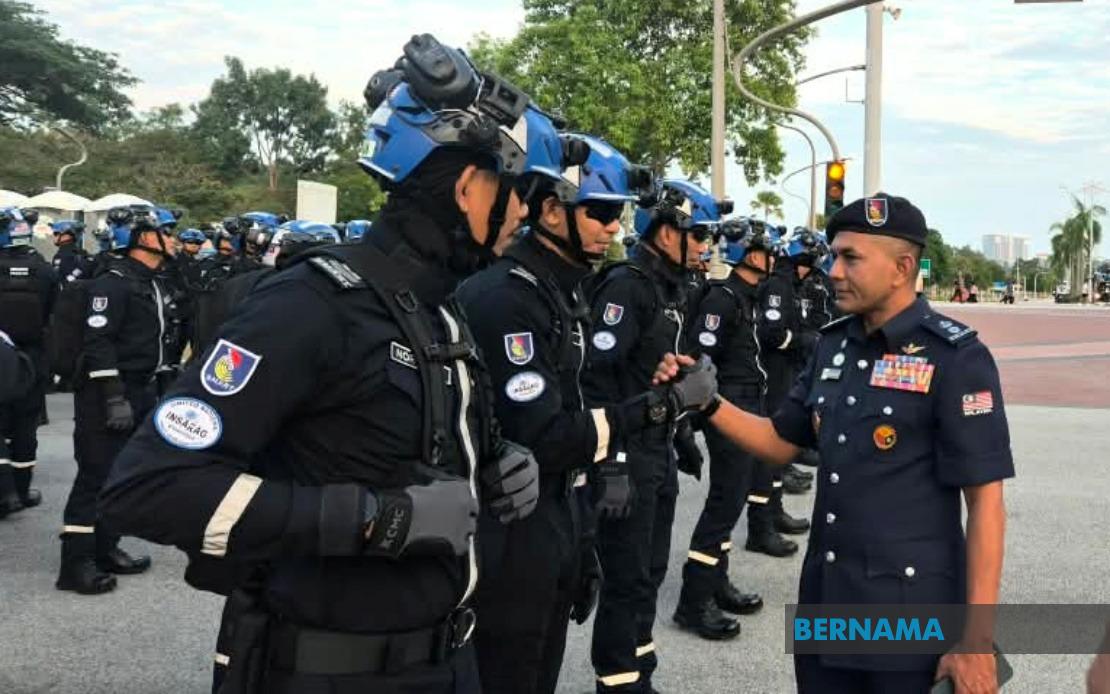
Malaysia's Special Malaysia Disaster Assistance and Rescue Team (SMART) remains in a state of readiness, standing by for authorization from Nepal's government to launch what could become a significant regional humanitarian operation in response to the catastrophic flooding that has gripped parts of South Asia. During National Day 2026 celebrations at Putrajaya on Saturday, SMART commander Senior Fire and Rescue Officer 1 Abdul Manaf Che Isa confirmed that all operational preparations have been completed and the contingent is prepared to mobilize on short notice once diplomatic channels yield approval from Kathmandu.
The decision to deploy Malaysian personnel comes in response to an unprecedented natural disaster that unfolded on 26 August, when massive flash floods and landslides devastated Nepal's Rasuwa District and swept into Tibet's border regions. According to reports from the Anadolu Agency, the confirmed death toll has reached 804, with approximately 3,300 individuals still unaccounted for across both territories. The scale of this catastrophe positions it among the most severe weather-related disasters to strike the Himalayan region in recent memory, generating urgent appeals for international humanitarian assistance.
The Malaysian government's commitment to this relief effort extends beyond immediate rescue operations. Prime Minister Datuk Seri Anwar Ibrahim announced the MADANI Government's decision to contribute USD1 million in financial assistance to Nepal's disaster recovery and rehabilitation programmes. This monetary support reflects Malaysia's broader strategy of combining hands-on technical expertise through its specialized rescue personnel with direct financial investment in long-term recovery initiatives that will be crucial as Nepal begins assessing and addressing the infrastructure damage wrought by the floods.
Among the immediate priorities driving Malaysia's proposed deployment is the welfare of its own nationals caught in the disaster zone. The Foreign Ministry confirmed that as of Saturday, 55 Malaysian citizens remain uncontactable following the flooding in Nepal, while another 36 are reported missing in the affected areas of China's Tibet region. Beyond locating and assisting these individuals, the SMART contingent will coordinate with the Malaysian Embassy in Nepal to consolidate aid distribution efforts and maintain ongoing communication with affected Malaysian communities, ensuring that consular support reaches those in need across the disaster-affected territories.
The SMART team selected for potential deployment comprises 112 highly trained personnel, led by Captain Plaveanus Bernard, who demonstrated their operational readiness through participation in the National Day 2026 parade at Dataran Putrajaya. These specialists bring expertise in advanced search and rescue techniques, emergency medical response, and disaster assessment — capabilities honed through Malaysia's experiences responding to previous regional catastrophes and through ongoing training with international rescue standards.
Coordination across multiple Malaysian government agencies underscores the complexity of mounting an effective international relief operation. Abdul Manaf emphasized that the deployment would require synchronized effort among the Foreign Ministry (Kementerian Luar Negeri), the National Security Council (Majlis Keselamatan Negara), and the National Disaster Management Agency (Agensi Pengurusan Bencana Nasional). This interagency framework ensures that rescue operations proceed within appropriate diplomatic channels while maintaining security protocols and maximizing the effectiveness of Malaysia's contribution.
The situation in Nepal illustrates the interconnected vulnerability of the broader South Asian region to extreme weather events and natural disasters, with climate patterns capable of producing catastrophic impacts across multiple countries simultaneously. Malaysia's readiness to deploy specialized personnel reflects broader Southeast Asian commitments to regional cooperation on disaster response — a principle that has gained momentum through frameworks like ASEAN's Agreement on Disaster Management and Emergency Response. For Malaysian readers, this deployment also demonstrates how the nation's investment in specialized rescue capabilities serves national interests by positioning Malaysia as a capable humanitarian partner in regional crises.
The waiting period for Nepalese government clearance introduces a temporal dimension to this crisis response. International disaster relief operations, while driven by humanitarian urgency, require formal governmental authorization before external teams can conduct operations within a sovereign nation's territory. Nepal's government must assess its existing response capacity, determine resource gaps, and identify specific locations where international assistance would prove most valuable — processes that necessarily consume time even as conditions on the ground remain dire. Malaysia's advance preparation means that the moment authorization is granted, personnel can depart with minimal delay.
For Nepal itself, accepting international assistance from specialized teams like SMART represents a critical multiplier effect on limited domestic capacity. The scale of this disaster has almost certainly overwhelmed Nepal's indigenous rescue resources, creating scenarios where international support becomes essential for saving lives and locating missing individuals in challenging terrain. Malaysian rescuers bring not only technical skills but also fresh personnel who can sustain operations over extended periods, allowing Nepali emergency services to maintain broader disaster management functions elsewhere.
The broader implications of this potential deployment extend beyond immediate humanitarian considerations. Regional stability and cooperation depend partly on demonstrated willingness to assist neighbouring countries during crises. Malaysia's proactive stance — preparing comprehensive deployment while financial aid flows to recovery efforts — sends a signal about the nation's role as a constructive Southeast Asian partner engaged with South Asian humanitarian challenges. This positions Malaysia within frameworks of multilateral cooperation that strengthen regional bonds and establish precedents for mutual assistance.
As communications continue through diplomatic channels between Putrajaya and Kathmandu, the SMART contingent maintains operational readiness, their equipment prepared and personnel briefed on conditions they are likely to encounter in Nepal's challenging topography. The moment approval materializes, this team will join other international rescue efforts already underway, bringing Malaysian expertise and resources to bear on one of Asia's most serious natural disasters in recent years.

