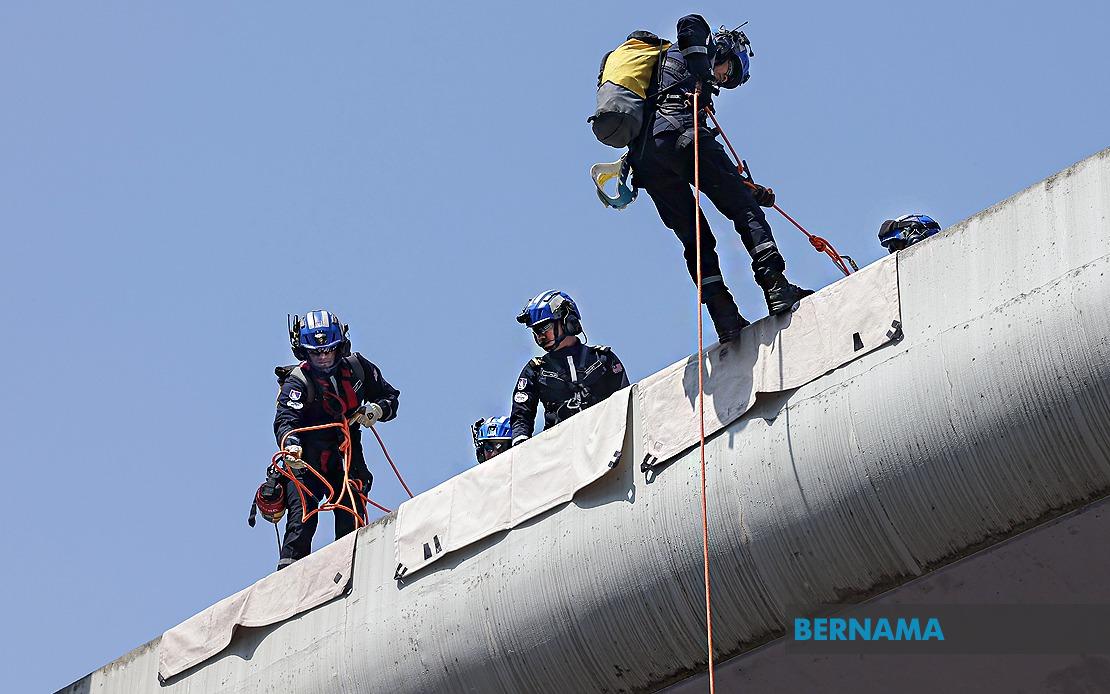
Malaysia's Special Search and Rescue Team (SMART) has been placed on high alert and is prepared to mobilise to Nepal to support ongoing search and rescue operations triggered by severe flooding across the country, the National Disaster Management Agency (NADMA) confirmed on Friday. The deployment, however, remains contingent upon Nepal's formal acceptance of Malaysian humanitarian assistance and an official request from the Nepali Government, underscoring the diplomatic protocols that typically govern international disaster relief efforts.
The timing of this standby readiness comes as the Malaysian Government, under the MADANI administration, has signalled its intention to provide comprehensive assistance to Nepal. Prime Minister Anwar Ibrahim announced that the decision has been made to dispatch SMART personnel, whose mandate extends beyond search and rescue operations to include locating and repatriating Malaysian nationals affected by the flooding, whilst simultaneously supporting the Malaysian Embassy in Kathmandu in coordinating broader humanitarian efforts and safeguarding the welfare of Malaysian citizens in the region.
Beyond the deployment of specialist personnel, Malaysia is also committing financial resources to support Nepal's immediate needs and longer-term recovery. The Government has pledged a contribution of US$1 million (approximately RM4.03 million) to assist affected populations and facilitate post-disaster reconstruction and rehabilitation initiatives. This dual approach—combining technical expertise with financial support—reflects Malaysia's strategic commitment to regional cooperation and demonstrates the MADANI Government's willingness to shoulder responsibility in response to humanitarian crises affecting neighbouring countries.
NADMA emphasised that all coordination efforts pertaining to the deployment are being conducted in close liaison with Malaysia's Foreign Ministry. This institutional coordination is essential, as international disaster relief operations require careful navigation of diplomatic channels and adherence to established protocols. The agency's statement highlighted that this preparedness reflects Malaysia's broader commitment to supporting the international community during times of crisis, positioning the nation as a responsible regional actor capable of rapid and organised response to emergency situations.
Senior Fire Superintendent I Abdul Manaf Che Isa, the commander of the SMART contingent, conveyed the team's readiness and determination despite competing national commitments. Notably, the SMART personnel are scheduled to participate in Malaysia's 69th National Day parade on August 31, yet remain prepared to depart for Nepal at short notice should official clearance be obtained. This reflects the dual nature of Malaysia's emergency response capacity—the ability to maintain routine national obligations whilst simultaneously positioning specialised teams for rapid international deployment when humanitarian needs arise.
The Commander's remarks underscored the professional discipline and commitment characterising Malaysia's search and rescue capability. SMART operatives maintain heightened readiness protocols, enabling mobilisation within minimal timeframes. This operational tempo is achievable through rigorous training regimens and pre-positioned equipment, allowing the team to transition swiftly from domestic event participation to international deployment. Such flexibility demonstrates the value Malaysia derives from maintaining world-class disaster response infrastructure and personnel.
The flooding in Nepal represents a significant humanitarian challenge affecting thousands of residents across multiple provinces. The exact scale of casualties, displacement, and infrastructure damage continues to evolve as rescue operations progress. Regional countries, including India, have also mobilised assistance, creating a coordinated regional response framework. Malaysia's positioning within this broader effort contributes to collective South Asian resilience and reinforces the principle of mutual support amongst regional nations facing climate-driven natural disasters.
For Malaysia, engagement in Nepal's disaster response carries several strategic implications. First, it reinforces diplomatic ties between the two countries and signals Malaysia's willingness to contribute meaningfully to regional stability and humanitarian welfare. Second, SMART's involvement provides valuable operational experience for the team in different terrain and climatic conditions, enhancing collective knowledge and capability. Third, the deployment demonstrates Malaysia's technical proficiency to the international community, potentially positioning the nation as a reliable partner in future regional emergencies.
The flood crisis in Nepal occurs within the broader context of climate change and extreme weather patterns increasingly affecting South Asia. Nepal's topography—characterised by steep terrain and monsoon-dependent precipitation—renders the country particularly vulnerable to flooding and landslides during heavy rainfall events. Malaysia, similarly positioned in a tropical monsoon zone with its own flood-prone regions, understands the challenge intimately and recognises shared vulnerabilities in the region. This common exposure to climate-related hazards motivates mutual support frameworks and knowledge-sharing between nations.
From the Malaysian perspective, deployment to Nepal serves broader foreign policy objectives centred on regional integration and humanitarian leadership. The MADANI Government has emphasised its commitment to strengthening ties with neighbouring countries and positioning Malaysia as a stabilising force. Disaster relief operations represent tangible expressions of this commitment, moving beyond rhetorical pledges to concrete action. The combination of SMART deployment and financial contribution demonstrates comprehensive engagement rather than superficial gestures.
The decision-making process surrounding international disaster assistance also reflects Malaysia's respect for national sovereignty and established international norms. Rather than unilaterally deploying resources, Malaysia awaits Nepal's formal request and acceptance, acknowledging the host nation's authority to determine what assistance it requires and from which sources. This principled approach, though potentially slower than immediate deployment, reinforces the legitimacy and effectiveness of humanitarian cooperation and ensures that assistance aligns with actual Nepali needs and preferences.
Looking forward, the situation remains fluid as NADMA continues coordinating with diplomatic counterparts to secure formal approval for SMART deployment. The team's readiness state ensures that once clearance is obtained, mobilisation can proceed expeditiously. The coming days will reveal whether Nepal formally requests Malaysian assistance and, if so, what specific roles SMART personnel will undertake. Regardless of the deployment outcome, Malaysia's demonstrated preparedness and willingness to assist reinforce the nation's identity as a responsible regional partner committed to humanitarian principles and practical solidarity with neighbouring countries facing natural disasters.

