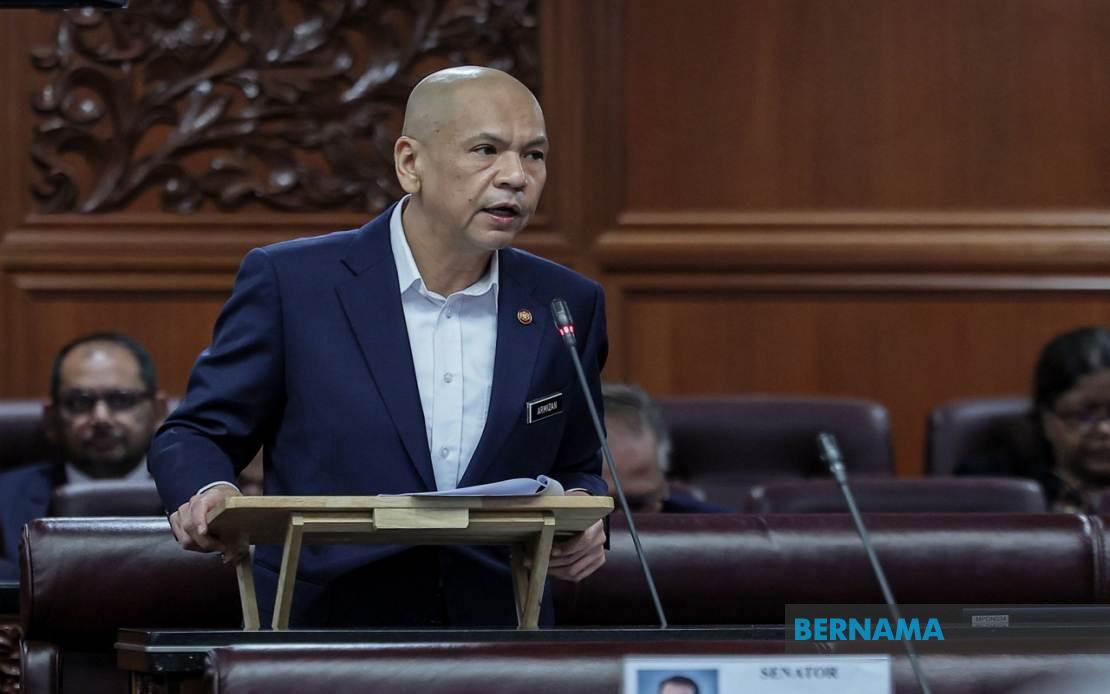
Malaysia's Rahmah MADANI Sales Programme has gained considerable momentum as a targeted intervention against rising living costs, with the Ministry of Domestic Trade and Cost of Living reporting 15,881 separate sales events conducted throughout the country between January and June 2024. Datuk Armizan Mohd Ali, the minister responsible for the initiative, disclosed these figures during parliamentary proceedings on June 30, underscoring the government's determination to make affordable shopping accessible across all communities. The scope of implementation reflects a systematic nationwide rollout, encompassing all 600 state constituencies and every Federal Territory zone across Putrajaya, Kuala Lumpur, and Labuan.
The trajectory of expansion reveals a programme gaining institutional weight and public acceptance. Just two years earlier, in 2023, the government conducted 6,870 such events, a baseline that more than doubled to 12,419 sessions in 2024 before climbing further to 25,708 in 2025. Rather than treating these discounted sales as sporadic promotional exercises, the current administration has fundamentally restructured the approach by institutionalising the programme within the annual national budget framework starting in 2024, granting it dedicated funding and an activity code. This elevation signals recognition that cost-of-living relief requires systematic, ongoing intervention rather than episodic government gestures.
The enhanced target of 30,000 annual events, announced following Prime Minister Datuk Seri Anwar Ibrahim's May declaration, acknowledges mounting pressures on Malaysian household finances stemming from global supply chain disruptions and geopolitical tensions in West Asia. This upward revision from the initial 23,040-event target demonstrates adaptive governance responding to real economic conditions affecting citizens across income brackets. For regional observers, the scale of this commitment—potentially reaching more than 80 events daily nationally—illustrates how Southeast Asian governments are deploying direct market interventions to shield populations from imported inflation and commodity price volatility.
The architectural sophistication underlying Rahmah MADANI distinguishes it from previous ad hoc bargain-sale campaigns. Rather than relying on government whim or reactive timing, the current model establishes predetermined frequency targets and scheduling calendars for each constituency and zone, creating predictability that allows households to plan their shopping strategically. Beginning in 2025, residents receive advance notice of event dates, times, and locations through a nationwide calendar system, enabling lower-income families to organise their purchases around these opportunities. This regularisation transforms occasional deals into an expected feature of the retail landscape, reducing uncertainty and enhancing accessibility for those with constrained mobility or irregular incomes.
Private-sector engagement has emerged as a critical pillar, with the government securing 2,695 strategic retail partners by late June 2024—encompassing retailers, businesses, and cooperatives across Malaysia's commercial ecosystem. This breadth of participation signals market-wide buy-in and suggests that businesses perceive participation as commercially viable while fulfilling social responsibility objectives. The diversity of partners stretches from large retail chains to community-based cooperatives, creating distribution channels that reach both urban shopping districts and peripheral settlements where conventional retail presence remains sparse. For Malaysian consumers, this partnership model expands choice and ensures competitive pricing disciplines across competing vendors participating in each event.
The delivery methods employed reflect pragmatic understanding of Malaysia's varied geography and population distribution. In-store sales leverage existing retail infrastructure in urban centres; open-air markets serve traditional shopping preferences particularly among older demographics; mobile units extend access to remote areas and communities distant from established commercial zones. Thematic event scheduling aligned with paydays, festive seasons, and back-to-school periods demonstrates attention to household cash-flow cycles and consumption patterns, ensuring that discounted sales coincide with moments when families possess purchasing capacity. This nuanced approach contrasts with simplistic across-the-board price controls that can distort supply chains or discourage vendor participation.
The programme's expansion carries significance beyond immediate consumer relief, signalling governmental commitment to addressing cost-of-living grievances that have dominated Malaysian political discourse since 2022. Opposition parliamentarians, including Datuk Iskandar Dzulkarnain Abdul Khalid of Perikatan Nasional representing Kuala Kangsar, have consistently pressed the government on the adequacy and scale of such measures. By substantially scaling the programme and committing to published calendars, the administration demonstrates responsiveness to legislative scrutiny while attempting to build public confidence in its capability to manage economic pressures. The parliamentary question that prompted Armizan's detailed response exemplifies how cost-of-living assistance has become a measurable performance metric against which governments are evaluated.
For Malaysian households navigating stagnant wage growth amid persistent inflation in food, transport, and utilities, such programmes represent tangible, if partial, relief. A family saving 15-20% on groceries through a Rahmah MADANI event gains meaningful breathing room in monthly budgets already stretched thin. The cumulative impact across 16,000 events nationwide suggests millions of shopping transactions occurring at subsidised prices, redirecting consumer spending patterns and supporting household resilience. However, these sales inherently address symptoms rather than structural determinants of affordability crises—wage inadequacy, housing cost burdens, and healthcare expenses remain fundamentally unchanged by periodic discounts.
Regional analysts note that Malaysia's systematic approach to retail-price intervention reflects wider Southeast Asian trends of government-market partnership in managing cost pressures. Unlike interventions that restrict supply or impose mandatory price ceilings—approaches that risk creating shortages or black markets—Rahmah MADANI works through the existing private distribution system, subsidising consumer prices without distorting producer incentives or suppressing supply. This market-friendly intervention model has gained traction across the region as countries balance social obligations with macroeconomic stability, offering lessons for other middle-income economies facing similar affordability challenges.
The 5,462-event increase from the first-half target suggests momentum continues building. If current trends persist, the revised 30,000-event annual target appears achievable, potentially establishing Rahmah MADANI as a permanent feature of Malaysia's consumer landscape rather than a temporary expedient. Success in meeting this expanded commitment will likely depend on sustained coordination among the Ministry of Domestic Trade, local government, and private retailers, alongside adequate budget allocation. For voters evaluating government performance ahead of future elections, the visibility and accessibility of these sales events will matter considerably, making implementation consistency and geographic equity critical to political sustainability of the initiative.

