Malaysia's power infrastructure sector is entering a period of robust expansion, underpinned by substantial capital investment commitments that are likely to stretch across several years. Hong Leong Investment Bank Bhd has highlighted the structural advantages emerging within the domestic electricity grid ecosystem, particularly for publicly traded companies engaged in transmission, distribution, and power generation operations.
The optimistic outlook reflects shifting energy dynamics across Malaysia and the broader Southeast Asian region. As the nation pursues economic development and industrialisation, electricity demand continues to accelerate, necessitating significant investment in grid modernisation, generation capacity, and distribution infrastructure. This upward trajectory in capex spending creates a supportive environment for companies positioned to benefit from infrastructure contracts and operational improvements.
For Malaysian investors, the positive assessment from Hong Leong Investment Bank underscores potential opportunities within the utilities sector. Listed companies with direct exposure to grid operations and power transmission stand to gain through increased revenue streams and asset base expansion. The multi-year nature of these capital expenditure cycles also provides visibility into medium-term earnings potential, reducing short-term volatility and creating more predictable cash flows for shareholders.
The power sector's structural advantages emerge from Malaysia's commitment to reliable electricity supply amid rising demand from manufacturing, commercial, and residential sectors. Grid operators are increasingly investing in automation, digitalisation, and renewable energy integration—all requiring substantial infrastructure upgrades. These modernisation efforts go beyond simple capacity expansion; they represent a fundamental transformation of how electricity is generated, transmitted, and distributed throughout the country.
Regional context adds further weight to Malaysia's positive outlook. Across Southeast Asia, governments are prioritising energy security and transitioning toward cleaner power generation. Malaysia's existing infrastructure base, coupled with its strategic position as a regional energy hub, positions domestic players to capture growth opportunities that extend beyond national borders. Companies with technological expertise and operational efficiency may find regional expansion pathways particularly attractive.
The emphasis on listed grid-exposed players reflects investor focus on companies with direct revenue visibility and regulatory support. Unlike speculative ventures, utilities with established regulatory frameworks and long-term service contracts offer more stable return profiles. Malaysian power infrastructure companies typically operate under established tariff structures and government oversight that provide revenue protection and predictable profit margins.
Capital intensity remains a defining characteristic of the power sector. The substantial financial commitments required for infrastructure development typically favour large, well-capitalised listed entities capable of accessing capital markets and securing project financing. For Malaysian investors seeking exposure to infrastructure growth, these institutional players represent the primary beneficiaries of the anticipated capex upcycle.
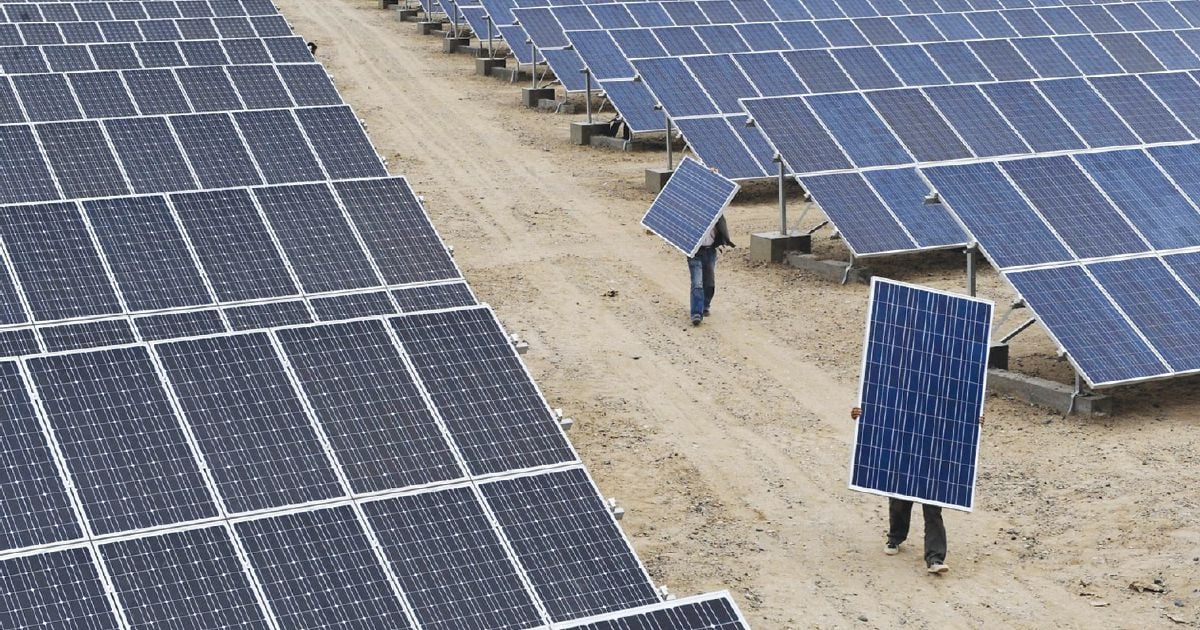
Looking ahead, Malaysia's power sector growth trajectory will increasingly depend on successful integration of renewable energy sources, particularly solar and hydroelectric generation. These transitions require compatible grid infrastructure investments, creating additional opportunities for technology providers and system integrators. The electrification of transport and heating further amplifies demand for grid capacity and distribution capabilities.
Investor sentiment toward Malaysian utilities has also improved as global capital increasingly recognises the essential nature of power infrastructure. Unlike cyclical sectors vulnerable to economic downturns, electricity demand remains relatively resilient, providing defensive characteristics alongside growth potential. This combination appeals to both income-focused and growth-oriented portfolio managers.
The positive outlook also carries implications for Malaysia's broader economic competitiveness. Reliable, affordable electricity underpins manufacturing attractiveness and foreign direct investment decisions. Companies investing in power infrastructure expansion thus contribute to economic positioning and industrial sustainability, generating stakeholder interest beyond traditional financial returns.
Market participants should monitor regulatory developments and government energy policy announcements closely. Policy shifts regarding renewable energy targets, electricity price mechanisms, and grid investment priorities will significantly influence investment opportunities within the sector. Recent global trends toward decarbonisation and net-zero commitments increasingly shape energy sector investment decisions across Southeast Asia.
Malaysia's power infrastructure sector positioning reflects broader confidence in the nation's economic trajectory and energy security commitment. The multi-year capex cycle identified by Hong Leong Investment Bank suggests sustained opportunities for investors seeking exposure to essential infrastructure assets with predictable earnings characteristics and modest but steady growth profiles.

