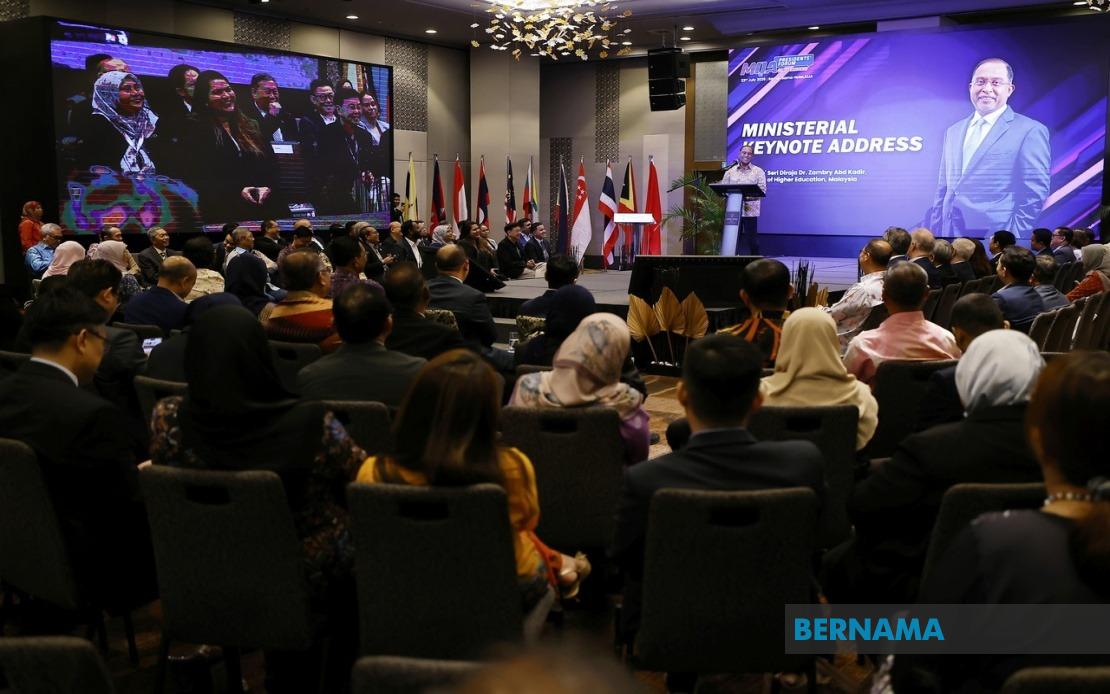
Malaysia's polytechnic system is facing a mounting accommodation crisis as the government's push to steer more students toward technical education has triggered unexpectedly strong demand for places. Higher Education Minister Datuk Seri Dr Zambry Abd Kadir announced that the ministry will undertake a comprehensive programme to repair and upgrade hostel facilities across the country's polytechnic network, particularly targeting older buildings that have deteriorated due to heavy use and deferred maintenance.
The crunch has emerged as an unintended consequence of policy success. Over 30,000 new students enrolled in polytechnics for the first semester of the 2026-2027 academic year, representing a striking 125-plus per cent achievement rate against intake targets. This reflects a significant shift in perception, as students and parents increasingly view technical and vocational qualifications as viable pathways to employment, mirroring global trends toward skills-based credentials. The government's deliberate campaign to channel Sijil Pelajaran Malaysia (SPM) graduates into polytechnics and other vocational institutions has resonated far more strongly than officials anticipated when setting capacity targets.
The scale of the challenge extends beyond simple overcrowding. Many polytechnic hostels, particularly those constructed decades ago, lack the infrastructure and maintenance standards required for comfortable student living. Zambry acknowledged that several facilities require urgent attention, with some buildings classified as being in poor condition. The ministry has already initiated an identification process to catalogue which institutions face the most severe accommodation deficits and which hostel blocks need remedial work. This systematic approach suggests the problem is not isolated to one or two campuses but is instead a sector-wide issue requiring coordinated solutions.
The government has been formally requested to allocate funds for repair and upgrading work at multiple polytechnics. Zambry's cautious statement that such work would be undertaken "Insya-Allah" indicates that budget approval remains pending, though the minister has clearly elevated the issue to the cabinet level. This signals an awareness that without swift intervention, accommodation shortages could undermine recruitment momentum and damage the reputation of Malaysia's vocational education sector at a critical moment when it is gaining traction among students.
The implications for Malaysia's education landscape are substantial. The surge in polytechnic applications demonstrates that the long-standing perception of technical education as a second-rate option is finally eroding. However, if prospective students face the prospect of inadequate housing, the sector's momentum could stall. Students who are already financially stretched cannot absorb the cost of private accommodation, and those from outside urban centres may find overcrowded or substandard hostels a dealbreaker. The government has already committed to accepting the influx of students, which makes the accommodation issue an urgent matter of equity and reputation.
Zambry instructed the Polytechnic and Community College Education Department director-general Dr Shamsuri Abdullah to implement immediate measures to address placement and related administrative challenges. This delegation of responsibility suggests the ministry recognises that solutions must move beyond planning stages into rapid execution. The specific focus on "placement and related matters" indicates that the ministry is also examining whether some overcapacity can be managed through alternative arrangements, such as staggered intake cycles or expanded capacity at less congested institutions.
The broader context involves Malaysia's long-standing aspiration to compete as a skills-based economy within Southeast Asia. The polytechnic system serves as the training ground for technicians, engineers, and skilled workers across industries ranging from manufacturing to healthcare. If these institutions are hampered by poor facilities, the quality of graduates suffers, which has downstream effects on employer satisfaction and wage outcomes for students. Countries like Singapore and South Korea have invested heavily in vocational infrastructure, recognising that housing and working conditions directly influence student retention and learning outcomes.
The minister's framing of the accommodation crisis as a "positive" problem represents a strategic communication choice. By emphasising that overcrowding reflects successful policy, rather than poor planning, Zambry attempts to maintain confidence in the government's education roadmap while acknowledging the need for investment. However, such messaging will only retain credibility if hostel repairs and upgrades materialise promptly. Delays in delivering improved facilities could invite criticism that the government oversold polytechnic education without ensuring adequate infrastructure.
For students themselves, the current situation creates obvious discomfort. Shared dormitory spaces, limited bathroom facilities, and aging buildings create stress that can affect academic performance. First-year students adjusting to life away from home are particularly vulnerable to the negative impacts of substandard housing, which can influence their decision to persist in their chosen field. Female students have historically faced particular challenges in some institutions, making facility quality a gender equity issue as well.
The resolution of this crisis will likely require investment beyond simple repairs. Some polytechnics may need to expand capacity by constructing new hostels or converting nearby facilities. Others may need to forge partnerships with private housing providers to offer subsidised accommodation. The scale of the 125-plus per cent intake surge suggests that one-off repair projects may be insufficient; a longer-term expansion strategy is needed to accommodate sustained high demand.
Looking ahead, the polytechnic accommodation crisis presents both a challenge and an opportunity for Malaysia's education system. If managed effectively, improved facilities could enhance the sector's appeal and support the government's vision of reshaping Malaysia's workforce. If neglected, overcrowding and deteriorating conditions could damage the momentum that has been carefully built over the past few years, ultimately undermining skills development at precisely the moment when Malaysia needs to deepen its technical workforce.

