The Ministry of Higher Education has signalled its commitment to maintaining constant vigilance over the security and welfare of Malaysian students scattered across West Asian nations, pledging to work hand-in-hand with Wisma Putra to navigate the region's evolving political landscape. Higher Education Minister Datuk Seri Dr Zambry Abd Kadir disclosed the proactive stance following the cascade of security alerts emanating from the region, most notably the United States issuing travel advisories that prompted American citizens to evacuate. Malaysia's approach reflects the delicate balancing act required when managing the safety of student populations abroad during periods of regional uncertainty, particularly given the unpredictability of external powers' foreign policy positions.
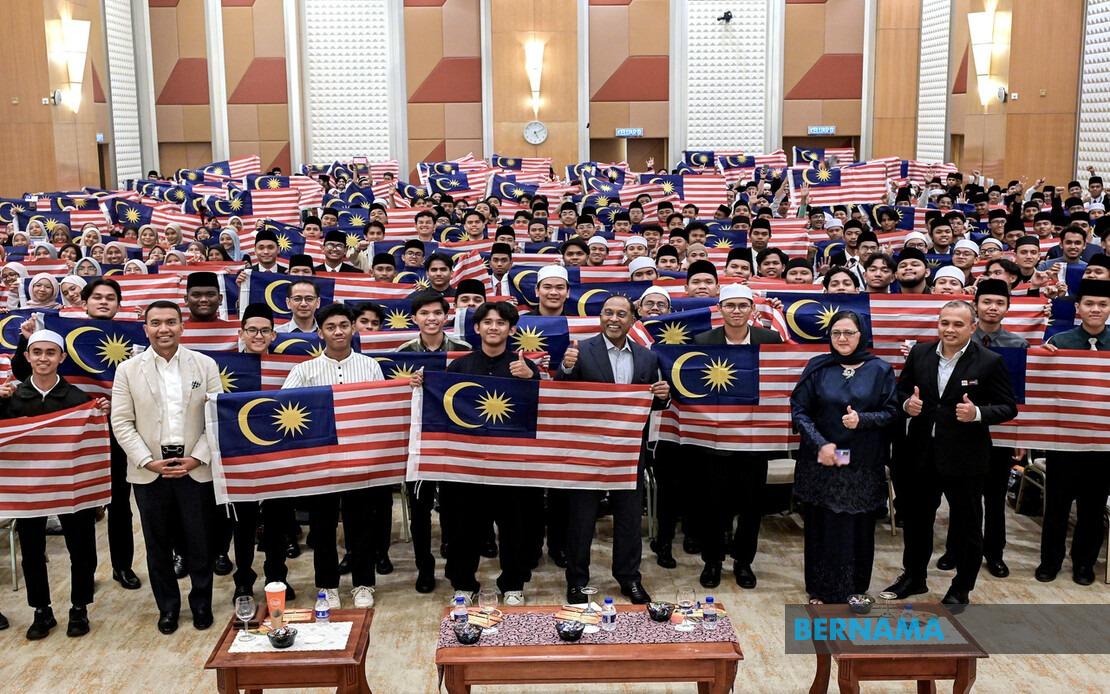
The ministry has identified Egypt, Jordan and Morocco as priority destinations requiring heightened attention, with approximately 456 Malaysian students preparing to embark on their academic journeys to these three nations from September 1. This cohort participated in the International Charisma Programme organised jointly by the ministry and the Malaysia Nationhood Academy, a preparatory initiative designed to equip departing students with essential briefings, practical guidance and direct engagement with government officials before they assume their studies abroad. The programme represents a deliberate investment in student preparedness, combining practical welfare measures with character formation—a philosophy the minister emphasised through the traditional Islamic educational framework of ta'lim, tarbiah and ta'dib.
Minister Zambry acknowledged the inherent unpredictability of the current security environment, particularly regarding American policy shifts. He noted that swift policy reversals characterise contemporary geopolitical decision-making, necessitating Malaysia's adoption of a flexible yet cautious monitoring framework rather than reactive responses triggered by external developments. This measured approach recognises that Malaysian interests sometimes diverge from those of larger powers, requiring independent assessment capabilities grounded in Malaysia's own diplomatic channels and institutional networks.
The scale of Malaysia's student presence in West Asia underscores the region's continued significance for Malaysian higher education aspirations. Egypt alone hosts thousands of Malaysian scholars, while Jordan accommodates between 1,000 and 2,000 students, representing one of the region's more substantial Malaysian academic communities. Morocco's population of Malaysian students remains comparatively modest but demonstrates consistent growth, reflecting evolving educational opportunities and changing student preferences across North Africa. These figures illustrate Malaysia's deep institutional ties to West Asian educational ecosystems spanning decades.
Beyond Islamic studies—traditionally the primary draw for Malaysian students in countries like Egypt—the cohorts now encompass diverse professional disciplines. Malaysian students are simultaneously pursuing medicine, dentistry, pharmacy and other specialised fields essential to Malaysia's healthcare infrastructure and economic development. This diversification indicates a maturing approach to overseas education, where institutional partnerships now span multiple faculties rather than remaining concentrated within religious or humanities domains.
The ministry's infrastructure for student support reflects this expanded scope. Education Malaysia offices operating in Egypt and Jordan serve as frontline support centres, maintaining direct communication with student communities and coordinating welfare initiatives. Although Morocco lacks a dedicated Education Malaysia office, coordination mechanisms route matters through Egypt-based personnel, ensuring no student falls outside the institutional safety net. This networked approach acknowledges geographic constraints whilst prioritising comprehensive coverage.
Zambry emphasised that overseas students represent strategic national assets, positioning them as crucial participants in Malaysia's long-term development narrative. The implicit expectation is that these scholars, upon completing their qualifications, will return to contribute accumulated expertise across various sectors—a brain-drain mitigation strategy that acknowledges education abroad as an investment rather than a loss. However, achieving meaningful return rates requires sustained engagement with diaspora communities and creating sufficiently attractive domestic opportunities.
The broader context of Malaysia's international education competitiveness adds dimension to these safety concerns. Malaysia now hosts higher education students from approximately 180 countries, evidence of the domestic system's global credibility and competitive standing. This incoming diversity signals that Malaysian institutions have transcended reliance on particular geographic markets, establishing themselves as genuinely international academic destinations. The reciprocal flow of outbound Malaysian students and inbound international cohorts creates a balanced educational ecosystem strengthening Malaysia's regional intellectual positioning.
The safety monitoring architecture reflects Malaysia's diplomatic maturity in managing citizens abroad. Rather than reacting panic-stricken to each geopolitical tremor, the ministry anchors its framework to professional diplomatic guidance from Wisma Putra, ensuring student safety considerations remain embedded within broader Malaysian strategic interests. This coordination prevents education ministry decisions from diverging from foreign policy directions, eliminating potential contradictions between successive government pronouncements.
West Asia's continued appeal to Malaysian students despite security uncertainties testifies to the region's educational value proposition—established institutional prestige, cost-effectiveness, cultural alignment and professional recognition standards that remain internationally competitive. Yet successive crises underscore the implicit risks accompanying overseas study commitments. Malaysian families make calculated decisions weighing opportunities against dangers, trusting government mechanisms to provide vigilant oversight during inevitable regional turbulence.
Minister Zambry's emphasis on holistic character development alongside academic achievement suggests recognition that overseas study experiences profoundly shape Malaysian returnees' worldviews and professional identities. The integration of ta'lim, tarbiah and ta'dib principles into student preparation indicates deliberate efforts to ensure academic advancement does not occur in isolation from moral and ethical formation—a concern particularly acute when students experience different cultural and institutional environments.
Moving forward, the ministry's strategy depends on sustained coordination with Wisma Putra and maintaining robust communication channels with student populations. Regular updates, transparent risk assessment and accessible evacuation protocols will prove essential if regional tensions intensify. The current monitoring posture represents prudent planning rather than crisis management, positioning Malaysia to respond decisively should circumstances deteriorate whilst avoiding premature disruptions to students' educational continuity during periods of mere uncertainty.

