Malaysia's education system is bracing for a new era of student protection, with the Ministry of Education announcing a sweeping policy initiative designed to safeguard the nation's schoolchildren across all 10,258 institutions. The move comes as authorities grapple with the uncomfortable reality that schools face daily crises, ranging from minor injuries to fatal incidents, painting a starkly different picture from the calm facade many communities perceive.
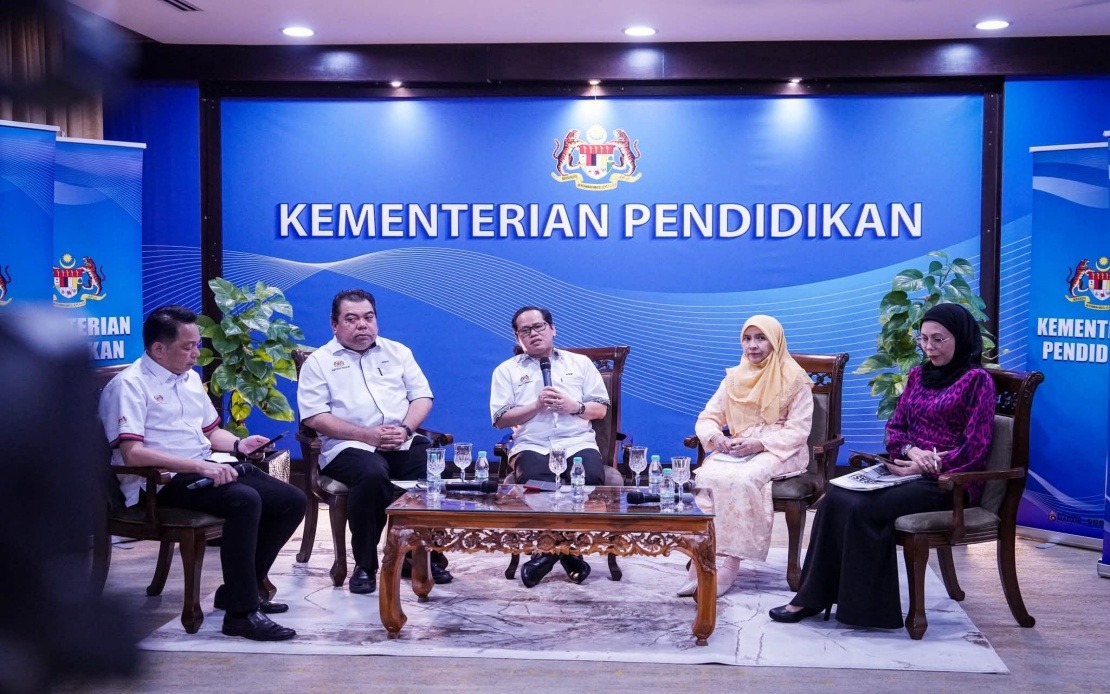
Education director-general Datuk Mohd Azam Ahmad provided sobering context during a recent dialogue session, revealing that the ministry receives injury reports and incident notifications almost constantly. More alarmingly, there have been days when fatalities and serious incidents have exceeded ten cases within a single 24-hour period. This statistic underscores a fundamental challenge facing Malaysia's education administrators: the gap between public perception of school safety and the daily operational reality confronting school leaders and ministry officials.
The newly formulated Student Protection Policy, formally announced through a July 1 circular known as Surat Pekeliling Ikhtisas (SPI), represents a systemic response to these mounting pressures. Rather than addressing individual school concerns in isolation, the policy framework encompasses all educational institutions nationwide, recognizing that challenges transcend geographical or administrative boundaries. The circular mandates that all school personnel and external parties engaging with schools must sign a Letter of Compliance, formalizing their commitment to student safeguarding protocols.
Datak Azam emphasized that contemporary education extends far beyond traditional academic delivery. Teachers now navigate responsibilities encompassing character development, emotional resilience, and psychological support—duties that were historically considered ancillary to core instruction. This expanded role reflects a fundamental shift in how Malaysian educators conceptualize their professional mandate, particularly as students encounter unprecedented exposure to digital influences and external pressures at increasingly younger ages compared to previous generations.
The policy's scope reveals the comprehensive nature of educational reform underway. Beyond immediate student protection measures, the circular addresses mental health support, reproductive and social health education, prevention of child sexual violence, substance abuse awareness, and mechanisms for amplifying student voices in school governance. This multifaceted approach acknowledges that protective frameworks cannot exist in isolation but must integrate with broader wellness and developmental initiatives.
Crucially, the policy reflects growing recognition that student safety cannot remain the exclusive purview of educators. The dialogue session featured multiple stakeholders, including Children's Commissioner of the Human Rights Commission of Malaysia (SUHAKAM) Dr Farah Nini Dusuki, whose participation signals institutional collaboration between education authorities and human rights oversight bodies. This cross-sector engagement suggests that Malaysian policymakers view student protection as a public responsibility extending beyond school gates.
The timing of this policy initiative carries particular significance for Malaysian educators and parents. Schools operate within an increasingly complex information ecosystem where students encounter content, social pressures, and threats that educational institutions struggle to mediate effectively. By establishing clear guidelines and standardized protocols, the MOE attempts to create consistency across Malaysia's diverse school population, ensuring that students in rural areas receive comparable protection measures to those in urban centers.
The practical implementation of these measures will prove pivotal. Requiring written compliance from all school staff and external parties establishes accountability chains that facilitate monitoring and enforcement. However, the policy's success ultimately depends on institutional capacity, adequate funding for training initiatives, and sustained commitment from school administrators operating under resource constraints.
For Malaysian parents and the broader community, this policy framework represents institutional acknowledgment that contemporary schooling presents distinctive challenges requiring deliberate, strategic responses. The recognition that schools operate within a fundamentally altered landscape—one shaped by digital connectivity, evolving social dynamics, and novel threats—legitimizes parental concerns about student welfare and validates calls for institutional intervention.
The implications extend beyond Malaysia's borders, offering a template for regional education systems confronting similar challenges. Southeast Asian nations with comparable educational structures and student populations increasingly recognize that traditional safeguarding approaches prove inadequate in addressing modern school environments. Malaysia's comprehensive policy framework may inform discussions across the region regarding best practices in institutional student protection.
Looking forward, the true measure of this policy's effectiveness will emerge through implementation outcomes and measurable improvements in student safety metrics. Whether the framework successfully reduces incident rates, improves reporting mechanisms, and enhances institutional responsiveness will determine whether the MOE's initiative represents genuine systemic transformation or incremental bureaucratic adjustment. The education director-general's candid acknowledgment of current challenges suggests that Malaysian authorities understand the urgency of meaningful reform and the stakes involved in protecting the nation's young people within school environments.

