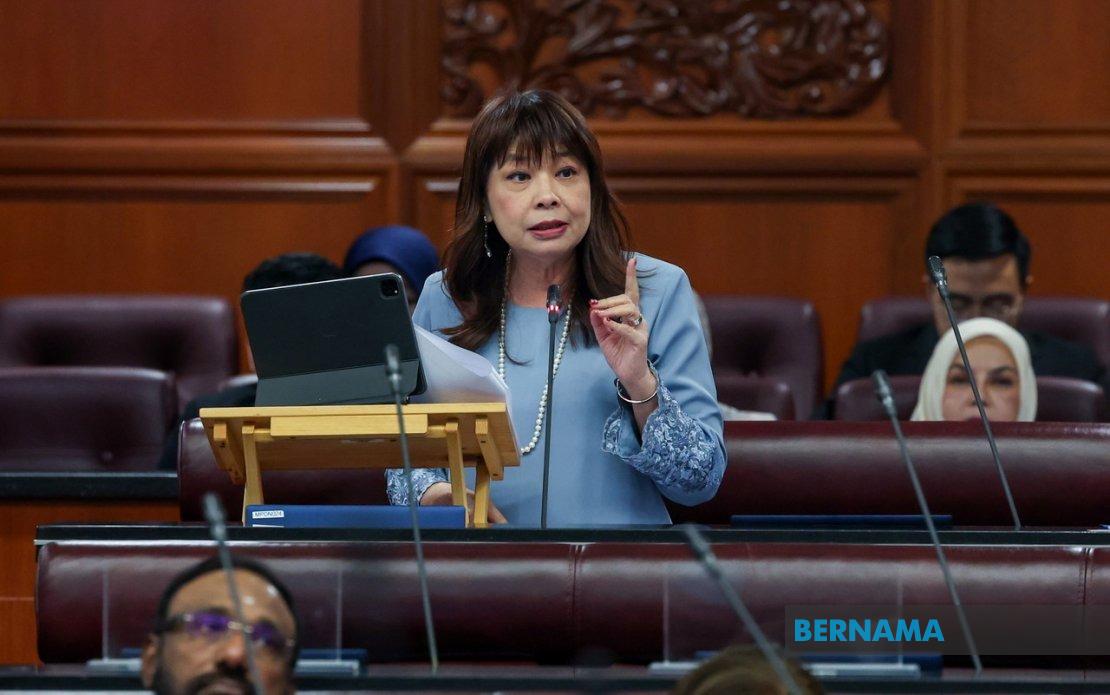
Malaysia's dedicated domestic violence hotline has fielded thousands of distress calls in recent years, underscoring the persistence of family-based abuse across the country. The Talian Kasih 15999 service received 9,327 calls specifically concerning domestic violence matters between 2022 and May 2025, according to Deputy Minister of Women, Family and Community Development Lim Hui Ying. This figure emerged during parliamentary questioning on the hotline's operational effectiveness and case resolution rates, revealing both the scale of the problem and the government's response mechanisms.
The domestic violence calls represented a substantial portion of the hotline's overall workload during this three-year-plus period. Talian Kasih fielded a combined 127,000 calls addressing various social and welfare concerns, meaning approximately 7 percent directly concerned domestic abuse. The breadth of the hotline's remit—spanning family conflict, child welfare, elderly neglect, and multiple other vulnerabilities—places domestic violence within a wider ecosystem of social distress that Malaysian citizens encounter and seek help for through this central resource.
A significant aspect of the ministry's response involves the resolution rate of reported cases. All domestic violence complaints lodged from 2022 through to the present have been either fully resolved or remain under active investigation, according to Deputy Minister Lim's parliamentary statement. This represents a commitment to continuity in case management, though the distinction between "resolved" and "under action" warrants scrutiny when considering victim outcomes and perpetrator accountability. During the first five months of 2025 specifically, the hotline received 470 domestic violence calls, with 406 cases reaching resolution and 64 remaining in progress.
Following up on complaints represents a critical junction between reporting and actual protection. When victims contact Talian Kasih, the ministry deploys several protective interventions to enhance their safety. These include facilitating applications for Emergency Protection Orders or Interim Protection Orders through the courts—legal instruments that can restrict an abuser's access to or contact with victims—and arranging placement in women's shelters or safe houses where victims require immediate refuge. The availability and accessibility of these mechanisms directly determine whether a hotline call translates into tangible protection or merely documents a complaint.
An unexpected demographic trend has emerged within Malaysia's domestic violence statistics in recent years: a growing proportion of male victims coming forward. While the absolute numbers remain smaller than female victimisation rates, the upward trajectory signals a shift in either the prevalence of domestic violence against men or, more likely, increased willingness to report such cases to authorities. This development carries implications for how Malaysia's support infrastructure is designed and communicated. Public awareness campaigns, shelter provision, and counselling services have historically centered on female victims, reflecting both statistical realities and feminist advocacy priorities.
The ministry's explicit commitment to serving victims across gender lines represents an evolution in policy framing. Deputy Minister Lim stated that the ministry now emphasises protection for "all races and genders without prejudice," acknowledging that domestic abuse transcends traditional victim categories. This universalist approach, while important for comprehensive coverage, also reflects international best practice in domestic violence response. Countries including Australia and the United Kingdom have expanded services to male victims following similar recognition that abuse occurs in relationships regardless of gender composition.
Malaysia's domestic violence challenge exists within a regional context where family-based violence remains a significant public health and human rights concern. Comparative data from the World Health Organization and ASEAN regional surveys consistently identify intimate partner violence as affecting substantial proportions of women across Southeast Asia, though male victimisation receives less systematic documentation. Malaysia's experience therefore provides both a case study and potential model for other regional economies grappling with scaling abuse prevention and victim support systems.
The hotline's infrastructure and reach represent foundational elements of the government's domestic violence response architecture. Talian Kasih's single, memorable phone number—15999—theoretically lowers barriers to access for distressed individuals seeking immediate guidance or intervention. However, the absolute volume of calls processed does not necessarily reflect total domestic violence prevalence; many victims remain unreported or reach out to informal support networks, religious leaders, or healthcare providers rather than dedicated hotlines. The 9,327 documented cases therefore represent only the visible portion of a larger social problem.
Operational capacity and resource allocation inevitably shape response quality. Handling over 127,000 calls across all social welfare categories requires substantial staffing, training, and infrastructure investment. The ministry's ability to resolve or advance 406 of 470 cases within a five-month period suggests reasonable throughput, yet the lingering 64 unresolved cases raise questions about bottlenecks in the system, whether in legal processing, shelter availability, or investigative capacity. Seasonal patterns, staffing turnover, and competing social emergencies all influence how quickly cases progress from initial reporting to intervention and closure.
The parliamentary disclosure of these figures reflects increasing domestic visibility of domestic violence as a policy priority. Questions from lawmakers about hotline effectiveness indicate growing legislative scrutiny of social services, a positive development for accountability. However, converting statistical clarity into improved victim outcomes requires sustained funding, trained personnel, and robust coordination between the ministry, police, courts, and civil society organisations operating shelters and counselling services. Malaysia's experience with Talian Kasih demonstrates both progress in providing accessible reporting mechanisms and the ongoing challenge of translating reports into comprehensive protection.
Looking forward, Malaysia's domestic violence response system faces questions about sustainability, equity, and effectiveness. Rural areas may experience barriers in accessing support that urban residents do not encounter. Language diversity across Malaysia's multicultural population may complicate communication during crisis calls. The emerging visibility of male victimisation requires dedicated resources rather than token acknowledgment. These systemic considerations ultimately determine whether a hotline recording 9,327 complaints represents a functioning safety mechanism or merely a repository of documented suffering without corresponding intervention.

