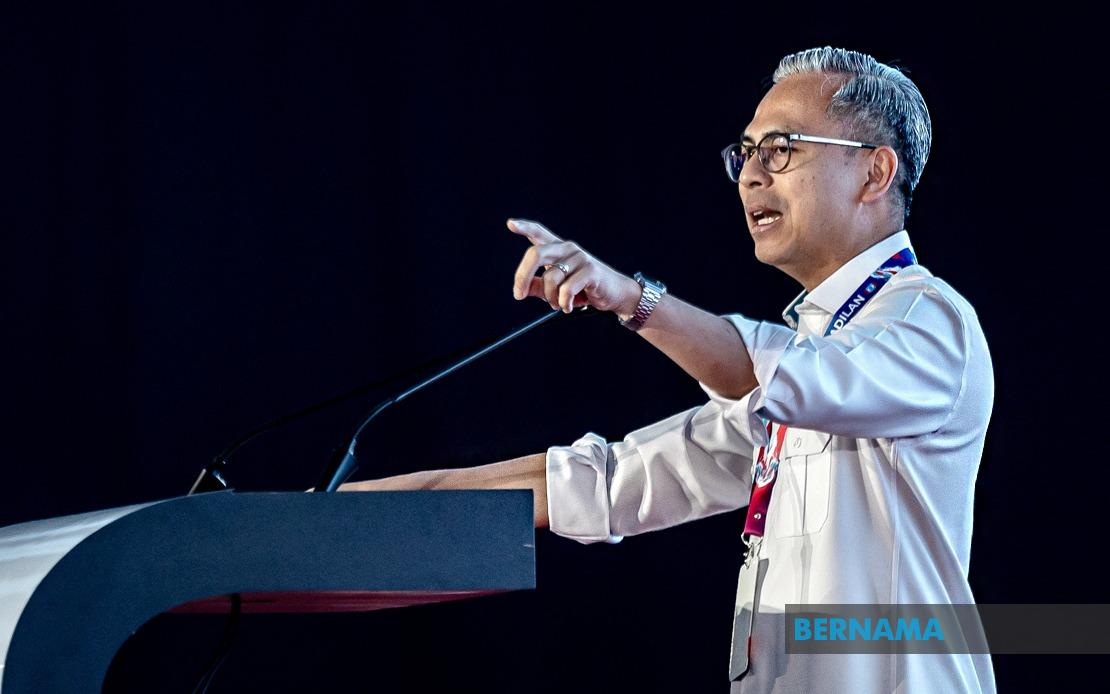
Communications Minister Datuk Seri Fahmi Fadzil has highlighted a positive shift in how Malaysians engage with their national flag, reporting that citizens are demonstrating heightened awareness of the Jalur Gemilang's specific design elements. Speaking in Melaka on August 16 following the Ziarah Kasih programme, Fahmi observed that members of the public are increasingly conscious of the flag's stripe count and colour composition, particularly as the National Month celebrations approach.
The growing attentiveness to the Jalur Gemilang's specifications represents a broader cultural development within Malaysian society. Rather than treating the national flag as a mere ceremonial object, Malaysians are now actively verifying its correctness and taking personal responsibility for ensuring proper display. This shift suggests that heightened patriotic sentiment during the National Month period is translating into tangible behavioural changes, with citizens becoming custodians of national symbols through their increased vigilance.
Fahmi emphasised that this heightened awareness translates into community-level enforcement of flag protocol. The minister noted that Malaysians have developed an informal system whereby individuals correct one another and offer guidance regarding proper flag specifications and display practices. This grassroots approach to maintaining national symbol integrity occurs without government intervention, demonstrating organic community engagement with matters of national pride.
The Communications Ministry has not received new complaints regarding improper flag displays, which Fahmi attributed partly to this rising consciousness among the general population. However, he acknowledged being aware of an incident in Batu Buruk, Terengganu, where an allegedly incomplete Jalur Gemilang was displayed, though he deferred handling of that matter to the relevant authorities conducting an investigation.
Amongst vehicle owners, a pragmatic trend has emerged that balances patriotic expression with vehicle preservation. Rather than affixing physical flags to their automobiles, many Malaysians have begun adopting magnetic Jalur Gemilang stickers. This development reflects both the desire to display national pride during festive periods and concern about potential damage to vehicle paintwork and bodywork. Fahmi characterised this shift positively, noting that magnetic stickers offer convenience and flexibility for vehicle owners who wish to demonstrate their patriotism without risking their vehicles' aesthetic integrity.
Preparations for the nation's upcoming National Day and Malaysia Day celebrations are advancing according to schedule, with Fahmi confirming that logistical arrangements are progressing smoothly. These preparations encompass contingent mobilisation, coordinated performances by the Ministry of Education involving human graphic displays, and comprehensive logistics management centred in Putrajaya. The ministry's coordination efforts reflect the scale and complexity involved in orchestrating nationwide commemorative events.
The Communications Ministry has scheduled a series of coordination meetings to ensure seamless execution of these celebrations. A National Day coordination session is set for August 17, while a virtual meeting addressing Malaysia Day arrangements is planned for August 24. These meetings will bring together relevant stakeholders to address final preparations and resolve any outstanding logistical or administrative matters.
Two significant Merdeka Eve events will anchor the National Month festivities in Kuala Lumpur. The Ministry of National Unity will organise a gathering at Merdeka Stadium, which will feature a special address from Prime Minister Datuk Seri Anwar Ibrahim. Concurrently, Kuala Lumpur City Hall (DBKL) will oversee a separate event at Dataran Merdeka, ensuring that multiple venues facilitate widespread public participation in the capital's celebrations.
Beyond his role overseeing communications and national celebrations, Fahmi, who serves as government spokesperson under the MADANI administration, visited two elderly stroke patients in Melaka to assess their welfare needs. His engagement with R. Sathia Devi, 70, at Pangsapuri Kiara, Batu Berendam and Abu Zarin Nordin, 64, at Kampung Tun Razak, Bukit Katil, focused on identifying specific assistance requirements for individuals requiring ongoing support.
The minister's visits highlighted the government's multifaceted approach to social welfare, extending beyond immediate material assistance. Fahmi identified several intervention areas including milk supply provision, coordination with the Social Welfare Department (JKM), and rehabilitation treatment. His commitment to follow-up measures, including exploration of alternative therapeutic approaches such as acupuncture, demonstrates a holistic consideration of patients' recovery and quality-of-life improvements.
Fahmi acknowledged the role of the Information Department in identifying families requiring targeted assistance, emphasising inter-agency coordination as essential for effective welfare delivery. This approach reflects broader government strategy to systematically identify vulnerable populations and tailor interventions to address their specific circumstances. The minister's direct engagement with beneficiaries ensures that government support mechanisms function responsively rather than through distant bureaucratic channels, building public confidence in welfare systems during a period emphasising national unity and collective responsibility.

