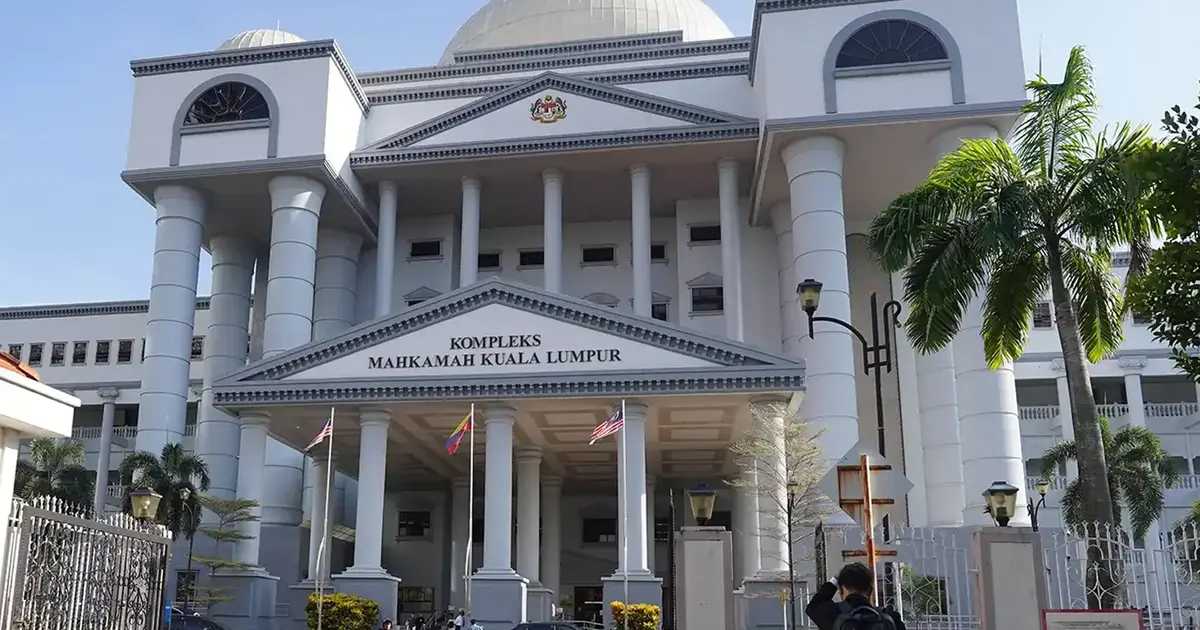
The High Court in Malaysia has concluded a prolonged legal battle by declining to overturn a correction directive issued by Singapore's home ministry, determining that Malaysian courts possess no authority to compel their government to assist a rights advocacy group in resisting orders from a neighbouring state's regulatory apparatus.
This decision marks the culmination of six years of litigation by the Law and Foreign Policy Initiative (LFL), which sought to challenge a correction notice it received under Singapore's Protection from Online Falsehoods and Manipulation Act, commonly known as Pofma. The group had petitioned the Malaysian court to intervene and support their resistance to Singapore's directive, arguing that the order infringed upon their rights and warranted judicial review at the domestic level.
The judges determined that the court did not possess the jurisdictional scope necessary to compel Malaysia's government to actively support the rights organisation in countering the foreign regulatory action. This ruling underscores the boundaries of Malaysia's judicial authority when matters involve directives from another sovereign nation. The decision reflects broader complexities around how national courts navigate cross-border disputes involving free speech and regulatory compliance obligations.
Singapore's Pofma legislation has become a focal point of international scrutiny since its enactment, with critics arguing that it grants excessive power to officials and potentially chills legitimate discourse and reporting. The law permits government ministers to issue correction directives when they determine that false statements have been published, requiring publishers to carry corrections and warnings alongside the original content. Multiple regional and international media organisations, advocacy groups, and legal experts have questioned whether the act adequately protects freedom of expression and journalistic independence.
For Malaysian observers, this case illuminates the practical difficulties that emerge when civil society organisations operate across borders and encounter regulatory barriers. The LFL's extended legal campaign demonstrates both the determination of rights groups to contest government directives and the limited remedies available through domestic courts when international issues are involved. The six-year timeline itself signals how protracted and resource-intensive such constitutional challenges can become.
The ruling carries implications for how Malaysia and other Southeast Asian nations approach requests for assistance from citizens or organisations confronting foreign regulatory actions. It suggests that courts will generally not intervene to help domestic parties resist directives from other governments, even when fundamental rights may be at stake. This boundary reflects the principle of sovereignty and the recognition that each nation's judicial system operates within defined territorial limits.
Singapore's government has maintained that Pofma serves to protect the public from deliberate misinformation and maintains democratic integrity online. Officials have consistently defended the law's implementation and rejected international criticism as external interference in Singapore's internal regulatory framework. However, observers including lawyers, journalists, and academics have documented instances where the act has been applied to environmental groups, opposition figures, and media organisations, raising questions about potentially arbitrary enforcement.
The LFL case represents one of several challenges to Pofma originating from outside Singapore, reflecting growing discomfort among transnational civil society networks with the legislation's scope and application. The dismissal in Malaysia's High Court may discourage similar strategies elsewhere in the region, as it clarifies that neighbouring jurisdictions will not serve as venues to contest foreign government directives through domestic constitutional mechanisms.
For Malaysia's legal and civil society communities, the decision underscores the importance of understanding jurisdictional limitations when navigating disputes that span national boundaries. Rights organisations operating regionally must now recognise that Malaysian courts will not serve as proxies for challenging decisions made by other governments. This reality may reshape how transnational advocacy groups strategise their responses to regulatory orders from Singapore and other neighbouring states.
The broader Southeast Asian context makes this ruling significant, as regional governments have increasingly implemented laws regulating online speech and content. Thailand, Vietnam, and Indonesia all possess legislation that critics argue restricts legitimate expression, mirroring concerns raised about Pofma. The Malaysian court's decision to remain within its territorial boundaries suggests that judicial systems throughout the region will similarly refrain from challenging foreign regulatory actions, even when rights concerns motivate the challenges.
Looking ahead, organisations like the LFL may need to pursue alternative strategies, including appealing to international human rights bodies, seeking support from international media organisations, or directly challenging directives through Singapore's own courts. The dismissal in Malaysia's High Court closes one legal avenue but does not necessarily end the broader conversation about Pofma's compatibility with international norms regarding freedom of expression and access to information.
The LFL's experience demonstrates that six years of litigation can yield a straightforward jurisdictional conclusion, leaving the underlying substantive questions about Pofma's legitimacy unresolved in any court. This outcome exemplifies the structural challenges that emerge when civil society operates across borders in a region where each nation fiercely guards its regulatory autonomy, even as transnational flows of information and advocacy continue to intensify.

