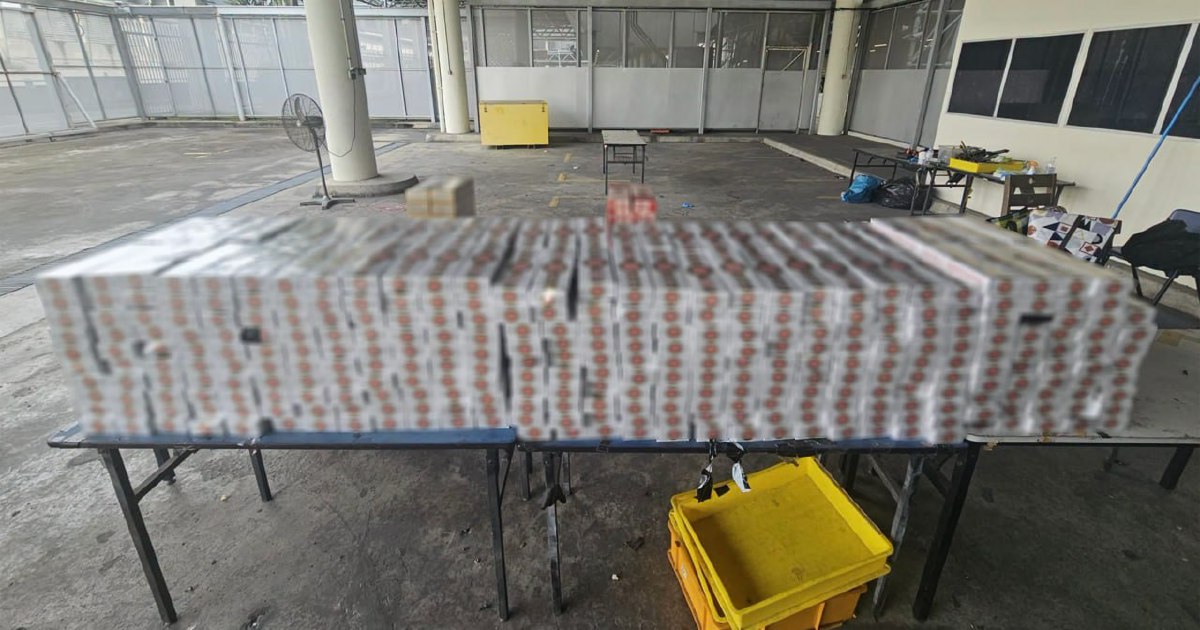
Singapore's enforcement agencies have arrested a 30-year-old Malaysian man at the Woodlands Checkpoint following the discovery of an extensive cache of duty-unpaid cigarettes concealed within his vehicle. The seizure, which comprised over 700 cartons and 100 individual packets of contraband tobacco products, represents another significant bust in Singapore's ongoing battle against cigarette smuggling across the Malaysia-Singapore border.
The arrest underscores the persistent challenge authorities on both sides of the Causeway face in combating illicit trade in tobacco products. Cigarette smuggling remains one of the most common forms of contraband movement between Malaysia and Singapore, driven by substantial tax differentials and the high excise duties imposed on cigarettes in Singapore. The disparity in taxation creates powerful economic incentives for individuals to transport untaxed products across the border, generating profits for themselves or larger smuggling networks.
Woodlands Checkpoint, situated at the northern entry point to Singapore, continues to be a critical interception point for customs and excise enforcement. The volume of daily traffic flowing through this checkpoint—comprising hundreds of vehicles daily—presents enforcement authorities with the ongoing challenge of identifying contraband while maintaining reasonable processing times. The discovery at this particular checkpoint reinforces that despite the high-traffic environment, Singapore's inspection protocols remain effective at catching substantial illegal shipments.
The 700-plus cartons seized represent a considerable quantity of cigarettes by any measure. At typical retail volumes, such quantities would constitute inventory for resale operations rather than personal consumption. This scale suggests the individual may have been part of a broader smuggling network operating along the Malaysia-Singapore border, or was attempting to establish a distribution chain within Singapore itself. The organised nature of the concealment strategy indicates planning and intent to evade detection rather than casual smuggling.
Singapore maintains some of the world's highest excise duties on cigarettes, with taxation levels designed to discourage consumption through pricing mechanisms. These policies have proven effective in reducing smoking prevalence among the population, though they simultaneously create the market conditions enabling smuggling operations. Cigarettes purchased legally in Malaysia at substantially lower prices become valuable commodities when transported into Singapore's high-tax environment, where they can be sold at prices undercutting legitimate retailers while still generating significant profit margins.
For Malaysian authorities, the incident highlights ongoing concerns about cigarette production and export from Malaysia. While Malaysia itself produces cigarettes legally through regulated manufacturers, the scale and frequency of smuggling attempts suggest that products manufactured for legitimate domestic consumption are regularly diverted into cross-border trafficking networks. The responsibility for prevention extends to monitoring production facilities, distribution channels, and key trafficking corridors to intercept products before they leave Malaysian jurisdiction.
The arrest carries potential consequences for the accused individual, who now faces Singapore's customs and excise enforcement regime. Penalties for smuggling contraband goods into Singapore are substantial and can include significant fines and imprisonment depending on the quantity involved and whether the prosecution establishes intent to profit from the contraband. Such enforcement actions serve as deterrents for other would-be smugglers, though the persistence of attempts suggests that for many individuals, the potential profit justifies the risk of detection and prosecution.
This seizure forms part of a broader pattern of cross-border smuggling activity that Singapore's authorities address through multiple strategies. Beyond checkpoint inspections, enforcement extends to intelligence operations, surveillance of suspected smugglers, and coordination with Malaysian authorities to target trafficking networks at their source. The effectiveness of such cooperation between neighbouring countries remains vital to disrupting organised smuggling operations rather than merely intercepting individual shipments.
For businesses operating legitimately in the tobacco sector across Malaysia and Singapore, such enforcement actions create both risks and opportunities. Companies complying with regulations and paying appropriate duties face competition from illicit traders who avoid taxation entirely. The enforcement actions, while imperfect in preventing all smuggling, help level the playing field for legitimate retailers who contribute through tax revenue to government treasuries in both nations.
The incident also reflects broader consumer trends in Southeast Asia regarding tobacco consumption. As governments across the region implement increasingly strict regulations, higher taxation, and stricter anti-smoking policies, the gap between prices in different jurisdictions widens, creating ever-stronger incentives for cross-border smuggling. Singapore's position as a high-price jurisdiction in the region makes it a particularly attractive market for smugglers seeking to exploit the taxation differential.
Looking forward, the Woodlands Checkpoint bust represents both a success for enforcement and an indication that significant contraband flows continue to attempt passage through legal border crossing points. The challenge for authorities lies in maintaining detection rates while processing the enormous volume of legitimate cross-border trade. Future enforcement effectiveness will likely depend on technological enhancement to inspection capabilities, continued intelligence-led operations targeting known smuggling networks, and sustained cooperation between Malaysian and Singapore authorities to address supply-side factors driving the illicit trade.

