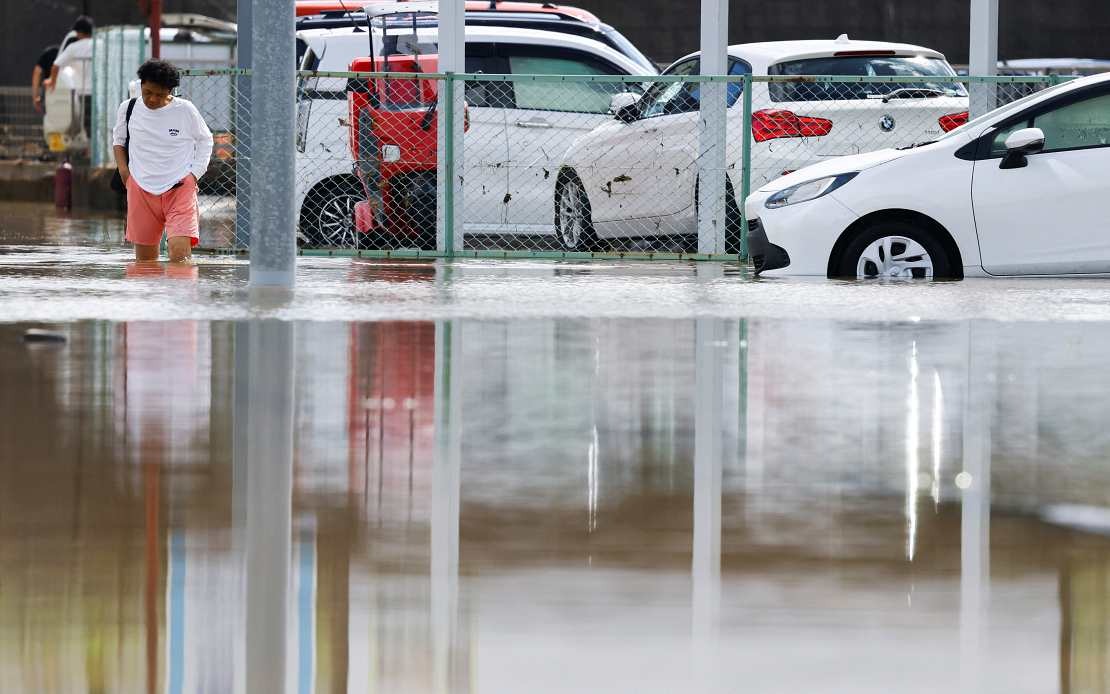
The Malaysian Embassy in Tokyo has issued a comprehensive advisory urging Malaysian nationals currently in Japan to curtail all unnecessary travel and maintain heightened awareness as the Kanto region faces an unprecedented natural disaster. The directive comes in response to torrential rainfall that has unleashed severe flooding across Chiba Prefecture and neighbouring areas, creating widespread chaos in one of Japan's most densely populated regions.
The scale of the transportation disruption is extraordinary by Japanese standards. Both road and rail networks serving the greater Tokyo area have sustained critical damage, effectively isolating numerous communities and stranding tens of thousands of individuals. Most notably, approximately 7,000 travellers found themselves trapped overnight at Narita International Airport after flooding rendered key transport corridors inaccessible, preventing the normal flow of passengers to and from Japan's primary international gateway.
The meteorological situation underlying this disaster reflects the severity of the weather system. Japan's Meteorological Agency issued its maximum Level 5 rain warning—a classification reserved for the most dangerous precipitation events—for more than one-third of all municipalities across Chiba Prefecture neighbouring Tokyo. This alert category indicates conditions posing an extreme threat to life and property, triggering coordinated emergency responses from local and national authorities.
The human toll of the disaster continues to mount. Official reports compiled by Kyodo News confirm at least eight fatalities directly attributed to the flooding, though authorities acknowledge that casualty figures may rise as rescue operations continue and damage assessments progress across affected areas. The death toll underscores the genuine peril posed by the weather system and justifies the embassy's urgent warnings to Malaysian citizens.
The evacuation response has been immense. At its peak, authorities issued evacuation orders affecting more than 400,000 residents across Chiba Prefecture, reflecting official assessment that danger remained substantial even after the heaviest rainfall had subsided. This figure represents one of the largest mass evacuation operations conducted in the region in recent years and demonstrates the extent of infrastructure damage and ongoing hazards facing residents and visitors alike.
The Malaysian Embassy has provided Malaysian nationals with specific guidance on protective behaviour during the emergency. Citizens have been instructed to remain distant from flooded areas and topographically low-lying zones that remain vulnerable to further inundation. The advisory emphasises the importance of sustained vigilance, continuous monitoring of local conditions, and close attention to transport updates disseminated by Japanese authorities. Equally crucial are evacuation notices and directives issued by Japanese emergency management agencies, which Malaysian nationals should treat as mandatory guidance.
Access to reliable information has become essential as the situation evolves. The embassy has directed Malaysian citizens to the Japan Meteorological Agency's official website at www.jma.go.jp/jma/indexe.html for current weather forecasts, active warnings, and detailed advisories. This resource provides real-time data on rainfall intensity, flood risk, and expected weather patterns, enabling individuals to make informed decisions about movement and activity.
Emergency contact procedures have been established to ensure Malaysian nationals can access support if circumstances become critical. During regular office hours, the Embassy of Malaysia in Tokyo can be reached at +81-3-3476-3840. For situations requiring immediate assistance outside business hours, a dedicated emergency hotline operates at +81-70-1471-9756. These numbers provide direct pathways to consular staff capable of rendering emergency assistance, facilitating evacuations, or connecting citizens with Japanese rescue and medical services.
Multiple communication channels have been established to accommodate varying circumstances and preferences. Beyond telephone contact, Malaysian nationals experiencing difficulties may reach the embassy through electronic correspondence directed to [email protected] or [email protected]. Email communication proves particularly valuable for individuals without immediate access to voice connectivity or those documenting emergency situations requiring written records.
The advisory reflects broader regional vulnerability to extreme weather events. Japan experiences seasonal typhoons and heavy monsoon rainfall, though precipitation of this magnitude and destructive intensity remains unusual even by Japanese standards. The disaster illustrates how climate variability continues to generate extraordinary weather systems that challenge infrastructure designed for normal operating conditions, necessitating emergency responses from governments, airlines, and utility providers.
For Malaysian travellers and residents in Japan, this incident underscores the importance of travel insurance, emergency preparedness, and maintaining communication with diplomatic missions. While Japan maintains exceptionally high standards for public safety and disaster response, unprecedented natural events can overwhelm systems and create genuine hardship, particularly for foreign nationals unfamiliar with Japanese emergency protocols or language communication.
The situation also highlights interdependencies within global transportation networks. Narita International Airport's partial paralysis affects not only travellers attempting to depart Japan but also international supply chains, business operations, and travel plans across the broader region. Malaysia and Japan maintain substantial trade relationships and tourism flows, meaning transportation disruptions in Tokyo's vicinity inevitably affect Malaysian economic interests and citizen welfare.
Authorities anticipate the situation will gradually normalise as rainfall subsides and repair operations progress, though comprehensive restoration of transport networks typically requires weeks or months following major flooding events. Malaysian nationals should maintain contact with their employers, educational institutions, and travel providers while closely monitoring official guidance from both Japanese authorities and the Malaysian Embassy regarding resumption of normal operations.

