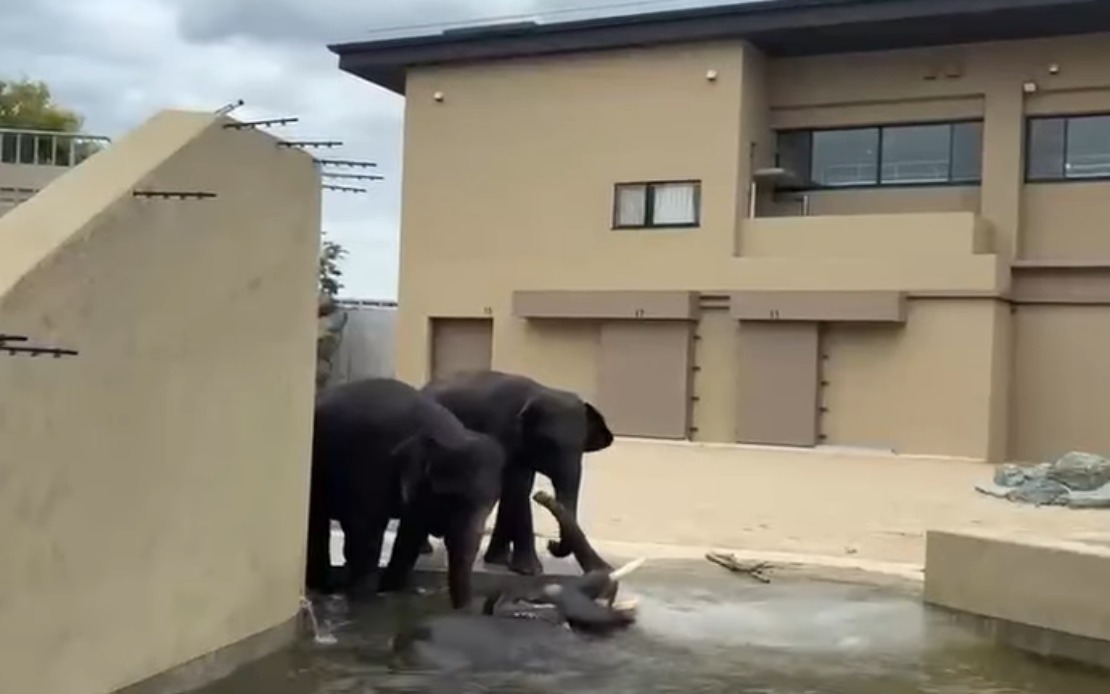
Three female elephants from Malaysia—Dara, Amoi, and Kelat—are flourishing at Tennoji Zoo in Japan, according to the latest health assessments released by Taiping Municipal Council. The trio, collectively known as DAK, have demonstrated encouraging physical development, with each animal registering measurable improvements in their overall condition since arriving at the facility. The most dramatic gains came from Kelat, who has put on 260 kilograms, while her companions Dara and Amoi have gained 35 kilograms and 30 kilograms respectively, signalling positive adaptation to their new environment.
The wellbeing of these three elephants represents a significant milestone in Malaysia's international wildlife cooperation efforts. Taiping Municipal Council president Mohamed Akmal Dahalan emphasised in a statement that the animals remain in robust health and maintain active lifestyles at the Japanese zoo. The council has prioritised transparency regarding the elephants' care, responding to what appears to be mounting public scrutiny over their relocation and current living conditions.
Dietary management has emerged as a cornerstone of the elephants' care regimen at Tennoji Zoo. The nutritional programme combines traditional elephant feed staples with a carefully calibrated approach designed specifically for the species' requirements. Hay forms the foundation of their daily intake, providing essential fibre, while supplementary foodstuffs including bamboo shoots, fresh grass, and cabbage offer variety and additional nutrients. Zoo nutritionists have also incorporated specialised elephant pellets formulated to address any dietary gaps and support optimal health outcomes.
The feeding programme underscores the coordination between Malaysian authorities and Japanese zoo management in maintaining international standards for animal care. Veterinary officers from Tennoji Zoo continuously monitor the elephants' dietary intake and nutritional status, adjusting portions and composition as needed. This level of professional oversight reflects the sophisticated approach required for managing large terrestrial mammals in captive settings, particularly when those animals originate from different geographic and climatic regions.
The three elephants arrived in Japan under a formal international cooperation framework established through successive agreements signed in May and October 2022 between Tennoji Zoo and Zoo Taiping & Night Safari, with Taiping Municipal Council serving as the Malaysian representative. The partnership extends across an ambitious 25-year period, cementing a long-term commitment to collaborative animal management and research between the two institutions. This extended timeframe suggests substantial confidence in the arrangement from both Malaysian and Japanese partners.
Monitoring protocols remain ongoing to ensure sustained welfare standards. Taiping Municipal Council has committed to continuous oversight in partnership with the Department of Wildlife and National Parks Peninsular Malaysia, creating a dual-layer surveillance system that maintains accountability while honouring the international agreement. This collaborative approach allows Malaysian authorities to retain direct involvement in decisions affecting the elephants' care, demonstrating that their relocation did not constitute a complete transfer of responsibility.
The council's statement included a notable emphasis on transparency and factual discourse surrounding the elephants' situation. Mohamed Akmal highlighted the importance of basing concerns about animal welfare on verified information and professional assessments rather than unsubstantiated allegations. This framing suggests that public debate around the elephants has intensified, with various stakeholders questioning whether the relocation serves conservation objectives or raises ethical concerns about captive elephant management.
Malaysia's elephant conservation narrative extends beyond the three animals at Tennoji Zoo. The country faces ongoing challenges in protecting its wild elephant populations from habitat loss, human-wildlife conflict, and poaching. International cooperation programmes like the Tennoji Zoo arrangement offer potential benefits for species research, genetic diversity documentation, and public education about elephant biology and behaviour. When structured appropriately, such initiatives can generate resources and knowledge that support broader conservation objectives.
Public perception management has become integral to defending the arrangement. The council's insistence on respecting public opinion while simultaneously urging factual accuracy reflects awareness that elephant welfare resonates emotionally with Malaysian and global audiences. This sentiment has intensified globally as scientific understanding of elephant cognition, emotional complexity, and social requirements has deepened, raising scrutiny of captive elephant programmes worldwide.
The weight gains reported across all three animals provide the most objective metric available for assessing their physical condition. Stable or increasing body mass generally indicates adequate nutrition and absence of acute health stressors, though it does not capture the full spectrum of welfare considerations relevant to highly intelligent, socially complex creatures. The announcement of these positive metrics appears designed to anchor public discussion in quantifiable health data rather than philosophical debates about captivity.
Moving forward, the elephants' continued progress at Tennoji Zoo will likely remain subject to scrutiny from animal welfare advocates, conservation specialists, and the Malaysian public. The commitment to transparency and ongoing monitoring provides mechanisms for addressing concerns systematically. Whether international cooperation arrangements of this type ultimately serve global elephant conservation or represent a pragmatic compromise that permits certain individuals to thrive while raising broader questions about captive management remains contested terrain in modern wildlife policy.

