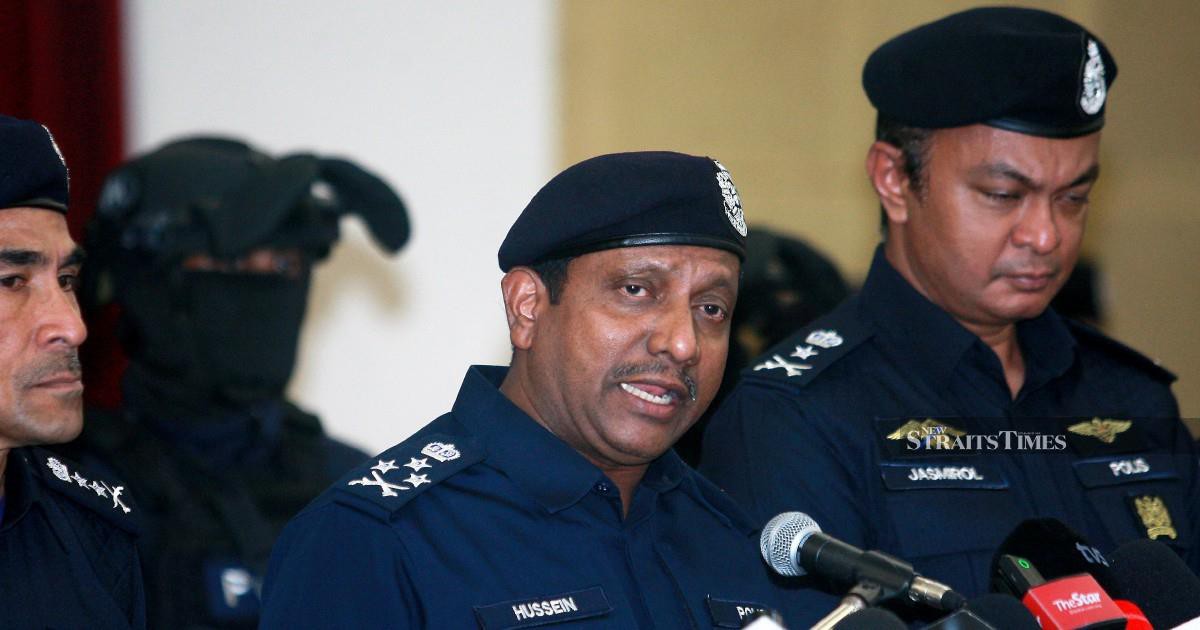
Four officers from Malaysia's Bukit Aman Narcotics Crime Investigation Department have travelled to Jakarta, moving a high-profile drug case into its next operational phase. The team arrived in the Indonesian capital this morning and secured a brief but critical two-day window to conduct interviews with a Malaysian pilot held in custody by Indonesian authorities. The deployment underscores the intensifying cross-border dimensions of narcotics enforcement in Southeast Asia, where coordinated action between national agencies has become essential to tracking illicit trafficking networks.
The decision to grant Malaysian investigators direct access to the detained pilot represents a pragmatic approach to international law enforcement cooperation, even as it highlights the jurisdictional complexities surrounding drug offences that span multiple nations. Indonesia's authorities appear willing to facilitate the interview process, suggesting a willingness to exchange information and coordinate investigative efforts rather than operate in isolation. Such bilateral engagement, while routine at operational levels, carries particular weight in narcotics investigations where intelligence sharing can dismantle larger trafficking operations.
The timing and scope of the visit—two days—suggests a carefully managed arrangement. Malaysian investigators must complete their questioning within this narrow window, presenting significant logistical and investigative pressure. The compressed timeline reflects both Indonesian sovereignty over proceedings in their jurisdiction and the practical reality that extended access would require formal legal frameworks more complex than what has apparently been arranged. This constraint means the NCID team will have come prepared with specific lines of inquiry and documentation needed to extract maximum intelligence.
For Malaysia's narcotics enforcement apparatus, the case represents a critical opportunity to gather firsthand accounts of trafficking methods, supply chains, and potential networks operating across the region. Pilots occupy a particular concern in drug enforcement circles throughout Southeast Asia, given their access to aircraft, international flight corridors, and ability to move across borders with reduced scrutiny. Understanding the specifics of how this particular individual became entangled in narcotics operations could provide broader insights into vulnerabilities within aviation security and recruitment tactics employed by trafficking organisations.
The international dimension also reflects broader changes in how organised crime operates across Southeast Asia. Drug trafficking networks increasingly exploit the region's complex aviation infrastructure, porous borders in certain areas, and sophisticated logistics systems. A Malaysian pilot detained in Jakarta suggests operations coordinated across countries, potentially involving Indonesian, Malaysian, and possibly other Asian criminal syndicates. The cross-border investigation becomes necessary to map these connections fully and identify other individuals or assets involved in the operation.
Indonesia's cooperation in granting access speaks to the relative maturity of law enforcement relations between the two neighbouring countries. Both nations share significant maritime borders, overlapping criminal jurisdictions, and common threats from trafficking organisations. Regular intelligence sharing and operational coordination have become institutionalised, though individual cases still require case-by-case negotiation and goodwill. This particular arrangement suggests confidence between the agencies that controlled questioning will serve mutual interests rather than compromise either nation's investigation.
The Malaysian authorities' willingness to deploy investigators to Jakarta rather than requesting prisoner transfer or conducting interviews through formal diplomatic channels indicates both the seriousness of the case and the impracticality of removing the suspect from Indonesian territory. Flight arrangements, security protocols, and the political sensitivities around moving foreign nationals through immigration systems make on-site investigation the more efficient option. The Bukit Aman team's presence in Jakarta also allows them to gather contextual information, liaise with Indonesian counterparts, and access evidence held in Indonesian custody.
For Malaysian citizens following this case, the deployment underscores both the reach of international drug trafficking and the government's commitment to pursuing suspected offenders across borders. The pilot's arrest and Malaysia's subsequent investigation efforts signal that being a citizen abroad provides no sanctuary from narcotics laws. The case also reflects the reality that trafficking infrastructure spans multiple nations and that effective enforcement requires cooperation transcending national boundaries, even among countries with their own complex relationships and competing interests.
The investigation will likely continue well beyond this two-day window. The Jakarta interviews represent a single phase in what could be a prolonged process involving witness statements, forensic analysis, financial investigations, and potential prosecutions in multiple jurisdictions. The NCID team's findings from these sessions will inform ongoing inquiries in Malaysia and potentially shape how authorities pursue other suspected members of any larger trafficking network that may be implicated.
As drug enforcement agencies across Southeast Asia increasingly confront trafficking operations organised on transnational scales, cases like this demonstrate both the necessity and feasibility of coordinated action. The willingness of Indonesian authorities to grant access, and Malaysia's proactive deployment of investigators, suggests a regional commitment to disrupting narcotics flows. However, the two-day timeframe also reflects the inherent limitations of such arrangements—brief windows of opportunity that demand efficiency, preparation, and clear investigative priorities from agencies working under significant time pressure. The outcome of this Jakarta phase will likely determine the scope and direction of Malaysia's continued involvement in what appears to be an increasingly complex international case.

