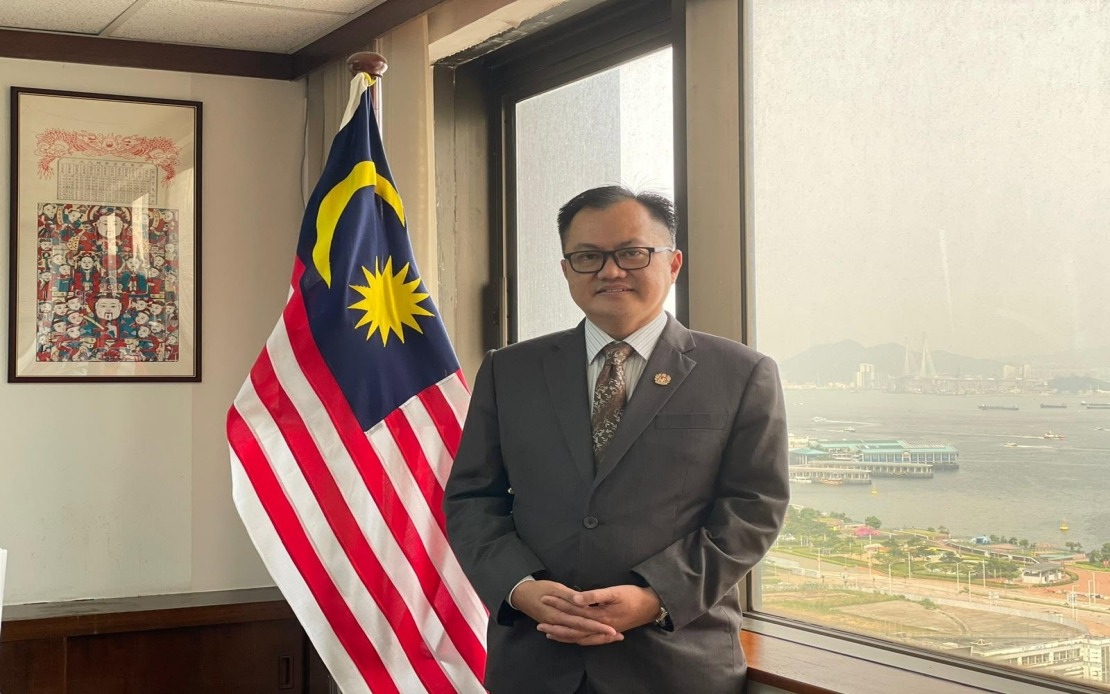
The Consulate General of Malaysia in Hong Kong has responded robustly to international media coverage suggesting that overseas Malaysian voters encountered obstacles during the recent Johor state election, emphasizing instead the breadth of its communication efforts and the modernisation of the electoral process for citizens abroad. Consul General Muzambli Markam issued a detailed rebuttal to the South China Morning Post's July 9 reporting, asserting that the diplomatic mission had deployed a comprehensive strategy to keep Malaysian voters informed and engaged throughout the campaign period.
According to Muzambli, the Consulate implemented what he characterised as a "proactive communication strategy" that extended across multiple channels and platforms. The mission regularly published advisories and instructional materials on its official digital channels, ensuring that voters in Hong Kong had access to current information about registration procedures, voting deadlines, and electoral mechanics. Beyond its own institutional communications, the Consulate worked in tandem with the Malaysian Association of Hong Kong, a key community organisation, to amplify messaging and ensure that information reached diverse segments of the overseas Malaysian population through trusted local networks.
The Consul General took particular exception to the framing of the original article's headline, which suggested that overseas Malaysians were "locked out" of voting opportunities. Muzambli argued that this characterisation misrepresented both the commitment of Malaysia's Election Commission and the broader government approach to expanding and facilitating democratic participation among diaspora citizens. He contended that the narrative presented by the international media outlet obscured the genuine efforts being made to support electoral engagement and overlooked the substantive outreach work already underway.
Crucially, Muzambli noted that when the South China Morning Post's journalist approached the Consulate prior to publication, the mission had explicitly outlined the proactive communication strategy being deployed specifically for the Johor state election. The subsequent article, he suggested, failed to incorporate this crucial context, resulting in reporting that did not accurately reflect either the Consulate's actions or the broader institutional infrastructure supporting overseas voting. This omission, according to the Consul General, fundamentally distorted the narrative in a manner that was both inaccurate and misleading.
The Consulate also addressed a secondary criticism raised in the article regarding the absence of locally held voter statistics. Rather than accepting this as evidence of administrative deficiency, Muzambli reframed the situation as a deliberate design choice reflecting electoral modernisation. He explained that Malaysia's Election Commission has substantially upgraded and digitised the overseas voter registration system, enabling Malaysian citizens abroad to submit applications directly through a centralised portal called MySPR without requiring intermediation by diplomatic missions.
This digital-first approach represents a significant shift in how overseas voting is administered. By removing the Consulate as an intermediary in the registration workflow, the system establishes a direct connection between applicants and the electoral authority's database. Muzambli argued that this architectural choice was intentional, designed to streamline the process while simultaneously enhancing security and ensuring that registration information flows directly into official channels without passing through diplomatic infrastructure. Far from representing an administrative gap or shortcoming, he positioned this decentralisation as a feature of modern electoral administration.
The implications of this approach extend beyond administrative convenience. For Malaysian policymakers and election officials, the transition to digital-direct registration potentially addresses longstanding concerns about consistency, transparency, and security in overseas voting. By standardising the process through a single digital portal accessible to all overseas Malaysians, regardless of location or diplomatic representation, the system theoretically reduces opportunities for procedural variation or inconsistent application of rules. However, it also places considerable responsibility on individual voters to navigate digital systems and meet registration deadlines without relying on institutional support from nearby diplomatic missions.
For diaspora Malaysians, particularly those in major expatriate hubs like Hong Kong, the shift creates both opportunities and challenges. The MySPR portal removes geographical barriers and enables registration from home at any time, potentially increasing accessibility compared to traditional office-based systems. Conversely, it requires voters to possess digital literacy, stable internet access, and awareness of registration windows—factors that vary considerably across different overseas communities. The Consulate's argument that information was widely disseminated addresses the awareness dimension, yet questions remain about whether digital-first systems adequately serve all demographics within the diaspora.
The tension evident in this exchange between the Hong Kong Consulate and international media reflects broader questions about how diaspora engagement is measured and evaluated. The media coverage implicitly suggested that overseas voting barriers exist when information diffusion is uneven or when registration processes create friction. The Consulate's counter-argument emphasises the scale of outreach efforts and the modernisation of infrastructure, adopting metrics focused on communication volume and system capability rather than outcomes like registration rates or voting participation. Both perspectives contain validity, yet they measure success through different lenses.
For regional observers, the incident offers insights into how Malaysia's government conceptualises and manages its relationship with overseas citizens during major electoral moments. The Consulate's vigorous defence of its record suggests institutional sensitivity to criticisms that diaspora engagement has been neglected, while its emphasis on digital infrastructure reflects a broader governmental shift toward technology-enabled administration. Whether these investments in digital systems and communication strategies sufficiently bridge the information gaps that occasionally isolate overseas voters from domestic electoral processes remains an open question requiring closer scrutiny through voter surveys and participation data.
The Malaysian government has reiterated its commitment to facilitating the democratic participation of citizens abroad through both enhanced digital infrastructure and sustained diplomatic engagement. As overseas Malaysian communities continue to grow and as state elections become increasingly significant electoral contests, the mechanisms through which diaspora citizens engage with voting will likely attract continued scrutiny. The Johor election episode suggests that while institutional capacity for overseas outreach has improved, the perception gap between official efforts and citizen experience may persist, particularly when international media outlets amplify concerns about accessibility and inclusion.

