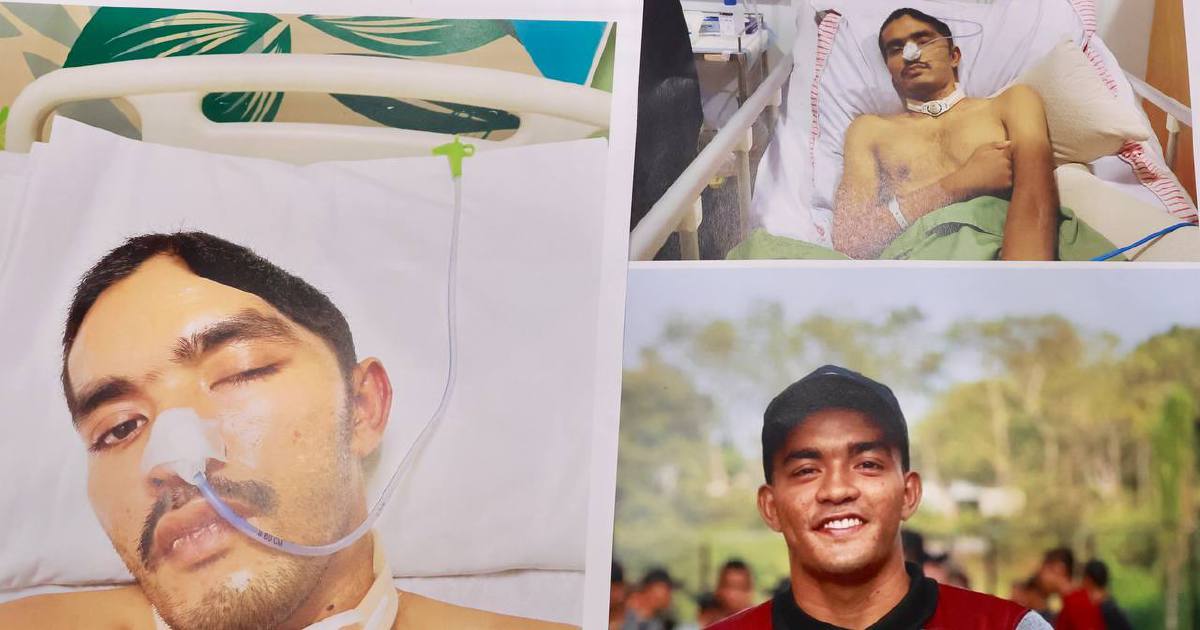
The Malaysian Army has finalised its internal investigation into the incident that resulted in severe injury to a commando at one of its facilities in Johor during March. According to military authorities in Kuala Lumpur, the conclusion of the probe has triggered disciplinary actions, with dismissals of implicated personnel now in progress. The completion of this investigation marks a significant development in what has proven to be a sensitive matter within the armed forces.
The incident, which unfolded at the military camp in Johor, prompted immediate internal scrutiny given the seriousness of the commando's injuries. Military investigations of this nature typically involve comprehensive examination of circumstances surrounding the incident, interviews with witnesses and involved parties, and detailed documentation of facts. The thoroughness of such probes is essential to establishing accountability and ensuring proper protocol adherence within the institution.
The progression from investigation completion to disciplinary implementation reflects the military's commitment to maintaining standards of conduct and safety within its ranks. When personnel face dismissal following an internal probe, it generally indicates that findings have established sufficient grounds for termination, whether through breach of protocols, negligence, or direct culpability in the injury. Such outcomes serve both punitive and preventative functions within military hierarchies.
For the Malaysian military context, incidents of this nature raise broader questions about workplace safety protocols and training standards within combat-focused units. Commandos typically undergo rigorous preparation that emphasises both physical conditioning and stringent safety measures. When injuries occur under questionable circumstances, they trigger institutional reflection on whether current safety frameworks adequately protect personnel during training and operational activities.
The public disclosure of this investigation's completion and subsequent dismissals signals the Army's intention to demonstrate accountability and maintain public confidence in its internal governance structures. Transparency regarding disciplinary outcomes, when disclosed within operational security parameters, reinforces institutional credibility and demonstrates that the military takes breaches seriously regardless of rank or position involved.
From a broader Southeast Asian perspective, military discipline cases in Malaysia often reflect patterns visible across the region's armed forces, where balancing operational effectiveness with personnel protection remains an ongoing challenge. The institutional response to such incidents influences military culture and sets precedents for how future violations are addressed, potentially affecting morale and retention among personnel.
The timing of the investigation's completion, several months after the March incident, aligns with typical military review timelines, which require thorough documentation and multiple levels of administrative verification before disciplinary actions become effective. This duration ensures that findings can withstand scrutiny and that all affected parties have adequate opportunity to present their accounts.
The implications for the implicated personnel extend beyond their individual circumstances. Dismissal from military service carries substantial consequences, including loss of benefits, career termination, and potential impact on future employment prospects. These outcomes serve as deterrents within the force, particularly for actions that endanger fellow servicemen.
For the injured commando and his family, the conclusion of the investigation and implementation of disciplinary measures may provide some closure regarding accountability. Military compensation frameworks and ongoing medical support typically accompany such cases, though the investigation's focus remains primarily on establishing responsibility for the incident.
Looking forward, the Malaysian Army will likely review its training protocols and safety oversight mechanisms to identify whether procedural enhancements could prevent similar incidents. Such institutional learning, while sometimes painful, strengthens overall operational readiness and personnel protection standards across the force.
The case underscores the military's dual responsibility to maintain operational capability while ensuring that personnel work within environments that prioritise their physical safety and wellbeing. As Malaysia continues developing its armed forces capabilities, incidents that prompt systemic review contribute valuable lessons to broader institutional development and reform efforts.

