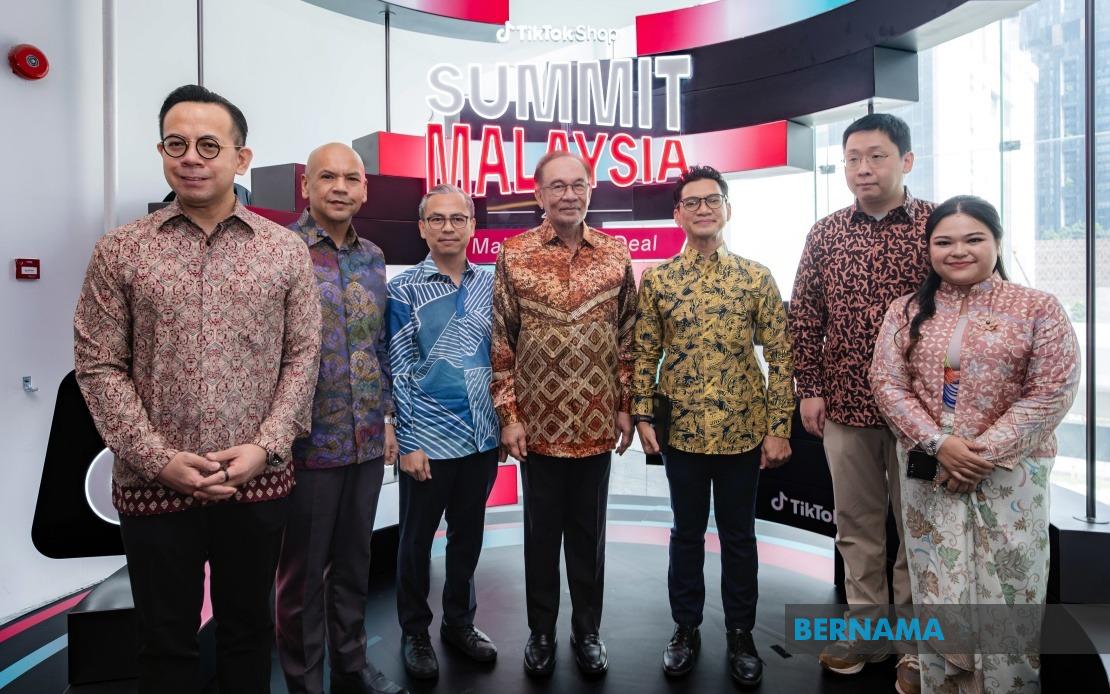
The Malaysian Communications Ministry is preparing significant legislative reforms to the Postal Services Act, with amendments expected to be introduced during Parliament's first or second sitting in 2025. Communications Minister Datuk Seri Fahmi Fadzil announced the initiative after attending the TikTok Shop Summit Malaysia, signalling the government's commitment to modernizing regulations governing the rapidly expanding courier and delivery sector.
The proposed revisions come amid growing concerns from law enforcement that weaknesses in the country's courier ecosystem have been systematically exploited by criminal syndicates. The Narcotics Criminal Investigation Department (JSJN), led by director Datuk Hussein Omar Khan, has flagged that illicit networks are using courier and ride-hailing services to transport prohibited substances across the nation. This vulnerability represents a significant gap in Malaysia's regulatory framework, which currently does not adequately cover all aspects of the modern delivery industry.
Fahmi's announcement reflects extensive groundwork undertaken by the Communications Ministry and the Malaysian Communications and Multimedia Commission (MCMC) over the past year. Engagement sessions with courier companies have formed a critical component of this consultation process, with ministry officials seeking cooperation from the private sector to ensure shipments do not involve security violations or items with legal complications. This collaborative approach acknowledges that effective regulation requires partnership between government agencies and industry stakeholders.
The amendment initiative specifically aims to bring the courier sector more comprehensively under the Postal Services Act's regulatory umbrella. Currently, the legislation contains gaps that leave certain delivery operations inadequately supervised. By expanding the Act's scope, the government intends to establish clearer accountability mechanisms throughout the supply chain. The Ministry of Transport has also been involved in these discussions, indicating that reforms will address broader logistics and delivery challenges beyond postal services alone.
Royal Malaysia Police (PDRM) has been instrumental in driving these regulatory changes, providing specific security recommendations based on operational intelligence gathered during law enforcement activities. The police force has made clear that tightening procedures across courier services, physical goods delivery, and peer-to-hailing platforms is essential to disrupting criminal operations. This law enforcement input has directly shaped the government's legislative agenda, demonstrating how security concerns are translating into concrete policy reform.
The timing of these amendments reflects Malaysia's broader effort to modernize its regulatory infrastructure as digital commerce and delivery services transform the economy. The TikTok Shop Summit, where Fahmi made his announcement with Prime Minister Datuk Seri Anwar Ibrahim in attendance, underscores the connection between e-commerce growth and the need for robust regulatory safeguards. As online shopping accelerates across Southeast Asia, Malaysia is positioning itself as a jurisdiction that balances commercial innovation with public safety.
For the courier industry itself, the amendments present both compliance challenges and potential opportunities. Companies currently operating in regulatory grey areas will need to adapt their procedures to meet strengthened security standards. However, formalized regulation could also enhance consumer trust and provide legitimate operators with competitive advantages over unregistered services. The consultation process undertaken over the past year suggests the government has attempted to design reforms that are workable for established industry players.
The legislative amendments carry implications extending beyond Malaysia's borders. As the country's e-commerce market grows and integration with regional logistics networks deepens, the strength of local regulatory frameworks directly affects the security of shipments moving throughout Southeast Asia. Stronger Malaysian regulations could create positive spillover effects, raising standards across regional supply chains and making it harder for criminal networks to exploit gaps in any single jurisdiction's oversight.
Implementation of the revised Postal Services Act will require coordination across multiple agencies including MCMC, PDRM, the Communications Ministry, and the Transport Ministry. Such inter-agency collaboration, already evident in the consultation phase, will be essential during enforcement. The government will need to establish clear procedures, provide training to relevant personnel, and develop technology systems capable of monitoring compliance across the diverse courier sector.
The amendments also signal Malaysia's response to a recognized gap between existing regulations and the reality of contemporary delivery operations. P-hailing services, which combine ride-hailing and goods delivery functions, exemplify how traditional regulatory categories no longer adequately capture modern commerce. By revising the Postal Services Act, the government is attempting to create legal frameworks that reflect how Malaysians actually send and receive goods in the digital era.

