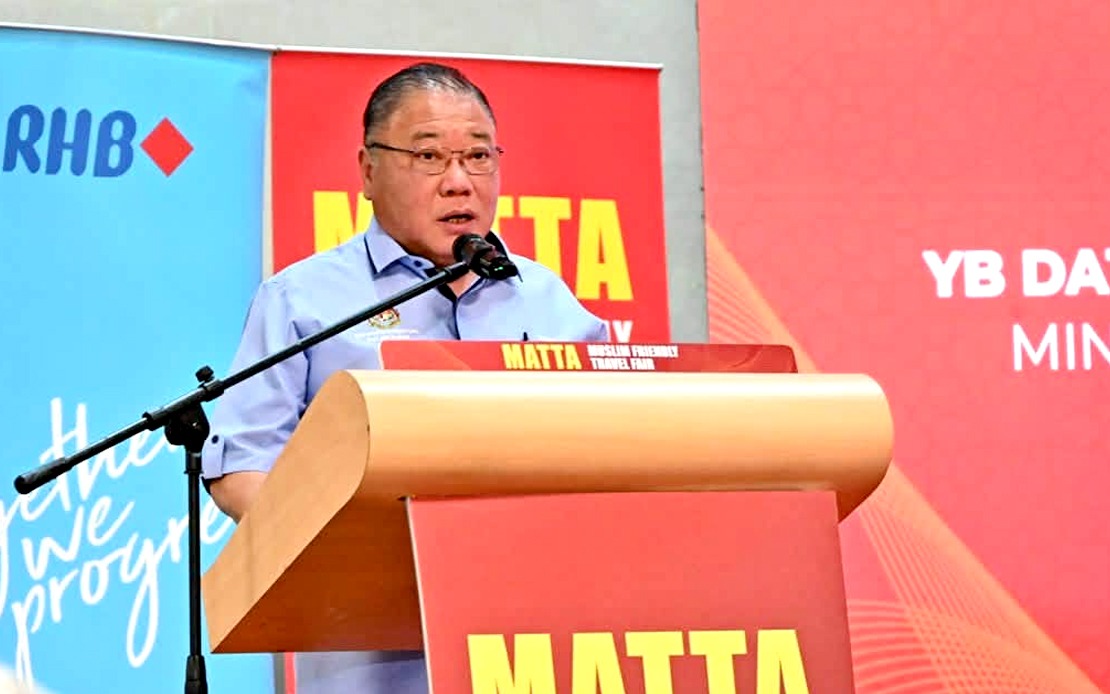
The Malaysian government is moving to regulate the umrah travel market through a floor-price system coupled with mandatory service standards, marking a significant intervention to protect pilgrims from exploitative practices in the religious tourism sector. Tourism, Arts and Culture Minister Datuk Seri Tiong King Sing outlined the initiative while speaking at the Malaysian Association of Tour and Travel Agents' Muslim Friendly Travel Fair 2026, signalling that authorities have elevated the issue to a policy priority across multiple government agencies.
The core mechanism will require travel operators to maintain a minimum package price threshold while providing transparent disclosure of what services that price includes. This dual approach addresses a persistent market failure where competitive pressure has driven some operators to offer packages at unsustainable rates, creating conditions where pilgrims may find themselves stranded abroad, unable to complete their religious obligations or return home. Tiong emphasised that such outcomes are unacceptable, framing the issue not merely as commercial but as a matter of personal welfare and religious dignity.
Coordination across government has been substantial, with Tiong noting that the Ministry of Tourism has engaged Tabung Haji, the hajj and umrah fund management authority, and the Ministry in the Prime Minister's Department (Religious Affairs). This multi-agency approach reflects recognition that umrah regulation touches religious affairs, consumer protection, and tourism development simultaneously. The involvement of Tabung Haji is particularly significant, as the institution has deep expertise in managing large-scale pilgrim movements and understands the real costs associated with delivering adequate accommodation, ground transportation, and guided services.
Operators will be permitted to create tiered offerings—Premium, Gold, Silver, and Platinum packages—allowing market segmentation while preventing race-to-the-bottom pricing. Each tier must maintain its respective minimum price floor, preventing operators from disguising budget packages under premium labels. This structure preserves consumer choice while establishing guardrails that ensure even economy options meet baseline safety and service standards. The categorisation also aligns with international best practices in regulated tourism markets where price transparency and service consistency are legally mandated.
The underlying concern driving this intervention reflects real incidents where pilgrims have faced hardship due to inadequate services. Beyond the financial and logistical chaos of being stranded, such situations create reputational damage for Malaysia's Muslim-friendly tourism brand. Pilgrims share experiences within their communities and networks; negative encounters during umrah travel propagate quickly through social channels, undermining Malaysia's positioning as a preferred destination for Islamic tourism.
Simultaneously, Tiong highlighted intensifying regional competition in the Muslim-friendly travel market. Macau's recent expansion of halal dining, Muslim prayer facilities, airport prayer rooms, and dedicated Muslim visitor information represents direct competition for the growing cohort of Muslim travellers from Southeast Asia, South Asia, and the Middle East. Malaysia's advantages—geographic proximity to major Muslim populations, established halal infrastructure, and cultural familiarity—are not permanent. Competitors are investing strategically to capture market share, necessitating that Malaysian industry players continually innovate and strengthen collaboration.
The umrah market holds particular significance for Malaysia's tourism economy. Umrah pilgrims typically spend across accommodation, dining, shopping, and ground transportation, generating multiplier effects throughout hospitality and retail sectors. However, the market's growth has been accompanied by quality fragmentation as smaller operators with limited resources entered the space. Price competition has become acute, with some packages priced so low that operators cannot deliver adequate services without cutting corners on safety, accommodation quality, or guide training.
The minimum pricing framework also addresses an information asymmetry problem. Many pilgrims, particularly first-time travellers or those from lower-income backgrounds, struggle to distinguish between genuinely competitive pricing and predatory underpricing. A regulatory floor creates a credible baseline that consumers can reference, reducing uncertainty and protecting vulnerable groups from exploitation. This consumer protection dimension resonates with broader government commitments to safeguard citizens in cross-border transactions.
Implementation will require coordination between the Ministry of Tourism and industry bodies like MATTA to establish pricing schedules and service specifications for each package tier. Enforcement mechanisms will likely involve licensing conditions for travel agents and monitoring of advertised packages. The government may also establish complaint procedures allowing pilgrims to report non-compliance, with remedies potentially including financial penalties or temporary licence suspension.
From a regional perspective, Malaysia's regulatory move may influence how other Southeast Asian nations approach umrah and hajj tourism. Indonesia, with significantly larger Muslim populations, has long grappled with similar challenges in its hajj management system. Thailand and Brunei, smaller Muslim-majority nations, might observe Malaysia's framework as a model for protecting their pilgrim populations. Singapore, with significant Muslim expatriate communities, could face pressure to adopt similar standards for outbound umrah travel operators.
Looking forward, the regulation reflects a maturing approach to tourism regulation in Malaysia—moving beyond volume-focused growth targets toward sustainable, quality-oriented development. The umrah market illustrates how unregulated competition, even in service sectors, can harm consumers and undermine national interests. By establishing guardrails that protect pilgrims while maintaining healthy competition, Malaysia aims to consolidate its position as a reliable, ethical player in Islamic tourism while preserving the market's profitability for legitimate operators who maintain high standards.
The government's insistence on service transparency also supports longer-term brand development. As Muslim-friendly tourism becomes increasingly commodified globally, Malaysia's emphasis on pilgrim protection and religious authenticity creates differentiation beyond price. Pilgrims willing to pay slightly higher prices for assured quality, reliable service, and genuine religious facilitation represent a growing segment. By institutionalising these expectations through regulation, Malaysia can cultivate a reputation as the trustworthy choice for meaningful, protected umrah experiences.

