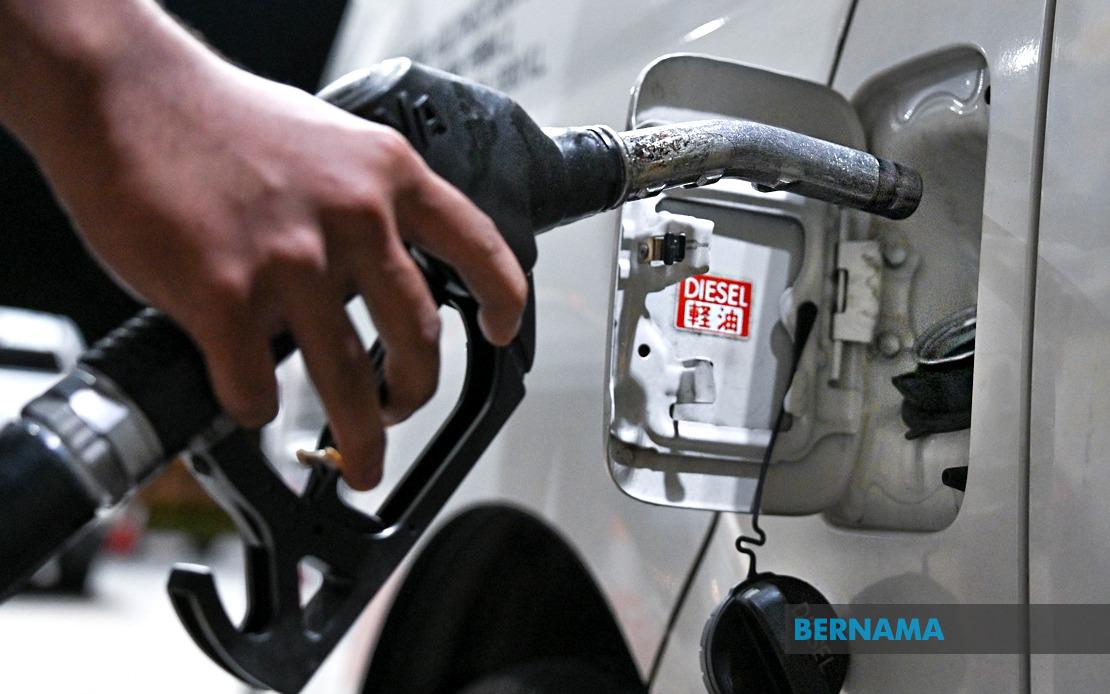
Malaysia's government is poised to recover up to RM2 billion in annual savings through implementation of the BUDI MADANI Diesel programme beginning July, according to Second Finance Minister Datuk Seri Amir Hamzah Azizan. The initiative introduces a capped subsidised price of RM2.10 per litre for eligible Malaysian diesel vehicle owners, fundamentally restructuring how fuel subsidies reach consumers and attempting to plug the significant losses that have plagued the nation's fuel subsidy system.
The reform represents a watershed moment in Malaysia's approach to fuel subsidisation, moving from a blanket subsidy model that has proven vulnerable to abuse towards a targeted mechanism designed to benefit only those genuinely in need. Amir Hamzah emphasised that the programme embodies the government's core principle of ensuring subsidies reach legitimate beneficiaries whilst simultaneously maintaining the stability and sufficiency of domestic diesel supplies—a dual challenge that has proven increasingly difficult to balance in recent years.
The fiscal case for reform is compelling. The government's monthly subsidy expenditure on petrol and diesel stood at approximately RM800 million in normal circumstances, yet this figure ballooned to nearly RM4.7 billion in March and RM4.9 billion in April as global oil prices spiked. These astronomical jumps exposed the fragility of the existing system and the urgency of implementing structural changes rather than merely absorbing cost pressures through increased government spending.
Diesel consumption patterns revealed the extent of subsidy leakages plaguing the system. Monthly consumption surged abnormally from around 624 million litres to nearly 1.2 billion litres, nearly doubling within months and signalling that substantial portions of subsidised fuel were not reaching end consumers as intended. Rather, evidence suggested diversions through cross-border smuggling operations and deliberate abuse of subsidy channels, where ineligible parties gained access to heavily discounted fuel by misrepresenting their status or vehicle classification.
East Malaysia presents a particularly acute problem. Both Sabah and Sarawak exhibit consumption patterns that deviate sharply from actual requirements, with current usage approaching two billion litres annually against estimated genuine demand of approximately one billion litres. This one-billion-litre annual discrepancy underscores the scale of the challenge and indicates systematic leakage mechanisms that previous regulatory frameworks failed to prevent. The geographic isolation of these states and their lengthy coastlines create conditions conducive to smuggling and cross-border diversion of subsidised fuel into neighbouring jurisdictions.
The BUDI MADANI Diesel programme directly addresses these vulnerabilities through technological integration and identity verification. Drawing on the established BUDI RON95 petrol subsidy model, the new diesel scheme employs MyKad verification at all participating petrol stations nationwide to ensure only eligible Malaysians access the subsidised rate. This mechanism transforms the payment process from an honour system into an authenticated one, creating an audit trail that makes circumvention substantially more difficult. Approximately 700,000 private diesel vehicle owners will qualify for the RM2.10-per-litre subsidy under the programme's parameters.
The transition affects existing beneficiaries of the BUDI Diesel Individual scheme, which previously provided RM400 in monthly cash assistance. Rather than continuing this cash-based approach, the government will migrate these recipients directly to the in-kind fuel subsidy mechanism without requiring additional applications. This automatic transition acknowledges the administrative inefficiency of maintaining dual systems and simplifies the beneficiary experience whilst strengthening the link between subsidy provision and actual fuel consumption.
Implementation follows a staggered timeline designed to ensure operational readiness. Early access opens June 27, 2026, for eligible private diesel vehicle owners in Peninsular Malaysia, providing a two-week pilot period before the nationwide launch on July 1, 2026. This staged rollout permits the government and petroleum retailers to identify and resolve operational challenges in a controlled environment, reducing the risk of system failures when the programme achieves full scale. For Malaysian policymakers and citizens accustomed to subsidies, this represents a fundamental philosophical shift toward means-testing and identity-based distribution rather than universal entitlements.
The implications for Malaysia's fiscal position are significant. Recovering RM2 billion annually through leakage reduction would equivalent to approximately 0.15% of the federal government's annual revenue, a substantial saving in the context of constrained fiscal space and competing spending pressures across healthcare, education, and infrastructure. These savings become particularly meaningful given Malaysia's long-term fiscal challenges, including ageing demographics and rising healthcare costs. Redeploying RM2 billion towards productive investments rather than subsidy leakages addresses a fundamental inefficiency that has persisted for decades.
The reform also carries broader regional implications. Malaysia joins an increasing number of Southeast Asian economies reconsidering universal fuel subsidies in favour of targeted mechanisms that deliver support more efficiently. The success or failure of BUDI MADANI Diesel will likely influence policy discussions across the region regarding how governments can maintain political legitimacy whilst improving fiscal sustainability. Indonesia's experience with subsidy reform, including instances of painful transitions, underscores both the necessity and political sensitivity of such initiatives.
For consumers and businesses dependent on diesel, the fixed RM2.10-per-litre price provides welcome predictability and protects against volatile global oil markets—at least for eligible vehicle owners. However, those falling outside the programme parameters, including commercial operators and larger fleet users, will face unsubsidised pricing determined by market forces. This tiered approach creates winners and losers, a dynamic that policymakers will need to manage carefully to maintain social cohesion.
The success of BUDI MADANI Diesel ultimately depends on implementation quality and sustained political will to maintain the targeting mechanism against inevitable pressure for relaxation. MyKad verification systems require reliable funding and technical support, particularly in less developed areas. Any weakness in authentication processes could undermine the programme's entire rationale, recreating the same leakage pathways that necessitated reform. Thus the real test begins not with legislative passage but with the day-to-day functioning of petrol station systems and their operators' compliance with verification protocols.