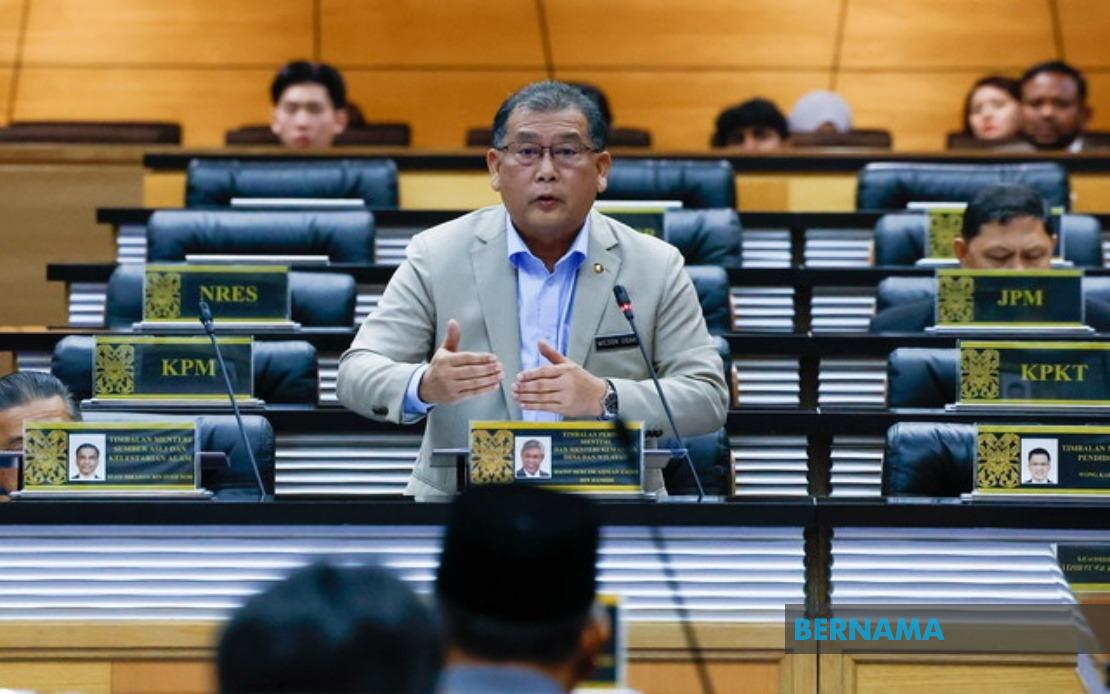
Malaysia's approach to disaster management is undergoing a significant transformation with the planned deployment of 15 permanent disaster relief centres across nine states, beginning this year. The initiative represents a fundamental shift away from the traditional reliance on school premises as temporary shelters during emergencies, a practice that has repeatedly disrupted the academic calendar during the monsoon season. Deputy Digital Minister Datuk Wilson Ugak Kumbong unveiled the scope of the programme during a parliamentary session in Kuala Lumpur, confirming that the facilities will become operational in stages as construction and planning phases progress.
The dual-purpose design of these permanent relief centres, formally known as PPKBs, addresses a persistent challenge in the country's disaster response framework. Rather than remaining idle between emergencies, each centre will function as a community facility during normal circumstances, maximizing the utility of public infrastructure investments. This approach reflects evolving best practices in disaster management that prioritize both preparedness and cost-effectiveness. The concept was introduced in 2023 as part of a broader effort to create dedicated infrastructure that does not compromise essential services such as education when activated during crises.
Current progress on the initiative shows a mixed pace of development. Two PPKBs, located in Johor and Pahang respectively, have reached full operational status and are serving as prototypes for the remaining facilities. A further nine centres are actively under construction, indicating that substantial groundwork has already commenced across the targeted states. The remaining four facilities remain in earlier stages, with procurement processes and detailed planning still underway. This phased approach allows the government to learn from early deployments and refine operational procedures before scaling up nationwide.
Each permanent relief centre has been engineered with comprehensive facilities designed to accommodate large-scale displacement during disasters. The infrastructure includes an open hall capable of housing up to 500 displaced persons, separate dining and cooking facilities to manage mass feeding operations, medical treatment rooms for immediate healthcare needs, and accessible toilet facilities for persons with disabilities. Beyond basic necessities, the centres incorporate a prayer space and specially designated areas for vulnerable populations, recognizing that emotional wellbeing during emergencies is as important as physical shelter and sustenance. This comprehensive approach represents a marked improvement over the ad-hoc arrangements typically implemented in school facilities.
The site selection process for these facilities has been deliberately targeted at regions with established histories of severe flooding. Deputy Minister Ugak explained that selection criteria prioritize localities frequently impacted by monsoon-related inundation, a rational approach given Malaysia's geographic vulnerability to seasonal flooding. However, the procedural framework ensures that any proposal for construction must navigate multiple approval layers. State Disaster Management Committees evaluate proposals before forwarding them to the National Disaster Management Agency for final assessment and approval, creating a systematic evaluation process that balances local knowledge with national standards.
The initiative carries particular significance for Malaysia's education sector, which has long struggled with flood-related closures. Schools designated as temporary relief centres face repeated shutdowns during emergency periods, creating cascading effects on student learning and disrupting academic schedules. By establishing dedicated facilities, the government aims to preserve school operations and minimize educational disruption, a consideration that extends beyond disaster management into broader economic and social development goals. This connection between disaster infrastructure and educational continuity highlights how emergency preparedness intersects with other policy priorities.
In the medium term, the Ministry of Rural and Regional Development is actively pursuing additional development allocations through the National Disaster Management Agency to expand the programme nationally, with Perak specifically mentioned as a priority for future phases. This indicates that the 15-centre initial deployment is conceived as the foundation of a larger nationwide network rather than a comprehensive solution in itself. The phased expansion strategy allows the government to allocate resources strategically while maintaining construction quality and ensuring each facility meets established standards.
Parallel to permanent infrastructure development, interim measures are strengthening existing temporary relief arrangements. The National Disaster Management Agency approved RM4.44 million in April for upgrading facilities at 25 selected temporary relief centres located on Ministry of Education premises. Additionally, maintenance and minor repair funding of up to RM50,000 is being provided for temporary centres activated following the Northeast Monsoon season, ensuring that transitional facilities remain functional and prepared for subsequent emergencies. These complementary investments acknowledge that permanent centres cannot be built immediately everywhere and that existing systems require concurrent enhancement.
The broader philosophical framework underpinning this initiative extends beyond infrastructure development to encompass institutional and societal responsibility. Deputy Minister Ugak emphasized that disaster management cannot rest solely with NADMA or any single government agency. Instead, effective emergency response demands a comprehensive approach involving federal and state governments, the private sector, and communities themselves. This "whole-of-government and whole-of-society" model reflects international best practices in disaster risk reduction and acknowledges that resilience emerges through distributed responsibility and shared commitment across all sectors of society.
For Malaysia's rapidly urbanizing regions and rural areas alike, the permanent relief centres represent tangible progress toward a more organized and dignified emergency response system. Rather than converting schools into shelters with limited facilities and generating educational disruption, displaced persons will have access to purposefully designed accommodations with dignity and comfort. The centres' community facility functions during non-emergency periods also strengthen local infrastructure capacity, potentially supporting activities such as training programmes, community meetings, or cultural events. This integration into the social fabric helps normalize disaster preparedness within communities rather than treating emergency response as an occasional external intervention.
The implementation timeline remains flexible, with the phased approach allowing for adaptive management and continuous improvement. Early deployments in Johor and Pahang provide real-world testing grounds for operational procedures, facility design refinements, and staff training protocols. Lessons learned from these prototypes will inform subsequent construction phases, potentially enhancing efficiency and effectiveness across the entire network. As neighbouring countries in Southeast Asia face similar flooding challenges, Malaysia's systematic approach to permanent relief infrastructure may offer valuable models for regional disaster preparedness discussions and cooperation initiatives.

