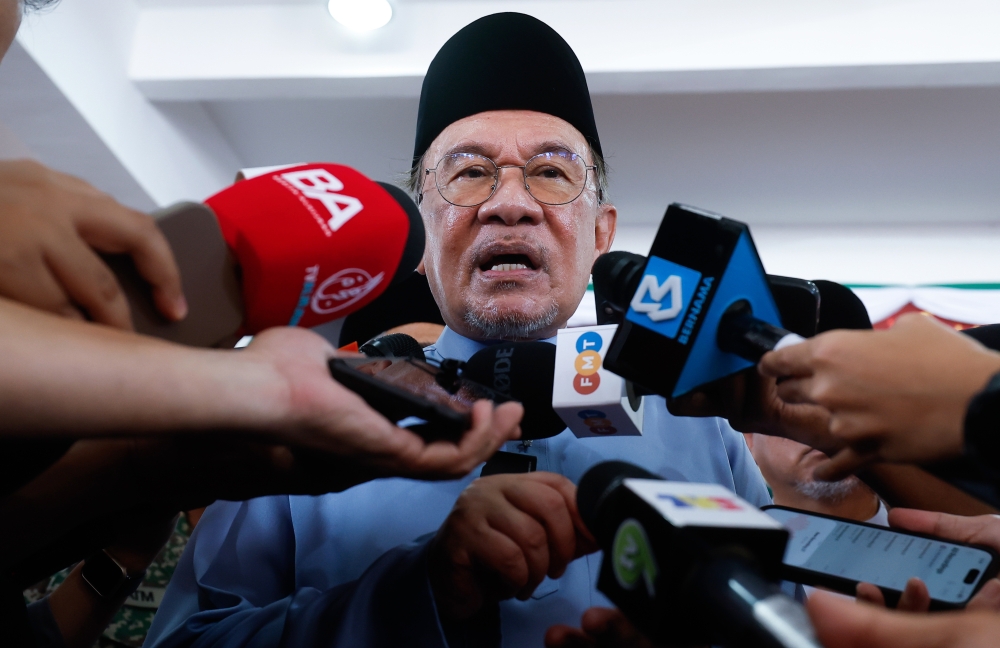
Prime Minister Datuk Seri Anwar Ibrahim has reaffirmed Malaysia's commitment to sustained dialogue with the United States on tariff matters, while publicly expressing relief that the duties currently applied to Malaysian exports remain within manageable bounds. Speaking from Port Dickson, Anwar indicated that the government views the present tariff environment as broadly acceptable compared to what might have been negotiated, signalling a diplomatic effort to balance commercial interests with bilateral relations.
The Malaysian government's measured response to the tariff situation reflects a careful calibration of national economic interests and the broader relationship with Washington. Rather than adopting a confrontational stance, Anwar has chosen to emphasise continuity in negotiations, a strategy that suggests officials believe further talks could yield more favourable terms or at least maintain the status quo. This approach aligns with Malaysia's broader trade diplomacy, which typically favours incremental progress through sustained engagement rather than public disputes.
The relatively low tariff rate cited by Anwar appears to have eased immediate concerns within Malaysia's export-oriented industries, particularly in electronics, palm oil, and manufactured goods—sectors that depend heavily on US market access. A steeper tariff regime would have threatened employment across these industries and potentially compounded inflationary pressures domestically. The government's relief appears genuine given that Malaysia recorded significant trade surpluses with the United States in recent years, making American tariffs a legitimate economic concern.
Context matters significantly here. The United States has recently pursued a more aggressive trade posture globally, raising tariffs on various partners and threatening additional increases. Malaysia, as a mid-sized economy heavily integrated into US-led supply chains, faces particular vulnerability to American trade policy shifts. The electronics sector, which represents a substantial portion of bilateral trade, relies on seamless access to American markets for components and finished goods. Any meaningful tariff increase would ripple through manufacturing operations across the region.
Anwar's framing of ongoing negotiations suggests the Malaysian government believes room exists for further optimisation of trade terms. Rather than accepting the current tariff structure as final, officials appear to view it as a baseline from which to negotiate. This reflects confidence, perhaps warranted, in Malaysia's bargaining position—the country offers valuable market access, a stable business environment, and integration into critical manufacturing networks that benefit American consumers and corporations.
The strategic emphasis on continuing talks also serves domestic audiences. By publicly committing to further negotiations, Anwar signals to Malaysian business communities and labour unions that government is actively defending their interests. This messaging becomes especially important if any sectors face adjustment pressures from tariff-related changes in trade flows. It demonstrates that trade policy remains a priority at the highest level of government.
Regionally, Malaysia's approach carries implications for ASEAN. Several Southeast Asian nations face similar tariff pressures from the United States and other developed economies. Malaysia's strategy of maintaining diplomatic engagement while seeking favorable terms through negotiation provides a model that other ASEAN members might reference. The bloc's collective economic weight—combined with individual members' bilateral ties—creates potential for coordinated approaches to trade challenges, though such coordination typically remains implicit rather than formally structured.
The government's relief at the tariff level also reflects awareness that protectionist sentiment in the United States remains potent. Political pressures within America for stricter trade policies have intensified, making the current terms potentially vulnerable to further tightening. By suggesting satisfaction with existing arrangements, Anwar may be attempting to avoid triggering additional American scrutiny of Malaysian goods. This represents a form of diplomatic insurance—public expressions of contentment can discourage further aggressive action by trading partners.
Looking ahead, Malaysia's tariff negotiations with the United States will likely evolve within the broader context of deepening US-China competition and Washington's efforts to reshape supply chains away from mainland Chinese dependence. Malaysia, positioned between these competing interests, could potentially leverage this strategic value during negotiations. Southeast Asian manufacturing has become increasingly important to American companies seeking alternative sources, offering negotiating leverage that Malaysia can employ thoughtfully.
The government's commitment to continued talks also demonstrates pragmatism regarding economic interdependence. Completely severing tariff negotiations or adopting hostile rhetoric would damage bilateral relations and risk escalatory responses from Washington. Malaysia's approach of sustained, professional engagement reflects mature trade diplomacy that acknowledges mutual interests despite periodic friction. Both nations benefit from stable, predictable trade relationships that support employment and investment flows in both directions.
Anwar's comments suggest the Malaysian government has absorbed lessons from observing how other nations' confrontational approaches to trade disputes with the United States have produced mixed results. By avoiding public acrimony while advancing national interests through quiet negotiation, Malaysia positions itself as a reasonable, reliable partner—a reputation that carries value in future trade discussions and broader bilateral engagements. This disciplined approach to trade diplomacy may prove more effective than alternative strategies that prioritise short-term domestic political theatre over long-term economic interests.

