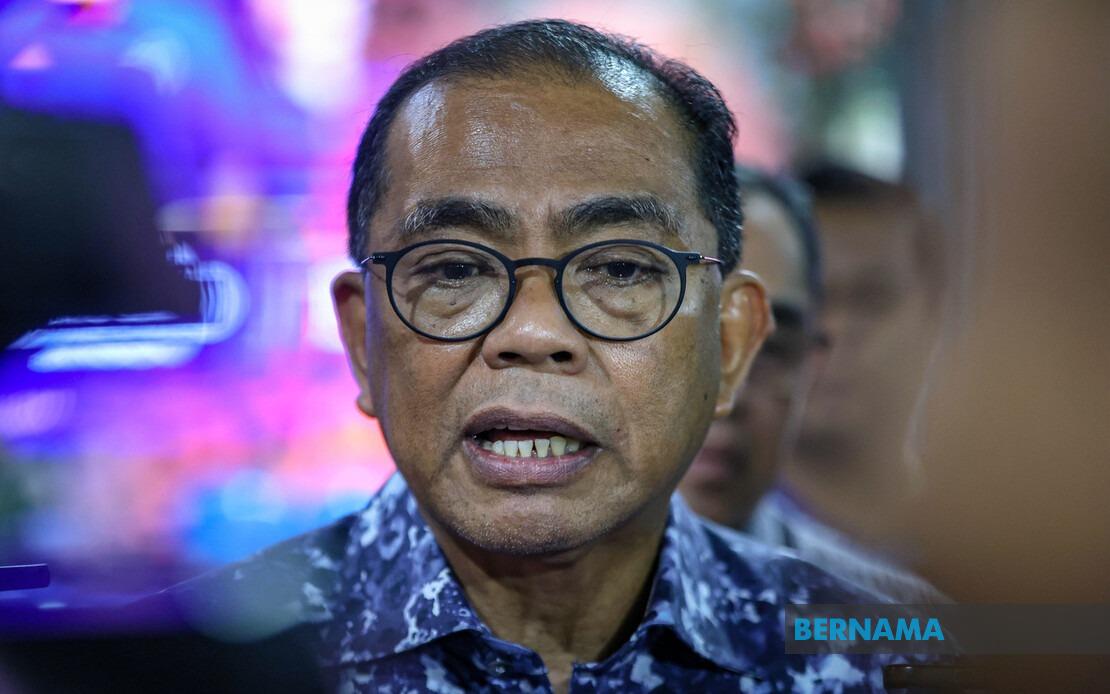
The Malaysian Ministry of Defence is pursuing a comprehensive overhaul of how military personnel advance through their careers, seeking to address longstanding structural constraints that prevent qualified officers from progressing despite meeting performance standards. Defence Minister Datuk Seri Mohamed Khaled Nordin outlined the initiative in Pasir Gudang on August 8, revealing that detailed proposals covering organisational restructuring, career progression mechanisms, and enhanced allowances have been forwarded to both the federal government and the Public Service Department for review and implementation.
The central challenge driving these reforms stems from a persistent mismatch between officer competency and available advancement opportunities. Under the current system, many military personnel satisfy all technical and performance requirements for promotion yet face career stagnation owing to insufficient vacancies at higher ranks. Mohamed Khaled emphasised that the ministry seeks to establish equitable alignment between an officer's rank, employment grade, level of responsibility, and the strategic significance of their assigned roles within the Malaysian Armed Forces structure. This misalignment has emerged as a retention and morale concern as the military competes for talent in an increasingly competitive labour market.
The timing of these reforms reflects broader strategic thinking within Malaysia's defence establishment. Since the publication of the Defence White Paper in 2022, MINDEF has systematically pursued talent management enhancements to ensure military organisational capacity matches the rapid modernisation of defence equipment and technological systems. The ministry recognises that outdated career frameworks cannot effectively retain and utilise personnel with expertise in advanced defence technologies, cyber operations, and sophisticated military platforms now entering service. A March submission to the Public Service Department proposed substantial improvements to the Public Service Remuneration System specifically tailored to military service, acknowledging that defence personnel operate under fundamentally different conditions than civilian public servants.
One distinctive element of MINDEF's proposal concerns specialised allowances recognising the unique demands of military service. The ministry has advocated for additional compensation mechanisms reflecting the reality that military personnel frequently undertake extended professional training courses spanning nine months to two years. These commitments impose family separation, lifestyle disruptions, and opportunity costs distinct from typical civil service roles. The allowance framework proposed would differentiate military compensation structures while maintaining consistency with broader public service principles, creating a middle path between military exceptionalism and standardised civil service treatment.
Critically, Mohamed Khaled stressed that any accelerated promotion mechanisms introduced must remain anchored to meritocratic principles rather than evolving into automatic advancement. Future promotion pathways will continue evaluating officers against performance metrics, demonstrated competency, personal integrity, and organisational requirements through established assessment protocols. This caveat reflects sensitivity to potential public criticism that military promotions might become politicised or divorced from capability considerations. By emphasising that merit remains paramount despite process acceleration, MINDEF seeks to maintain professional standards within defence ranks whilst addressing legitimate career progression concerns.
The ministry's initiatives align with and build upon commitments made by Prime Minister Datuk Seri Anwar Ibrahim in announcements regarding simplified and accelerated promotion mechanisms for both MAF and Royal Malaysia Police personnel. The Prime Minister's position represents in-principle government agreement to bring military advancement systems closer to modern civil service promotion models used elsewhere in the Malaysian public sector. Full details of this new promotion architecture are anticipated during the Ambang Merdeka celebrations at Stadium Merdeka on August 30, suggesting a formal launch with national significance attached to these defence reforms.
The broader policy context encompasses substantial financial commitments supporting military modernisation. The government has pledged enhanced defence allocations within the 2027 budget specifically designated for strengthening MAF operational capabilities and safeguarding personnel welfare. This increased budgetary allocation signals political prioritisation of defence investment and demonstrates that career structure reforms operate alongside material resource enhancements. Personnel advancement opportunities prove hollow without concurrent investment in equipment, training infrastructure, and operational readiness; the coordinated approach suggests sophisticated policy sequencing acknowledging these interdependencies.
For Malaysian regional strategy, these personnel management reforms carry implications extending beyond domestic military administration. As Southeast Asian security dynamics become increasingly complex—encompassing conventional military challenges, maritime disputes, cybersecurity threats, and transnational security concerns—Malaysia requires defence forces operating at maximum professional effectiveness. Retention of skilled personnel and cultivation of talent through merit-based advancement systems strengthen institutional capacity. Conversely, career stagnation and inadequate compensation risk driving capable officers toward private sector defence industries or regional military services, creating brain drain within an already resource-constrained environment.
The emphasis on modernisation alignment also reflects realistic assessment of how contemporary defence challenges differ from historical force structures. Traditional military hierarchies designed decades ago assumed relatively stable technological environments where officers could progress through standardised career pipelines. Modern defence requires specialised expertise in rapidly evolving domains—artificial intelligence applications, cyber warfare, advanced sensor systems, unmanned platforms—where talent retention and rapid skill development prove critical. Career frameworks must accommodate specialists whose technical mastery may exceed traditional seniority measures but whose contributions remain strategically vital.
Implementation challenges should not be minimised. Restructuring organisational hierarchies requires careful management to avoid perceptions of unfairness toward serving personnel whilst accommodating newly promoted officers. International precedent demonstrates that compression of promotion timelines, unless handled meticulously, can generate resentment within service ranks. The coordinated involvement of the Public Service Department suggests awareness that these reforms must align with broader civil service modernisation trajectories, complicating implementation through bureaucratic coordination requirements.
The Malaysian experience illustrates how defence modernisation encompasses more than equipment acquisition and technology adoption. Organisational structures, career management systems, and personnel compensation frameworks require equally rigorous modernisation to ensure defence forces can attract, develop, and retain talent capable of operating advanced capabilities. By simultaneously pursuing structural reform, promotion acceleration, and enhanced allowances, MINDEF addresses multiple constraints limiting military effectiveness and personnel satisfaction. Success in these initiatives could establish models applicable to other Southeast Asian defence establishments confronting similar structural challenges.

