The Ministry of Women, Family and Community Development (KPWKM) has initiated a comprehensive review of the Child Act 2001 in response to 159 recommendations issued by the United Nations Committee on the Rights of the Child (UNCRC). The undertaking represents a significant move towards modernising Malaysia's legislative framework for child protection and aligning domestic law with international conventions on children's rights.
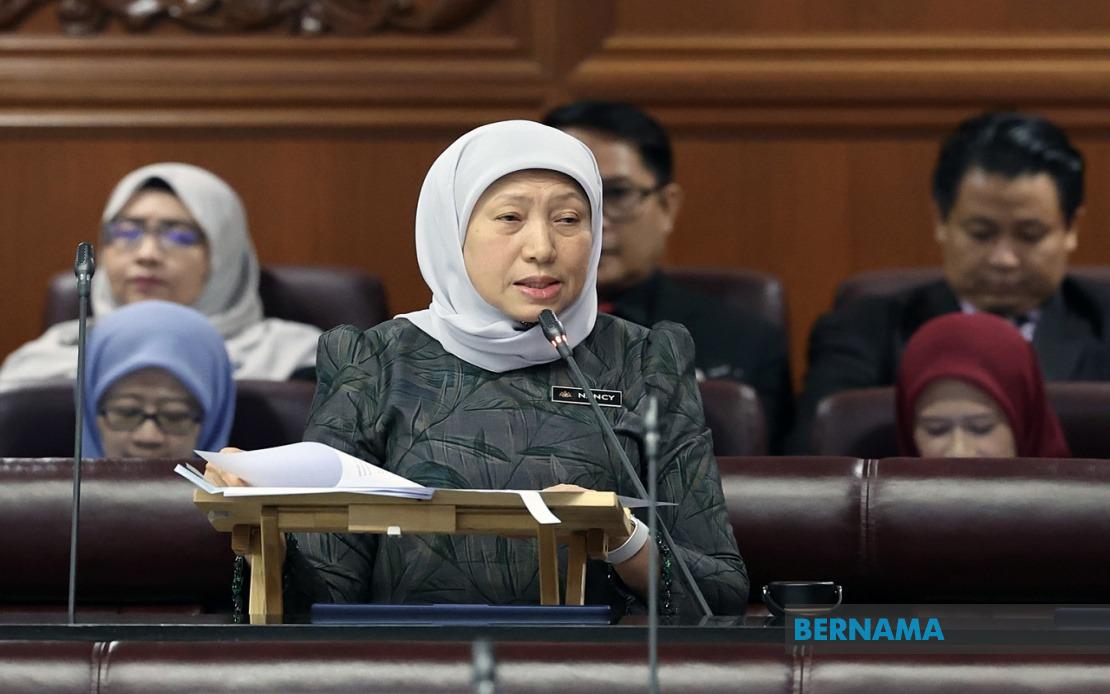
Minister Datuk Seri Nancy Shukri outlined the scope of the review during parliamentary proceedings, emphasising that the UNCRC's Concluding Observations span multiple dimensions of child welfare. The recommendations address crucial areas including legal framework amendments, bolstered safeguards against abuse and exploitation, and more robust enforcement mechanisms for children's rights across the country. This breadth of focus signals recognition that effective child protection requires systemic change rather than piecemeal amendments.
The legal framework forms the cornerstone of the review process. Malaysian lawmakers and officials will scrutinise UNCRC recommendations pertaining directly to Act 611, the official designation for the Child Act 2001, and determine which provisions require modification to meet contemporary standards. The assessment will consider whether current definitions, enforcement powers, and procedural requirements adequately address emerging threats to children, including digital exploitation and trafficking through modern channels not contemplated when the original legislation took effect more than two decades ago.
Crucially, KPWKM has adopted a multi-agency approach rather than handling the review in isolation. This collaborative framework involves input from multiple government ministries and relevant agencies, recognising that child protection transcends the remit of any single department. Such coordination is essential in Malaysia's federal system, where responsibilities for education, health, law enforcement, and social welfare are distributed across various levels of government and different portfolios.
The ministry identified several specific areas requiring examination under the review process. Child protection mechanisms and mandatory reporting frameworks will undergo scrutiny to ensure they capture all relevant incidents and trigger appropriate interventions. Children's court procedures will be assessed for compliance with best-practice standards and international norms regarding age-appropriate proceedings and child-friendly judicial processes. Additionally, provisions governing family and community care arrangements, rehabilitation services, and post-case follow-up support will be evaluated for adequacy and effectiveness.
Parental rights and responsibilities, alongside the authority and obligations of guardians and relevant agencies, form another crucial component of the review. Modern child protection approaches emphasise the balanced recognition of family autonomy with state intervention powers, ensuring that preventive support reaches families before crises occur while maintaining clear pathways for protective action when children face danger. The review will determine whether current legislation and policy frameworks reflect this balance appropriately.
Enhancing cross-agency collaboration represents a critical strategic objective. Child protection cases frequently involve multiple systems—education, health, law enforcement, and social services—and inadequate information-sharing or conflicting mandates can result in tragic oversights. The review will examine mechanisms for improving data exchange, establishing clear escalation procedures, and defining overlapping responsibilities so that all agencies operate from a shared understanding of each case's status and requirements.
The implementation dimension carries equal weight to legislative text. Even robust laws fail if enforcement proves inconsistent, under-resourced, or hampered by inadequate training. KPWKM's review will consider whether current institutional capacity, staff expertise, and procedural guidelines enable courts, child welfare officers, police, and other frontline workers to respond effectively to child protection concerns. This assessment may lead to recommendations for additional funding, specialised training programmes, or procedural reforms that do not require legislative change.
The timing of this review reflects Malaysia's commitment under international human rights mechanisms. The UNCRC Concluding Observations typically follow state reporting cycles, and Malaysia's submission prompted detailed assessment of its child protection systems. By conducting this comprehensive review, Malaysia demonstrates responsiveness to international scrutiny while maintaining domestic control over implementation timelines and priorities. This approach balances accountability to international standards with pragmatic recognition of Malaysian legal and administrative contexts.
For Malaysian practitioners, policymakers, and civil society organisations focused on child welfare, the review process offers a critical window for input and advocacy. The outcomes will shape how children experience legal protection, access support services, and participate in decision-making processes affecting their futures. Stakeholders invested in improving Malaysia's child protection landscape should engage actively with KPWKM and participating agencies throughout the review period to ensure that reform efforts address identified gaps and reflect on-the-ground realities in diverse communities across the country.
The broader context involves Malaysia's standing within the Southeast Asian region on child rights implementation. Several neighbouring countries have undertaken similar comprehensive legislative reviews in recent years, and Malaysia's approach will be closely observed. A successful, substantive review leading to meaningful reforms could position Malaysia as a regional leader in child protection, while inadequate or cosmetic changes risk reputational damage and continued vulnerability to international criticism at future review cycles.

