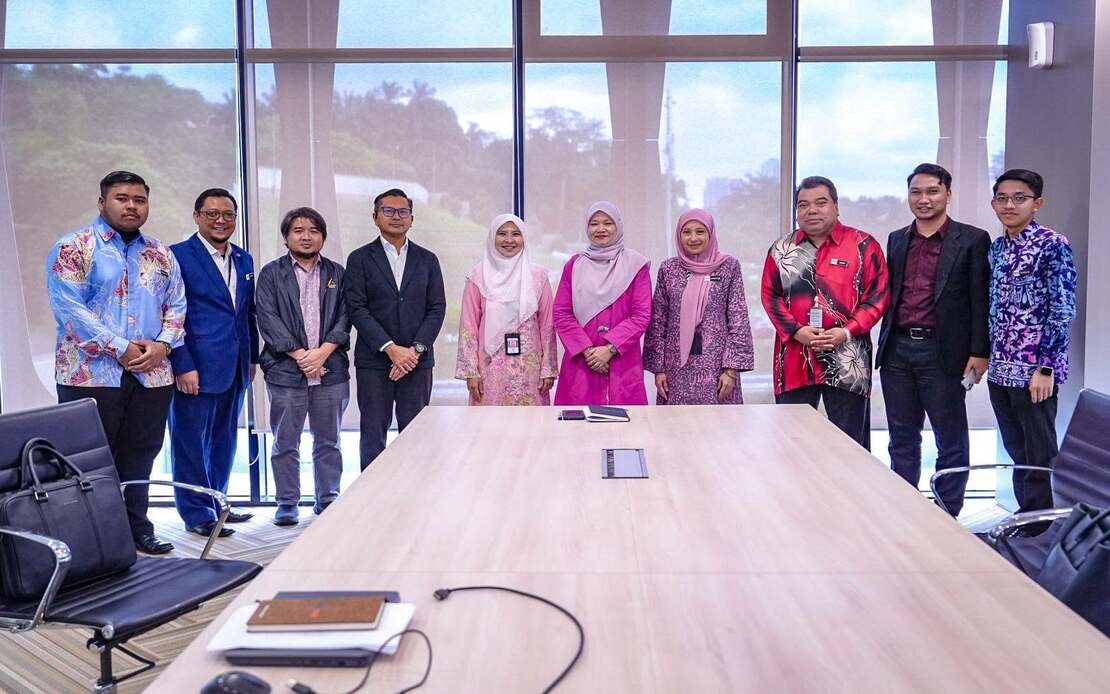
Malaysia's Education Ministry has committed to rolling out a comprehensive advocacy campaign across schools nationwide to educate stakeholders about key child protection legislation. The initiative, which encompasses the Child Act 2001, the Anti-Bullying Act 2026, and the Sexual Offences Against Children Act 2017, represents a coordinated effort to strengthen safeguarding frameworks within educational institutions. Education Minister Fadhlina Sidek announced the plan following discussions with representatives from the Human Rights Commission of Malaysia (SUHAKAM), signalling a strengthened commitment to protecting vulnerable young people in the education system.
The collaboration emerged from a high-level meeting between the Education Ministry and a SUHAKAM delegation headed by Children's Commissioner Dr Farah Nini Dusuki and Dr Mohd Al Adib Samuri. During the engagement, officials explored a range of pressing concerns affecting students, particularly the persistent challenges of bullying and sexual harassment within educational settings. The conversation centred on deploying strategic interventions to tackle these issues at their roots, with legislative awareness forming a cornerstone of the proposed response. By equipping educators, parents, and students with knowledge of their rights and responsibilities under these laws, policymakers hope to create a more protective institutional culture.
The Child Act 2001 provides the foundational legal framework governing the protection, welfare, and rehabilitation of children in Malaysia. Through targeted advocacy, the Education Ministry aims to ensure that school administrators, teachers, and support staff understand their obligations under the legislation and can respond appropriately to cases of abuse or neglect. The Anti-Bullying Act 2026 represents more recent legislative progress, offering clearer definitions of bullying behaviours and establishing accountability mechanisms within schools. Meanwhile, the Sexual Offences Against Children Act 2017 criminalises various forms of sexual abuse and exploitation, and raising awareness of this law is critical for both prevention and encouraging reporting of incidents.
The prevalence of bullying in Malaysian schools remains a significant concern, with incidents ranging from physical violence to cyberbullying and social exclusion. Teachers and administrators often struggle to identify what constitutes actionable bullying under the law versus typical peer conflict, creating gaps in intervention. Similarly, sexual harassment and abuse can go unreported due to inadequate understanding of both the laws protecting victims and the reporting mechanisms available. By launching structured advocacy programmes, the Education Ministry seeks to demystify these laws and empower school communities to recognise harmful behaviours and respond decisively.
Fadhlina emphasised that the rights and welfare of Malaysian children would remain a priority with no room for compromise. This statement signals a ministerial pivot towards more proactive child safeguarding rather than reactive crisis management. The inclusion of SUHAKAM in this initiative is particularly significant, as the independent human rights body brings technical expertise and credibility to advocacy efforts. SUHAKAM's track record of investigating child rights complaints and issuing recommendations carries institutional weight that can influence how schools and other stakeholders engage with these programmes.
The Education Ministry's approach reflects growing international recognition that legislation alone is insufficient without complementary awareness-raising and capacity-building. Countries across the Asia-Pacific region have increasingly discovered that gaps between law and implementation stem partly from inadequate understanding among frontline workers. By investing in systematic advocacy campaigns rather than relying on passive dissemination of legal texts, Malaysian authorities are adopting a more evidence-informed strategy. The programmes will likely include training sessions for educators, informational materials for parents, age-appropriate educational modules for students, and accessible guidance documents for school administrators.
The timing of this initiative is noteworthy given ongoing discussions about child protection in Southeast Asia. Malaysia has positioned itself as a regional leader on child rights through various legislative developments, and this advocacy drive reinforces that positioning. For Malaysian parents and educators, the rollout signals clearer expectations regarding their roles in protecting children and reporting concerns. For students, it creates opportunities to understand their rights and the channels available when they experience or witness abuse or bullying. The initiative also acknowledges that many young people lack awareness of the protections legally available to them.
The strengthening of collaboration between the Education Ministry and SUHAKAM carries broader implications for institutional governance. When government agencies and independent human rights bodies work in concert, oversight mechanisms are reinforced and advocacy efforts gain enhanced credibility. This partnership model could potentially be replicated across other sectors where child protection is relevant, such as health services, social welfare, and law enforcement. The precedent established through this education sector initiative might encourage similar inter-institutional cooperation elsewhere.
Moving forward, the success of these advocacy programmes will depend on consistent implementation across diverse school settings, from urban centres to rural areas where access to training and resources may be limited. The Education Ministry will need to ensure that advocacy materials are culturally appropriate, linguistically accessible, and tailored to the varying needs of different stakeholder groups. Measuring impact will require tracking changes in awareness levels, reporting rates, and institutional responses to child protection concerns. For Malaysian stakeholders invested in child welfare, this announced initiative represents a concrete step toward translating legal protections into lived safety within educational environments.

