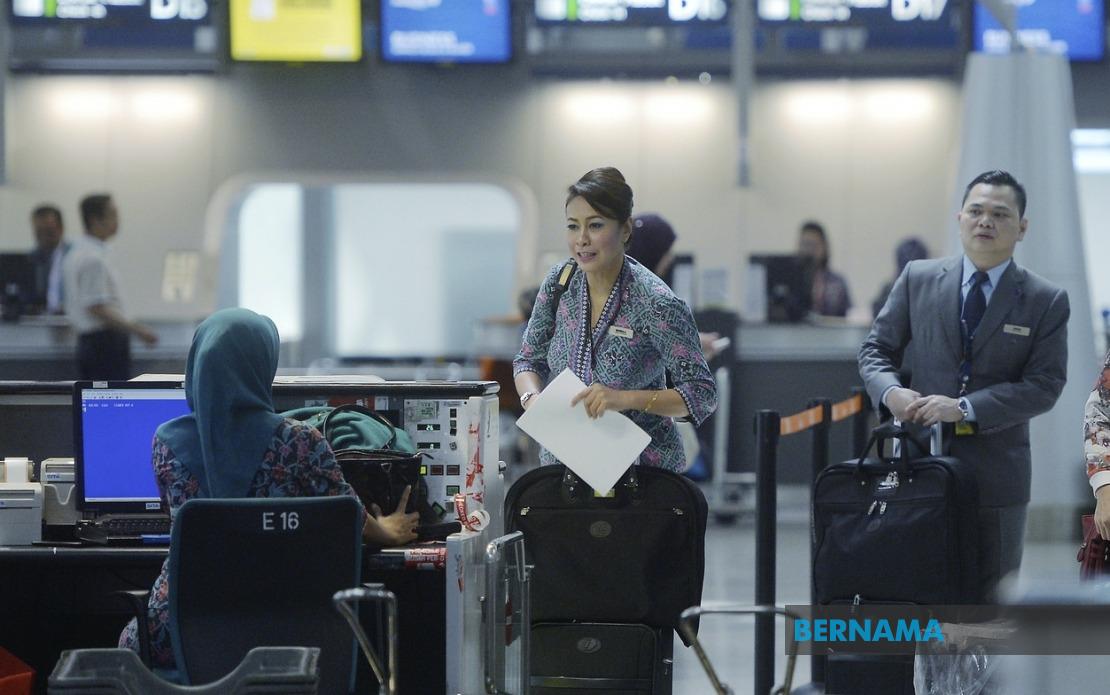
Malaysia's border control authorities have pledged to strengthen security screening procedures for pilots and flight crew across the country's airports, responding to a high-profile incident in which a Malaysian aviation professional was detained in Indonesia on drug trafficking allegations. Datuk Seri Mohd Shuhaily Mohd Zain, director-general of the Malaysian Border Control and Protection Agency (AKPS), made the announcement following an urgent meeting convened by the Transport Ministry and attended by representatives from the Royal Malaysia Police and Malaysia Aviation Group.
The commitment to tighten procedures reflects serious concern within Malaysia's aviation sector about the breach that allowed a pilot to carry what Indonesian authorities described as 25 kilogrammes of ecstasy, valued at approximately Rp60 billion, through Kuala Lumpur International Airport. The 39-year-old pilot was apprehended shortly after landing at Soekarno-Hatta International Airport in Jakarta on July 29, having operated an international passenger service from Kuala Lumpur the previous day. According to Indonesia's Director-General of Customs and Excise, Djaka Budi Utama, the controlled substances were discovered concealed within the suspect's baggage.
What has proven particularly troubling for Malaysian aviation officials is that the individual successfully cleared all standard security screening at KLIA before departure on July 28. During routine examination using scanner technology, neither the contraband nor the luggage containing it generated any suspicious indicators. This passage through standard protocols raises uncomfortable questions about the effectiveness of existing screening measures and has prompted immediate action to identify vulnerabilities in the current system. Officials are still gathering information from law enforcement to understand precisely how the screening process was circumvented or bypassed.
The coordinated response demonstrates the seriousness with which Malaysian transport authorities regard the incident. The meeting chaired by Transport Ministry secretary-general Datuk Seri Jana Santhiran Muniayan brought together key stakeholders in aviation security and border protection, signalling that enhancement of screening procedures will not be limited to a single agency but will involve comprehensive institutional changes. Malaysia Aviation Group's participation underscores that commercial operators themselves recognise the reputational and operational implications of such incidents.
Mohd Shuhaily confirmed that screening enhancements will extend beyond baggage and cargo to encompass more rigorous vetting of aviation personnel themselves. All pilots, flight crew members, and airport staff will undergo more comprehensive screening protocols in the near future, addressing the gap that apparently allowed the suspect to operate undetected. This shift reflects a growing international recognition that aviation security must focus not merely on passengers and their belongings but also on the trustworthiness and background of those operating aircraft.
The timing of this review carries particular significance for Malaysia's aviation industry, which depends heavily on international reputation and regulatory compliance. Any perception that Malaysia's airports are vulnerable to smuggling operations could trigger elevated scrutiny from regional and international aviation authorities, potentially affecting flight operations and commercial relationships. The incident also highlights the challenges facing modern airports in balancing rigorous security with operational efficiency, as screening must be comprehensive without creating unmanageable delays.
For the regional aviation community, this development signals Malaysia's commitment to maintaining high security standards consistent with international norms. Indonesia's handling of the arrest and subsequent investigation has prompted a constructive response from Malaysian authorities rather than defensive posturing, suggesting productive bilateral cooperation on border and aviation security matters. This collaborative approach may serve as a model for addressing similar challenges across Southeast Asia, where porous borders and increasing air traffic create multiple vulnerabilities.
The incident also raises broader questions about personnel vetting in aviation. Commercial pilots undergo extensive training, medical evaluation, and background checks to obtain their licences, yet such formal qualifications evidently do not guarantee immunity from involvement in criminal activity. Enhanced screening protocols will need to incorporate psychological and behavioural assessments alongside traditional security measures, potentially including periodic re-evaluation of clearances and deeper examination of financial circumstances and associations.
Authorities have indicated that the investigation remains ongoing, with Malaysian law enforcement agencies still compiling data that may reveal how the breach occurred and whether systemic vulnerabilities exist at other points in Malaysia's aviation security infrastructure. This investigation phase is critical, as it will determine whether the incident represents an isolated lapse or indicates systematic deficiencies requiring broader remediation beyond personnel screening.
The commitment to enhanced screening reflects recognition that aviation security depends on constant vigilance and adaptation. As smuggling networks employ increasingly sophisticated methods and exploit new vulnerabilities, security agencies must continuously update procedures and training. The Malaysia Aviation Group's involvement ensures that commercial operators will align their internal protocols with regulatory requirements, creating layered security rather than relying solely on government checkpoint screening.
Moving forward, the enhanced procedures will likely include expanded background investigations into crew members' financial circumstances, travel patterns, and associations; more rigorous use of advanced screening technology; and possibly increased coordination with international aviation authorities on sharing information about security incidents. These measures aim to prevent future incidents while maintaining the operational efficiency essential to Malaysia's role as a major aviation hub in Southeast Asia.

