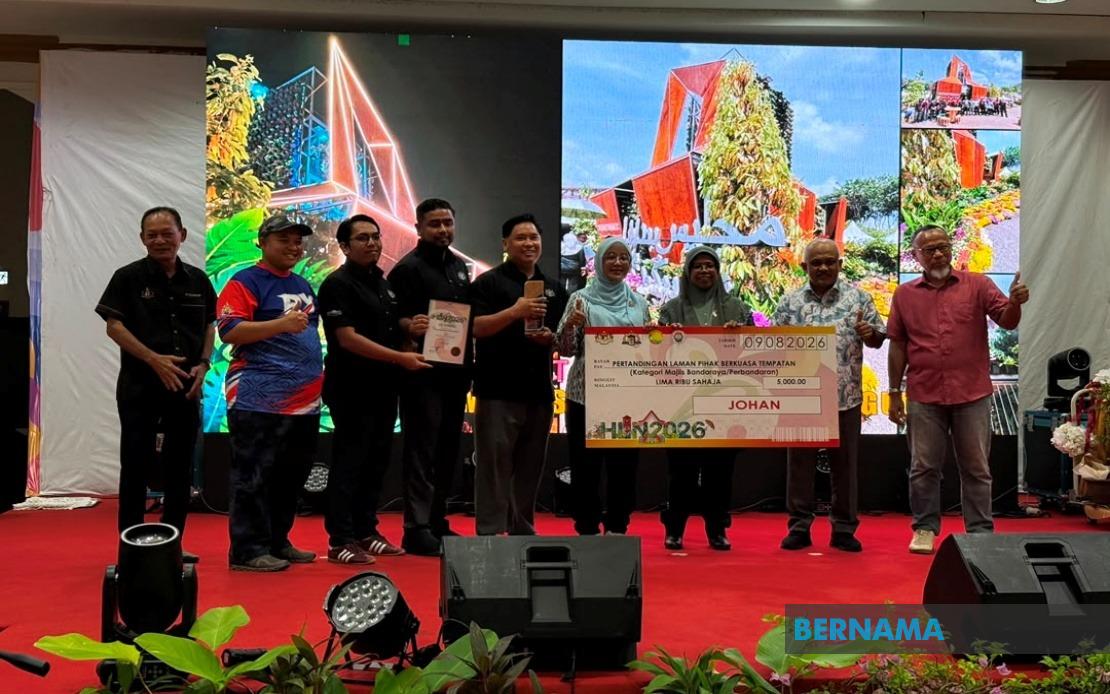
The Malaysian government has set its sights on creating at least 1,000 MADANI Recreational Parks nationwide by 2030, marking a significant commitment to enhancing public recreational infrastructure and improving quality of life for communities across the nation. Speaking at the Prize-Giving and Appreciation Ceremony during National Landscape Day celebrations in Melaka, National Landscape Department director-general Mansor Mohamad revealed that the initiative is progressing steadily, with substantial progress already achieved in the first phase of implementation.
As of 2025, the government has successfully completed 216 MADANI Recreational Parks, demonstrating tangible momentum in delivering this ambitious vision. The acceleration is evident from the current construction pipeline, with an additional 100 parks under active development this year alone. This pace suggests the government is on track to meet its 2030 deadline, though the undertaking requires sustained funding, coordination across multiple levels of government, and careful site selection to ensure equitable distribution across urban and rural areas.
The financial commitment underpinning this expansion is substantial. Each MADANI Recreational Park requires an average construction investment ranging from RM400,000 to RM500,000, with variations depending on land size and specific design parameters. This cost structure means that reaching the 1,000-park target will require total investments approaching RM450 million or more, representing a considerable allocation of public resources toward recreational infrastructure. For comparison, this spending level places recreational development as a meaningful priority within Malaysia's broader infrastructure and social spending agenda.
Strategic placement represents a cornerstone of the programme's effectiveness. Rather than concentrating parks in metropolitan areas or commercial zones, the government has deliberately positioned these facilities within residential communities, ensuring that recreational amenities are within convenient reach of ordinary Malaysians. This approach acknowledges a fundamental reality: accessibility determines whether public facilities actually serve their intended populations. By embedding parks directly into residential environments rather than requiring residents to travel significant distances, the initiative removes practical barriers to community engagement with recreational spaces.
Design philosophy embedded within the MADANI park concept reflects contemporary understanding of inclusive public spaces. The incorporation of universal design principles ensures that facilities serve the broadest possible demographic spectrum. Children and teenagers can access age-appropriate equipment and spaces, adults find recreational and social facilities, senior citizens have accessible pathways and seating, and persons with disabilities encounter barriers-free environments enabling their participation. This inclusive approach transforms parks from optional amenities into genuinely universal community assets, aligning with Malaysia's commitments to social inclusion and accessibility standards.
The recent National Landscape Day celebration in Melaka, which ran for four days and culminated at Hang Jebat Stadium in Krubong, demonstrated significant public interest in landscape and recreational development. The event attracted approximately 80,000 visitors, indicating strong community enthusiasm for the topics of urban beautification, landscaping, and community spaces. This turnout suggests that the MADANI park initiative resonates with Malaysian citizens who value improved local environments and community infrastructure.
Beyond providing recreational facilities, the MADANI park programme generates broader economic and cultural benefits across the landscape industry. The initiative creates a significant marketplace for landscape entrepreneurs, designers, contractors, and equipment suppliers to showcase and commercialize their products and services. By organizing National Landscape Day celebrations and related events, the government provides industry stakeholders with platforms to reach potential customers and demonstrate their capabilities. This ecosystem development strengthens the broader landscaping sector while creating business opportunities aligned with the parks expansion.
The programme's success also depends on sustained community and stakeholder engagement. Mansor indicated that planning for next year's National Landscape Day celebration would commence immediately following the conclusion of this year's festivities, with particular emphasis on identifying suitable locations for future parks and gathering feedback from diverse stakeholders. This continuous consultation approach suggests recognition that park planning requires input from local communities, local government bodies, urban planners, and landscape professionals to ensure projects meet actual community needs and generate local support.
For Malaysian residents, particularly those in underserved communities, the MADANI park initiative addresses a genuine gap in public recreational infrastructure. Many neighborhoods, especially in rapidly expanding suburban and peri-urban areas, have developed residential capacity without proportional investment in community amenities. The targeted expansion of accessible recreational spaces directly addresses this imbalance, contributing to livability, public health promotion through activity opportunities, and community cohesion through shared gathering spaces. The parks also serve environmental purposes, potentially improving urban air quality, managing stormwater runoff, and providing green space within concrete-dominated landscapes.
Regionally, Malaysia's structured approach to recreational park development offers lessons for other Southeast Asian nations grappling with rapid urbanization and the need to maintain livable communities amid development pressure. The MADANI programme demonstrates how systematic planning, adequate funding, inclusive design principles, and community engagement can scale public amenity provision across diverse geographic contexts. The programme's emphasis on universal accessibility particularly reflects contemporary international best practices in public space design.

