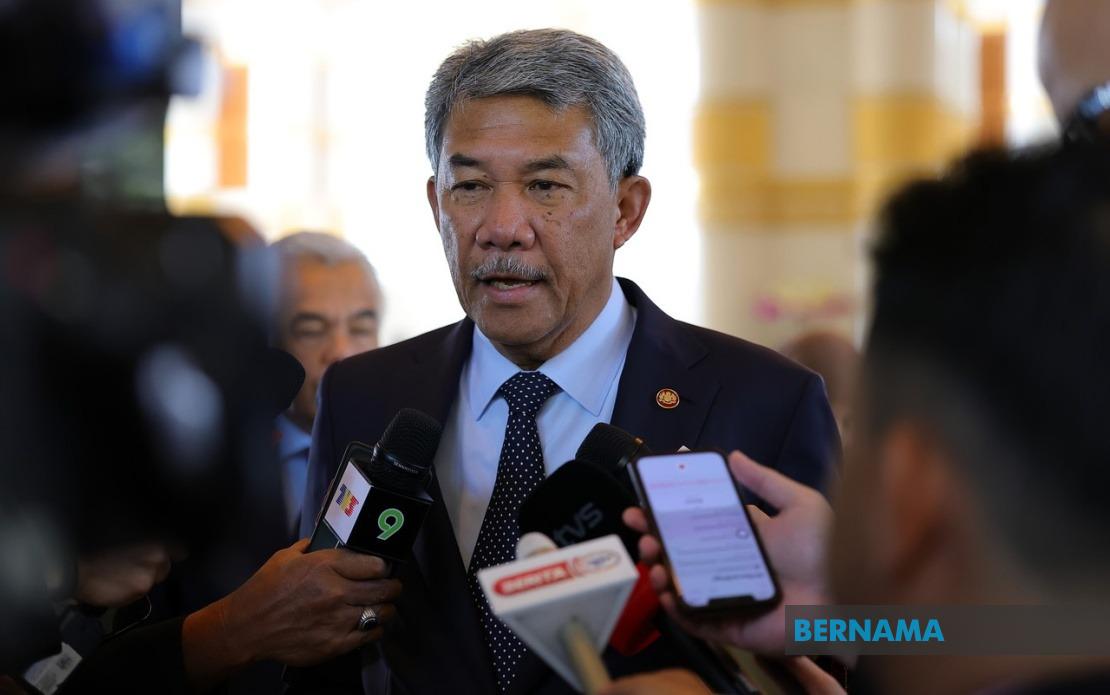
Malaysia is escalating its diplomatic efforts to combat the transboundary haze crisis by channelling concerns through ASEAN's institutional framework, reflecting the regional bloc's increasing role in tackling environmental challenges that transcend national borders. Foreign Minister Datuk Seri Mohamad Hasan outlined the strategy during his three-day working visit to Brunei, underscoring the government's conviction that multilateral engagement through ASEAN offers a more durable and coordinated approach than bilateral negotiations alone.
The decision to leverage ASEAN mechanisms represents a calculated diplomatic choice rooted in the bloc's founding principles of non-interference and consensus-based decision-making. Mohamad articulated that ASEAN constitutes the most appropriate platform for resolving transnational issues among member states, a position that acknowledges both the legitimacy and practical efficacy of regional institutions in addressing cross-border environmental degradation. This approach also signals Malaysia's preference for inclusive dialogue, potentially encouraging other affected nations to participate in solutions rather than adopt adversarial stances.
The formal coordination will unfold through multiple channels. The Ministry of Natural Resources and Environmental Sustainability intends to submit an official communiqué to the ASEAN Secretariat, establishing a documented record of Malaysia's concerns and proposed remedies. Simultaneously, NRES Minister Datuk Seri Arthur Joseph Kurup will correspond directly with his Indonesian counterpart, creating a parallel direct engagement track. This dual-channel strategy balances the benefits of institutional backing with the efficiency of ministerial-level communication, potentially expediting both information-sharing and policy alignment.
Malaysia's diplomatic initiative gained added momentum from its concurrent discussions with Brunei, a fellow ASEAN member acutely aware of haze impacts. High Commissioner Datuk Mohd Aini Atan indicated that transboundary haze would feature prominently during Prime Minister Datuk Seri Anwar Ibrahim's bilateral meetings with Sultan Hassanal Bolkiah, scheduled for the Malaysia-Brunei Annual Leaders' Consultation on August 22. The fact that two senior leaders would dedicate diplomatic time to this issue underscores its elevation from a technical environmental matter to a strategic concern warranting executive attention.
The impetus for urgent action becomes evident when examining real-time air quality data across Sarawak. Serian District recorded an Air Pollutant Index reading of 217 as of 4 pm on August 21, placing it firmly within the "very unhealthy" category—a threshold at which vulnerable populations face genuine health risks. Nine additional Sarawak districts reported unhealthy readings, with Sri Aman registering 186, Sarikei 173, Kuching 171, and Samarahan 170, demonstrating the haze's widespread penetration across the state. Even peripheral areas like Kapit, typically less affected by regional atmospheric disturbances, recorded concerning levels at 108.
This geographic spread across Sarawak indicates that the haze originates from sources extending beyond nearby regions, most likely stemming from Indonesian territories where agricultural burning and land-clearing fires remain prevalent during dry seasons. The transboundary nature of the problem defies resolution through unilateral Malaysian action, necessitating coordinated regional engagement to address root causes. Indonesia's cooperation proves indispensable, as enforcement of environmental regulations governing vegetation burning and industrial emissions remains primarily within its jurisdiction.
The timing of Malaysia's diplomatic push carries strategic significance. By formalising its position through official correspondence to the ASEAN Secretariat, Malaysia creates an institutional record that can support future collective action, whether through ASEAN declarations, technical committees, or mechanisms for environmental monitoring and compliance. This approach potentially opens pathways for binding regional frameworks, transforming ad-hoc crisis responses into systematic governance structures. For Malaysia, establishing such precedents now could prove valuable for addressing similar transboundary challenges in future years.
The involvement of multiple government agencies—the Foreign Ministry, NRES, and the Prime Minister's office—reveals how comprehensively Malaysia is treating haze not merely as an environmental hazard but as a multilayered diplomatic and public health challenge. Such integrated coordination suggests that solutions will encompass not just diplomatic pressure but also technical cooperation on monitoring systems, emissions data-sharing, and capacity-building for Indonesian enforcement agencies. The NRES Ministry's prospective communications with its Indonesian counterpart hint at exploring practical mechanisms beyond symbolic statements.
For Southeast Asian observers, Malaysia's decision to prioritise ASEAN reflects both confidence in the bloc's capacity to address transnational problems and acknowledgment that bilateral arrangements alone have proven insufficient. The haze phenomenon has recurred cyclically for decades, periodically disrupting life across the region and occasionally straining diplomatic relations. By channelling this year's crisis through institutional ASEAN processes, Malaysia signals that sustainable solutions require permanent mechanisms rather than episodic interventions. This positioning could influence how other member states approach environmental governance and cross-border resource management in the future.
The success of Malaysia's diplomatic initiative will ultimately hinge on Indonesia's receptiveness and the willingness of ASEAN mechanisms to produce concrete outcomes rather than mere statements of concern. The involvement of Brunei in parallel discussions suggests that affected smaller nations recognise their collective leverage within ASEAN frameworks, potentially creating political space for stronger collective positions. As air quality in Sarawak continues to deteriorate, the urgency of translating diplomatic engagement into actionable commitments becomes ever more apparent.

