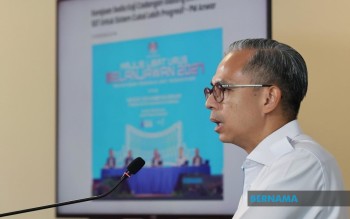
The federal government is adopting a deliberate approach to exploring a hybrid taxation model that would blend elements of the Goods and Services Tax with the existing Sales and Services Tax, according to communications and government spokesperson Datuk Seri Fahmi Fadzil. Finance Minister II Datuk Seri Amir Hamzah Azizan has been allocated sufficient time to conduct thorough analysis and prepare a follow-up report on the initiative, which will subsequently be presented to Cabinet for deliberation and decision-making.
Fahmi emphasised that the proposal remains at a preliminary stage of consideration and cannot be rushed through without proper assessment. The complexity of the matter demands careful examination of lessons learned from the previous implementation of the GST system, which was ultimately repealed following significant public backlash and concerns about the impact on the cost of living. Simultaneously, the government must evaluate operational challenges and inefficiencies within the current SST framework to determine whether incorporating certain GST mechanisms could address existing shortcomings.
Prime Minister Datuk Seri Anwar Ibrahim has directed the Ministry of Finance to undertake a comprehensive and rigorous study of this proposed hybrid taxation system, with particular emphasis on ensuring greater progressivity in Malaysia's overall tax structure. The Cabinet was briefed on this directive during its recent meeting, signalling that this is a matter receiving high-level government attention despite the cautious approach being adopted. However, Fahmi clarified that no specific timeline for the report's completion was discussed during the Cabinet session, and the matter was not linked to any upcoming budget announcement.
The concept of merging GST and SST components reflects growing recognition within policymaking circles that Malaysia's current taxation system may require modernisation and strategic adjustment. The SST, which was reintroduced in September 2018 as a replacement for the GST following political changes, has operated for several years but faces persistent criticisms regarding complexity, compliance costs, and revenue collection efficiency. By contrast, the GST, though ultimately abandoned for political reasons, demonstrated certain technical advantages in terms of capturing economic transactions and creating a more comprehensive tax base, though its regressive nature raised equity concerns.
Anwar's recent public statements indicated that Malaysia intends to maintain the SST as its foundational taxation system while investigating the feasibility of selectively adopting specific GST characteristics that could enhance the overall system's functionality and fairness. This cautious middle-ground approach differs markedly from either maintaining the status quo entirely or reverting to a full GST model. The government's rationale appears centred on the possibility that hybrid mechanisms could simultaneously preserve the political and social acceptance of a sales tax while improving administrative efficiency and addressing known gaps in the current system.
For Malaysian businesses and taxpayers, this deliberative process carries significant implications. Companies operating across sectors will need to monitor developments carefully, as any fundamental restructuring of the tax system would require substantial operational adjustments, system upgrades, and staff retraining. The accounting and finance professions are particularly affected, given that major tax reforms necessitate comprehensive changes to compliance procedures and reporting requirements. Small and medium enterprises may face disproportionate adjustment costs if new systems introduce additional complexity without proportionate simplification elsewhere.
Regionally, Malaysia's tax policy direction carries relevance for Southeast Asian jurisdictions examining their own revenue mechanisms. Several neighbouring countries have considered GST implementations or hybrid systems as they seek to modernise revenue collection while managing public concern about cost-of-living pressures. The Malaysian government's cautious approach, informed by the painful experience of GST implementation and repeal, may offer instructive lessons about the political economy of major fiscal reforms and the importance of public consensus-building.
The timing of this proposal also reflects broader economic considerations facing Malaysia. The nation requires enhanced revenue generation to manage persistent fiscal deficits and fund critical development initiatives, yet any taxation changes must be politically viable and socially acceptable given the persistent cost-of-living concerns affecting households across income levels. A hybrid system that maintains SST's surface familiarity while incorporating efficiency-enhancing elements from GST could theoretically offer a politically palatable pathway to improved fiscal sustainability, provided implementation and communication are handled effectively.
The Ministry of Finance's analytical work will likely examine several technical dimensions, including comparative revenue impacts, compliance costs for businesses, consumer price effects across different commodity categories, and administrative feasibility. International experience with hybrid tax systems in other countries will probably inform the assessment, along with detailed examination of why the previous GST encountered such substantial public opposition and political resistance. Understanding these factors will be essential for determining whether a revised approach could succeed where earlier efforts failed.
Cabinet discussion remains contingent on the quality and comprehensiveness of the Ministry of Finance's eventual report. The lack of a specified deadline suggests the government is prioritising thoroughness over speed, a stance that reflects recognition of the sensitive nature of taxation matters and the need for informed deliberation before significant policy shifts are announced. This measured approach may also provide time for stakeholder consultations with business groups, civil society organisations, and professional bodies that would be affected by any taxation system changes.
Looking ahead, the government faces the challenging task of building broad-based support for any taxation innovation, given Malaysia's recent political history and public sensitivity regarding fiscal matters. Should the Finance Ministry ultimately recommend proceeding with a hybrid model, the government would need to invest substantial effort in public education about the proposed system's benefits and safeguards, learning from earlier mistakes when GST introduction was perceived as insufficiently explained and inadequately addressed concerning equity impacts.

