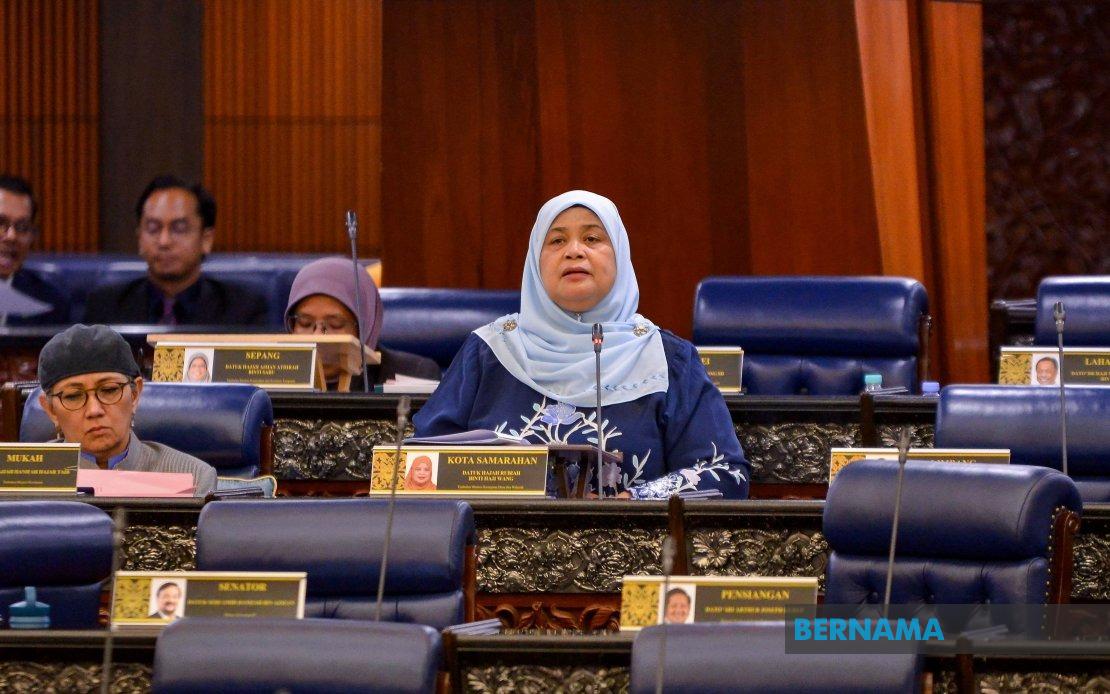
Malaysia's government is embarking on a major overhaul of its technical and vocational education landscape through TVET 2.0, a comprehensive reform initiative designed to bridge the persistent gap between classroom learning and workplace demands. Speaking in parliament, Deputy Minister of Rural and Regional Development Datuk Rubiah Wang outlined how the new framework will leverage direct recognition from industry leaders to validate training standards, ensuring that graduates emerge not merely qualified on paper but genuinely equipped to meet real-world employer expectations. This shift represents a fundamental philosophical change in how Malaysia approaches skills certification, moving away from purely academic metrics towards practical validation rooted in actual labour market conditions.
The accreditation transformation underpinning TVET 2.0 addresses one of Malaysia's most persistent economic challenges: skills mismatch. Despite years of investment in technical education, employers consistently report difficulty finding workers whose competencies align with their operational requirements. By embedding industry recognition directly into the accreditation process, the government aims to create a feedback loop where curriculum design responds continuously to evolving workplace needs rather than lagging behind market shifts. This approach acknowledges that in sectors experiencing rapid technological change—artificial intelligence, automation, and digital manufacturing—traditional static certification cycles become obsolete almost immediately after implementation.
Beyond basic technical competency, the ministry's vision encompasses broader human capital development that reflects Malaysia's multicultural society and values. The TVET Tahfiz programme represents an innovative fusion of traditional Islamic learning with modern technological training, producing graduates who combine spiritual grounding with digital fluency. This initiative recognises that Malaysia's workforce must function in an increasingly globalised economy while maintaining cultural identity and ethical foundations. The programme's emphasis on producing both skilled technicians and virtuous citizens suggests a holistic conception of workforce development that extends beyond mere productivity metrics to encompass social cohesion and individual character development.
The government's strategic approach involves establishing specialised training hubs that concentrate expertise and resources in specific emerging technologies rather than diluting capabilities across multiple generic programmes. TVETMARA Petaling Jaya has been designated as the focal point for Internet of Things training, while TVETMARA Besut specialises in cloud computing infrastructure and TVETMARA Pasir Mas serves as Malaysia's Building Information Modelling centre. This geographical and technological specialisation allows institutions to develop deep expertise, attract world-class trainers, invest in cutting-edge equipment, and establish robust industry partnerships within their specific domains. Such concentration also encourages inter-institutional collaboration and prevents wasteful duplication of expensive infrastructure across the country.
The integration of artificial intelligence and Industry 4.0 technologies throughout TVET curricula signals the government's recognition that Malaysia's economic future depends on mastering these transformative technologies. From cybersecurity and robotics to smart manufacturing systems, the training ecosystem is being reoriented towards competencies that will define competitive advantage in the coming decades. Malaysia's positioning in regional supply chains increasingly depends on the ability to offer high-value manufacturing and services that cannot be easily outsourced, making this technological pivot essential for maintaining economic relevance against regional competitors.
Two key institutions exemplify Malaysia's commitment to comprehensive technical education at different levels. The German-Malaysian Institute brings systematic German industrial expertise to bear on advanced manufacturing, transferring proven methodologies from Europe's manufacturing powerhouse to Malaysian contexts. This partnership-based approach allows Malaysia to accelerate technological adoption without reinventing systems from scratch, leveraging international best practices adapted for local conditions. Simultaneously, Universiti Kuala Lumpur's Bachelor of Artificial Intelligence Technology programme demonstrates how higher education institutions are positioning themselves within the TVET ecosystem, offering progression pathways for technically educated individuals seeking advanced qualifications.
The emphasis on developing techno-entrepreneurs and job creators indicates that TVET 2.0 envisions graduates not merely as employees filling existing positions but as agents of economic transformation capable of establishing new enterprises. This entrepreneurial focus particularly matters for rural Malaysia, where the ministry's mandate concentrates, since creating employment opportunities in regional areas requires locally-initiated business ventures rather than reliance on large urban enterprises. By equipping TVET graduates with both technical capabilities and entrepreneurial mindsets, the framework aims to catalyse decentralised economic growth that reduces urban-rural disparities.
Skills mismatch has long constrained Malaysia's economic potential despite decades of technical education investment. Employers in manufacturing, construction, hospitality, and emerging digital sectors regularly report frustration finding workers with appropriate competencies, while graduates struggle to secure positions utilising their training. This disconnect wastes both public investment in education and individual effort by trainees, while simultaneously constraining business productivity and innovation. TVET 2.0's industry-embedded accreditation model attempts to dissolve this barrier by ensuring that skills validation reflects actual workplace requirements rather than abstract academic standards disconnected from employer needs.
The government's approach also recognises that technical education must evolve continuously in response to technological disruption. Unlike traditional education models where curriculum updates occur every several years, TVET 2.0 incorporates mechanisms for ongoing industry input that allow training content to shift more dynamically. Employer participation in accreditation decisions creates accountability mechanisms whereby institutions must remain responsive to market signals or face diminished industry recognition and graduate employment prospects. This market-responsive flexibility differentiates TVET 2.0 from predecessor systems that sometimes perpetuated outdated content long after labour market demands shifted.
For Malaysia's broader economic ambitions, TVET 2.0 represents essential infrastructure for participating competitively in high-value manufacturing and digital service sectors. Regional competitors including Vietnam, Thailand, and Indonesia simultaneously invest heavily in technical education, creating regional competition for both foreign direct investment and regional supply chain integration. Malaysia's capacity to produce technically skilled workers recognised by leading multinational enterprises influences where these companies establish operations and what value-added activities they locate domestically. TVET 2.0's focus on international-standard training and industry recognition positions Malaysian graduates to compete effectively for premium positions in multinational operations rather than being confined to lower-value assembly roles.
The programme's integration of advanced technologies throughout training institutions also addresses Malaysia's demographic challenges as the workforce ages and replacement cohorts shrink. Rather than depending on recruitment of foreign workers with existing skills, comprehensive technical education enables Malaysia to upskill domestic populations to fill vacancies in high-productivity sectors. This human capital strategy supports both employment objectives and wage growth, as workers in technologically advanced sectors command higher remuneration than those in labour-intensive industries, gradually raising average living standards across the economy.
Moving forward, TVET 2.0's success will depend on effective implementation of the accreditation transformation at institutional level, sustained industry engagement beyond initial programme design, and continuous refinement as technologies and labour market demands evolve. The framework's emphasis on direct employer recognition creates accountability mechanisms that should drive ongoing improvement, but realising full benefits requires serious investment in trainer development, equipment procurement, and industry partnership infrastructure across the system. Malaysia's economic trajectory increasingly depends on whether this ambitious technical education reform translates from policy statements into tangible improvements in graduate employability and economic competitiveness.

