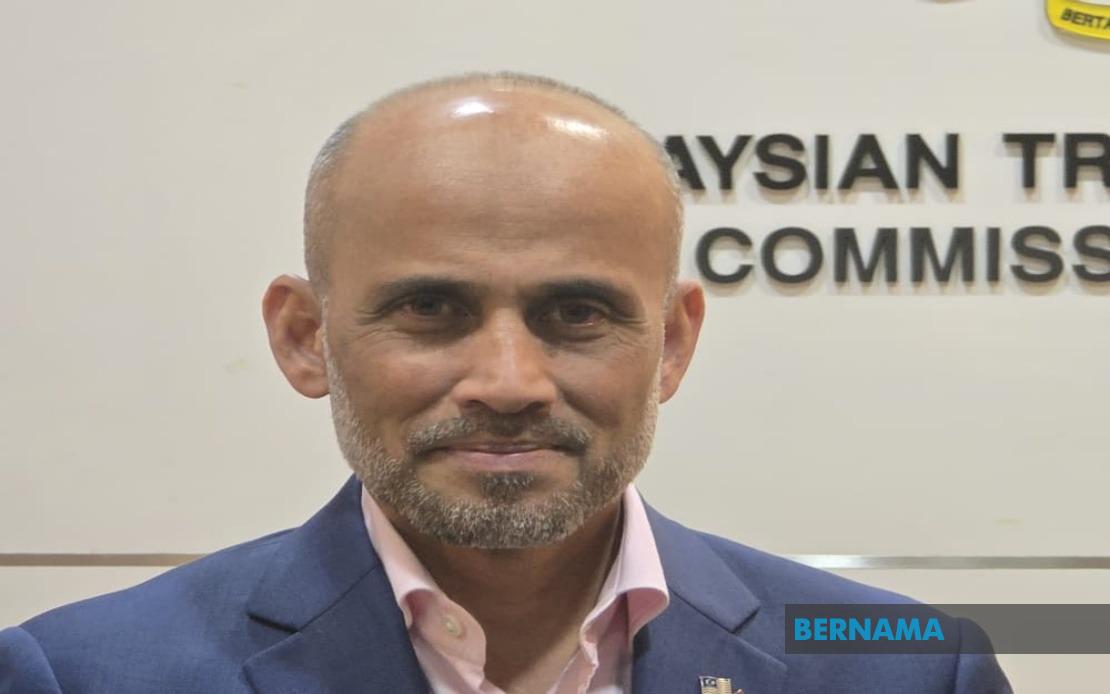
Datuk Dr Azfar Mohamad Mustafar, Malaysia's outgoing High Commissioner to Singapore, has characterised the relationship between the two nations as increasingly robust, shaped by collaborative efforts to surmount significant regional and global obstacles. In reflecting on his tenure since June 2021, Azfar emphasised that sustained engagement and mutual problem-solving have underpinned the deepening of Malaysia-Singapore ties during a period marked by unprecedented health crises and mounting geopolitical instability on the world stage.
Azfar's five-year posting in Singapore saw him navigate complexities that tested the bilateral relationship at multiple levels. The COVID-19 pandemic emerged as perhaps the most formidable challenge during his early months in office, forcing both governments to implement stringent containment measures that disrupted the seamless cross-border movement of workers and traders. With tens of thousands of Malaysians crossing the causeway daily for employment and commerce, the pandemic-related restrictions created profound administrative and logistical difficulties that demanded rapid diplomatic coordination between Kuala Lumpur and Singapore.
Consular operations became particularly strained during the peak pandemic period, as the sheer volume of Malaysian nationals requiring assistance in Singapore multiplied alongside border control complications. Azfar acknowledged that these consular challenges required swift responses and innovative solutions to ensure Malaysian citizens received adequate support. The experience underscored the deeply integrated nature of the two economies and the vulnerability of cross-border populations to health emergencies, prompting both governments to develop more resilient frameworks for future crises.
On the economic dimension, the recovery trajectory has been notably encouraging. Trade and investment flows between Malaysia and Singapore have rebounded to pre-pandemic levels, demonstrating the underlying strength and resilience of commercial ties despite external shocks. Singapore maintains its standing as one of Malaysia's most significant trading partners, a relationship forged through decades of complementary economic structures and geographic proximity.
Investment flows from Singapore into Malaysia represent another critical pillar of economic integration. Azfar highlighted Singapore's continued importance as a source of capital and technical expertise for Malaysian enterprises and development projects. The establishment of the Johor-Singapore Special Economic Zone presents a particularly promising avenue for expanded investment collaboration, signalling opportunities for deepened regional integration within the southern corridor of peninsular Malaysia.
Looking to the immediate future, Malaysia is positioning itself as a supportive partner for Singapore's assumption of the ASEAN chairmanship in the coming year. This endorsement carries significance beyond diplomatic courtesy, as it reflects Malaysia's commitment to regional stability and the advancement of collective ASEAN objectives. Singapore has identified economic integration as a central priority for its chairmanship term, and Malaysia's pledge of continued cooperation on this front signals alignment on pressing regional economic challenges.
Beyond trade facilitation, the two nations have identified infrastructure as a key arena for collaboration. The ASEAN Power Grid initiative represents an ambitious undertaking to enhance regional energy security and sustainability through interconnected electrical systems. Malaysia's commitment to working closely with Singapore on realising this initiative reflects broader recognition that energy resilience extends beyond national borders and requires coordinated regional action to withstand future disruptions.
Azfar's career trajectory demonstrates the depth of experience Malaysia brings to its diplomatic engagement with Singapore. Having joined Malaysia's Foreign Ministry in 2001 following two decades in administrative and diplomatic roles, and having previously served as Ambassador to France from 2018 to 2021, his appointment as High Commissioner reflected the Malaysian government's recognition of Singapore as a paramount diplomatic posting. His transition to the United Kingdom ambassadorship, effective July 1, signals continued confidence in his capabilities while also necessitating a transition in Malaysia's Singapore representation.
The diplomatic messaging emanating from Azfar's tenure reflects Malaysia's strategic calculation that strong bilateral relations with Singapore serve broader national and regional interests. Despite occasional tensions over maritime boundaries, water agreements, and sovereignty concerns that periodically surface in public discourse, Malaysia's diplomatic establishment consistently emphasises the imperative of maintaining functional, productive engagement with its most developed neighbour.
For Malaysian observers, Azfar's commentary underscores that the relationship has matured beyond transactional arrangements into a more comprehensive partnership spanning security, economic integration, and regional leadership. The willingness of both governments to collaborate through pandemic disruptions and geopolitical uncertainties suggests institutional resilience in bilateral mechanisms.
The reciprocal benefits of strengthened ties extend to Malaysian workers employed in Singapore, Malaysian traders accessing Singapore's markets and financial services, and Malaysian companies seeking investment capital. Any deterioration in bilateral relations carries tangible costs for these constituencies, making the diplomatic emphasis on sustained cooperation a practical economic necessity alongside a geopolitical preference.
As Azfar concludes his posting with modest understatement about his contributions, the broader picture suggests that Malaysia and Singapore have established sustainable frameworks for managing the complexity of coexistence as neighbouring city-states with intertwined populations and economies. Whether future diplomatic postings can maintain this momentum remains a central question for regional stability, particularly as global geopolitical competition intensifies.

