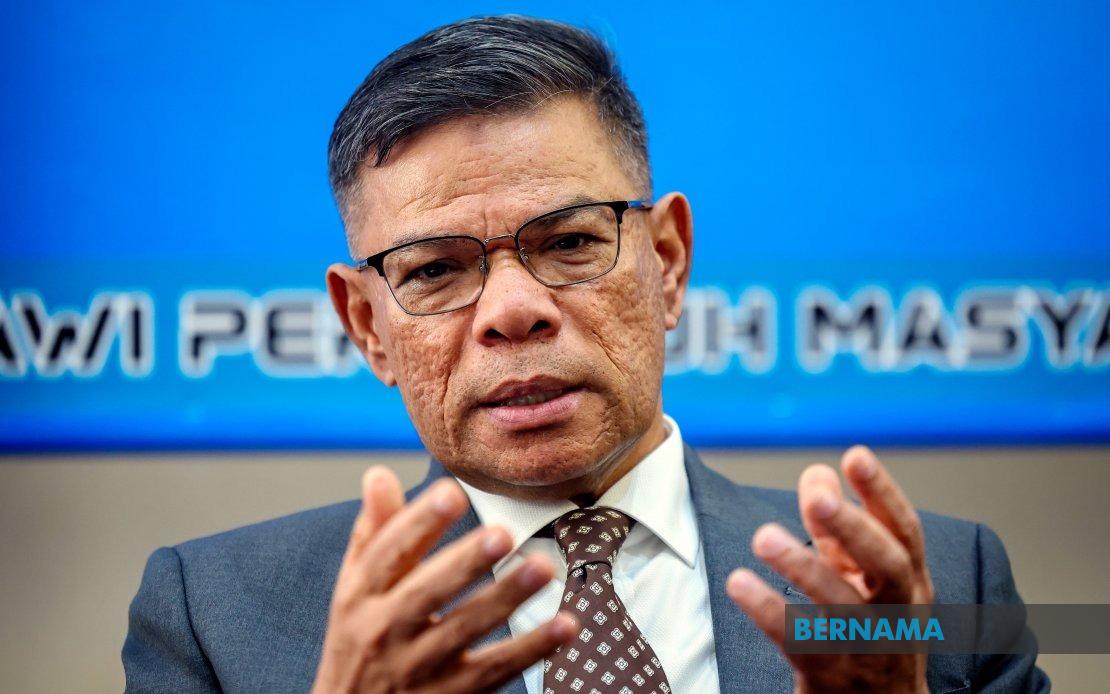
Cross-border traffic between Malaysia and Singapore flowed without significant delays on July 11 as voters headed to polling stations for the 16th Johor state election. The Malaysian Border Control and Protection Agency (AKPS) successfully managed the anticipated surge in movement at the two primary entry points—Sultan Iskandar Building (BSI) and Sultan Abu Bakar Complex (KSAB)—according to updates from Home Minister Datuk Seri Saifuddin Nasution Ismail, who shared real-time footage of conditions at both checkpoints.
The seamless passage came after AKPS implemented comprehensive measures designed specifically to accommodate voters returning from Singapore for the election. The agency had escalated operations to maximum capacity at both facilities, introducing dedicated lanes reserved for election-related travel and deploying hybrid processing counters to accelerate clearance times. Contra-flow arrangements, which allow vehicles to use lanes in both directions depending on traffic demand, were also activated to optimise the use of available infrastructure during peak hours.
These special arrangements began operating 24 hours before polling day and remained in effect throughout election day from 12.01 am through 6 pm, strategically timed to capture the morning rush of voters crossing from Singapore to participate in the poll. The extended hours reflected AKPS's anticipation that a significant portion of eligible voters residing in Singapore would attempt to return home to cast their ballots, creating potential bottlenecks at the strictly capacity-limited border facilities.
The operational efficiency demonstrated at the border checkpoints stands out against the backdrop of a high-stakes electoral contest. The Johor state election involved an unusually large candidate slate of 172 aspirants competing across 56 state assembly constituencies, a reflection of heightened political competition in Malaysia's second-largest state by population. The electoral machinery mobilised for this contest included 1,076 separate polling locations and 4,889 voting channels, all of which opened simultaneously at 8 am to process the expected voter turnout.
For Malaysian readers, the smooth border operations carry particular significance given the unique challenge posed by cross-border voters. Johor's proximity to Singapore means that tens of thousands of Malaysians work or reside there, creating a persistent electoral logistics challenge. Unlike most other Malaysian states where voters are geographically concentrated, Johor election management must account for a substantial diaspora community whose participation requires them to traverse a heavily fortified international border. The successful navigation of this constraint demonstrates the coordination required between civil and border management agencies during major electoral events.
The Election Commission had established an ambitious 70 per cent voter turnout target for the contest, reflecting expectations of robust public engagement with the electoral process. The efficiency at border crossing points contributed meaningfully toward meeting this benchmark, as delays or congestion could have discouraged cross-border voters from participating. Early projections suggested that full election results would be available as early as 10 pm the same evening, allowing for a swift declaration of the outcome and the composition of the new Johor state government.
From a broader Southeast Asian perspective, the incident underscores how neighbouring economies increasingly must develop integrated border management solutions that serve dual purposes: maintaining security and sovereignty while facilitating legitimate economic and civic movement. The Malaysia-Singapore border, among the world's busiest between two countries, handles roughly 200,000 daily crossings during normal periods. Electoral events compound this traffic, and the successful management of the Johor election represents an operational blueprint that could inform how other regional border authorities handle similar challenges during major civic events.
The Home Minister's public acknowledgment of the AKPS team's performance through social media reflected broader government messaging during the election period. Border security and orderly election administration have become increasingly prominent political talking points across Southeast Asia, with authorities keen to demonstrate both competence and the capacity to manage complex logistical challenges. Saifuddin Nasution's video documentation and commentary served to assure both voters and the general public that the electoral process was proceeding under control, potentially boosting confidence in the democratic exercise itself.
For Johor voters abroad, the availability of special crossing arrangements addressed a persistent grievance in Malaysian electoral politics. Historically, overseas Malaysian voters have faced considerable practical obstacles in returning home to vote, including lengthy processing times at borders during election periods. The AKPS measures represented a deliberate policy choice to reduce these barriers, framed within the government's broader democratic engagement objectives. By investing in special infrastructure and procedures, authorities signalled that cross-border participation was not merely tolerated but actively facilitated.
The operational success also carried implications for how Malaysia manages its relationship with Singapore during moments of heightened bilateral traffic. Border crossings, particularly those handling large surges in movement, can become diplomatic flashpoints if congestion or perceived unequal treatment emerges. The smooth flow reported by AKPS minimised the risk of friction, supporting the broader normative framework of cross-border cooperation that characterises the modern Malaysia-Singapore relationship despite historical tensions.

