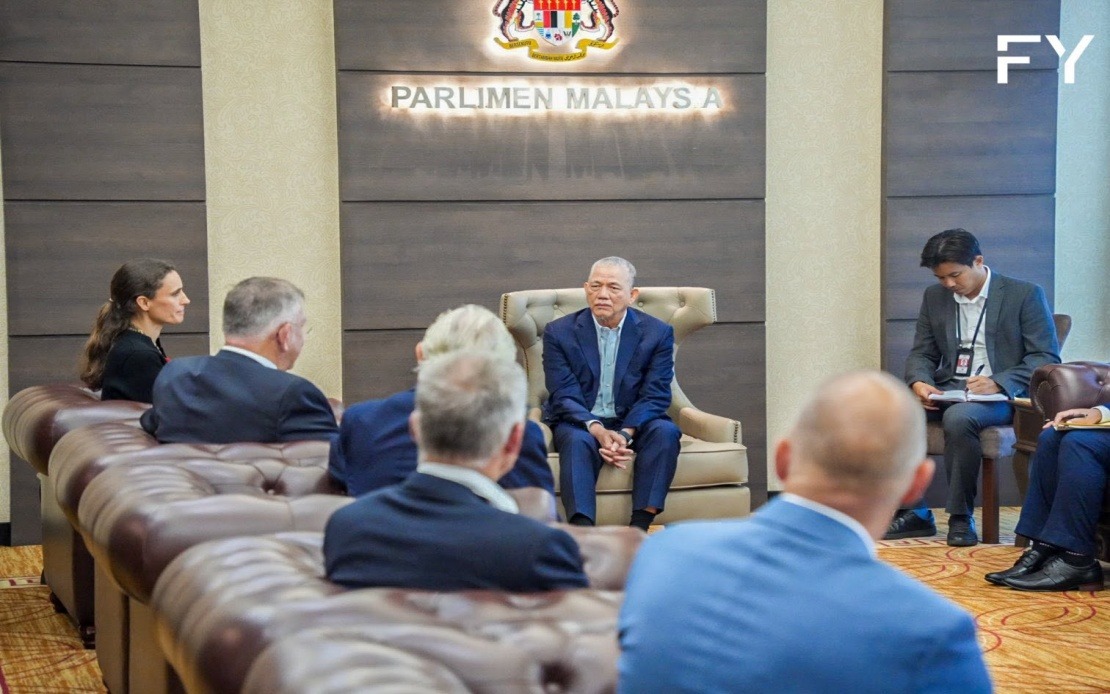
Malaysia is making a deliberate pitch to attract German small and medium enterprises into its rapidly expanding green technology sector, signalling deepening economic ties with Europe's industrial powerhouse. The overture came during a parliamentary meeting between Deputy Prime Minister Datuk Seri Fadillah Yusof and German Ambassador to Malaysia Silke Riecken-Daerr, who led a delegation representing Germany's SME business community. The discussion underscores Malaysia's strategic pivot toward sustainable investment as it seeks to position itself as a regional hub for environmentally responsible manufacturing and resource management.
Fadillah's explicit focus on three specific sectors—green technology, renewable energy, and water management systems—reflects a coordinated government approach to attracting foreign capital aligned with Malaysia's broader sustainability agenda. These sectors represent areas where German firms have demonstrated considerable technical expertise and innovation capacity. By targeting German SMEs rather than solely pursuing large multinational corporations, Malaysia is attempting to diversify its industrial base and strengthen supply chains in emerging technology domains where smaller, specialized companies often lead development.
The depth of existing German commercial presence in Malaysia provides a foundation for this expanded engagement. Over 800 German enterprises currently operate throughout the country across multiple industries, with particular concentration in mechanical engineering and advanced manufacturing technology. This established footprint suggests familiarity with Malaysian business practices, regulatory frameworks, and supply chain ecosystems, reducing barriers for new market entrants. Fadillah characterized Germany as one of Malaysia's most significant trading partners, highlighting that the bilateral economic relationship extends far beyond traditional sectors into specialized industrial niches.
Water management and treatment technology carries particular relevance for Malaysia and the broader Southeast Asian region. As economies in the region intensify industrial production and experience rapid urbanization, freshwater resources face mounting pressure. German companies have developed sophisticated water purification, recycling, and treatment systems that could address critical infrastructure needs across Malaysia and neighboring countries. Investment in this domain would simultaneously serve commercial objectives while contributing to regional environmental security—a dual benefit that appeals to government planners seeking to balance economic growth with resource sustainability.
Renewable energy represents another strategic priority for both nations. Malaysia has committed to increasing its renewable energy capacity significantly over the coming decade, with ambitious targets for solar and other clean energy sources. German expertise in photovoltaic technology, wind energy systems, and grid integration offers valuable knowledge transfer opportunities. SMEs in these fields often possess niche capabilities and innovative solutions that larger corporations cannot provide, making them particularly valuable partners for Malaysia's energy transition pathway.
The meeting also highlighted technical and vocational education as a complementary avenue for cooperation. Germany's renowned TVET system has consistently produced workers with specialized skills highly valued in advanced manufacturing sectors. Fadillah identified potential collaboration in this realm as a means to enhance Malaysia's human capital development and workforce competitiveness. This dimension of the engagement extends beyond immediate investment into longer-term structural improvements that would benefit the Malaysian economy across multiple industries and prepare workers for evolving technological demands.
Fadillah's confidence in strengthening bilateral relations reflects confidence among Malaysian policymakers that German SMEs represent a natural constituency for expanded partnership. Unlike large corporations that may have already established operations, smaller enterprises often seek new geographic markets with growth potential and supportive regulatory environments. Malaysia's positioning as a Southeast Asian manufacturing hub with strong infrastructure, established logistics networks, and a relatively business-friendly regulatory framework makes it an attractive destination for German firms seeking to expand beyond European markets.
The strategic timing of this engagement carries significance within broader geopolitical and economic contexts. As global supply chains undergo restructuring and Western economies seek to diversify sourcing arrangements outside traditional suppliers, countries like Malaysia stand to benefit from inflows of manufacturing expertise and capital. German SMEs considering regional expansion would find Malaysia's combination of geographic positioning, skilled workforce potential, and government support particularly compelling compared to alternative Southeast Asian locations.
For Malaysian manufacturers and technology firms, expanded German SME participation could catalyze knowledge transfer and competitive upgrading. Direct engagement with world-leading practitioners in green technology and water systems would expose local companies to advanced practices and foster innovation. This dynamic aligns with Malaysia's stated objective of moving up value chains and developing high-technology industries capable of competing globally.
The emphasis on sustainability represents an important signal to international investors about Malaysia's environmental commitment. Rather than positioning the country as a destination for environmentally problematic industries fleeing stricter regulations elsewhere, this approach attracts responsible investors seeking stable, long-term partnerships in sectors aligned with global climate goals. This positioning enhances Malaysia's international reputation and appeal to conscious capital sources increasingly screening investments through environmental criteria.
Moving forward, translating this diplomatic engagement into concrete investment flows will require continued coordination between government agencies, chambers of commerce, and potential German investors. Creating tailored incentive packages, streamlining regulatory processes for green technology sectors, and establishing dedicated support structures for incoming SMEs could accelerate project development. Such initiatives would demonstrate Malaysia's serious commitment beyond diplomatic gestures.