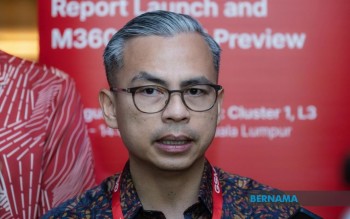
Kuala Lumpur has been chosen to host M360 ASEAN 2026 on September 9 and 10, marking a significant milestone for Malaysia's aspirations to become a regional technology and telecommunications powerhouse. Communications Minister Datuk Seri Fahmi Fadzil highlighted that this selection represents not only an honour for Malaysia but also a strategic opportunity to position the country at the forefront of Southeast Asia's digital transformation agenda. The event, organised by the GSM Association, will convene a diverse ecosystem of stakeholders including major telecommunications operators, technology vendors, industry experts, institutional investors, academic researchers, and government policymakers from across the ASEAN region.
The inaugural nature of M360 ASEAN 2026 carries particular significance for Malaysian technology advocates and policymakers. This marks the first occasion that the event has been held anywhere within ASEAN, underscoring the region's growing importance to the global telecommunications industry and the confidence placed in Malaysia's capacity to organise a world-class conference. The selection reflects recognition of Kuala Lumpur's established credentials as a technology hub and its emerging role as a venue for high-level industry gatherings that shape regional strategic direction.
One of the conference's primary functions will be to serve as a forum for articulating and debating the future trajectory of digital development across Southeast Asia. Participating nations will engage in substantive discussions about expanding connectivity infrastructure, a critical challenge for a region where digital access remains uneven across urban and rural areas. Beyond connectivity, the gathering will provide a platform for exploring frameworks that allow ASEAN countries to harness artificial intelligence technologies in ways that balance innovation with responsible deployment, a concern increasingly prominent among regional policymakers concerned about social and economic disruption.
The economic implications of the conference extend well beyond the immediate event itself. According to analysis presented by GSMA, mobile technologies and services are projected to inject approximately US$1.4 trillion into the Asia-Pacific economy by 2030, representing a substantial 40 per cent increase from the current contribution of US$1 trillion. This projection underscores the magnitude of the digital economy opportunity within the region and highlights why Malaysia's selection as host carries strategic weight for the nation's long-term economic positioning.
The conference framework reflects recognition that the next generation of regional digital growth will be determined not merely by infrastructure expansion but by how governments, telecommunications operators, and technology providers collectively respond to four interconnected strategic priorities. These priorities reveal the complexity of contemporary digital governance in Southeast Asia and suggest areas where Malaysian leadership and policy innovation could make meaningful contributions to regional advancement.
The rapid proliferation of artificial intelligence represents the first of these strategic imperatives. As AI applications increasingly permeate telecommunications networks, business operations, and consumer services, ASEAN nations must develop governance frameworks and industry standards that foster innovation while protecting citizens and businesses from emerging risks. Malaysia's participation in these discussions provides opportunity to shape regional AI governance approaches aligned with the nation's own regulatory preferences and strategic interests.
Declining digital trust constitutes the second priority driving conference discussions. Across Southeast Asia, concerns about data security, privacy violations, and the reliability of digital platforms have grown as digital adoption accelerates. Telecommunication providers, technology companies, and governments must collectively work to restore and strengthen confidence in digital ecosystems, a challenge particularly acute in markets where regulatory capacity remains inconsistent and where cross-border data flows complicate oversight mechanisms.
The imperative for more resilient digital infrastructure represents a third critical focus area. The region's experience during the COVID-19 pandemic, geopolitical disruptions, and natural disasters has demonstrated the vulnerability of current digital systems to multiple categories of shock. Building redundancy, diversification, and robustness into telecommunications and internet backbone systems has become a priority for both individual nations and regional coordination bodies seeking to ensure continuity of essential digital services.
The fourth priority—growing interest in digital sovereignty—reflects deepening concerns among Southeast Asian governments about technological autonomy and dependence on foreign technology providers and infrastructure. Nations increasingly seek to understand how they can maintain control over their digital ecosystems, protect sensitive data, and reduce vulnerability to external pressures or surveillance. This theme likely will generate substantial discussion about localisation requirements, domestic technology development support, and regional cooperation mechanisms that reduce individual nations' technological vulnerability.
For Malaysia specifically, hosting this inaugural ASEAN gathering offers tangible opportunities to influence regional telecommunications and AI policy architecture during a formative period. The nation's own initiatives in artificial intelligence development, 5G deployment, and digital infrastructure modernisation will gain visibility among peer nations and international investors evaluating opportunities in Southeast Asia. The conference provides platform for showcasing Malaysian regulatory approaches, technological capabilities, and investment climate to an influential audience of corporate executives and government decision-makers.
The presence of international technology vendors and investors creates secondary benefits for Malaysia's broader economic development objectives. Participants will observe the quality of Malaysia's business environment, transportation infrastructure, and facilities management, factors influencing future investment location decisions by technology companies and telecommunications operators considering regional expansion. Beyond immediate commercial considerations, the event enhances Kuala Lumpur's international profile as a destination for high-level conferences and technical gatherings, contributing to the nation's positioning within global knowledge economy networks.
Regional cooperation mechanisms are likely to emerge from conference discussions, potentially including joint technical standards, information-sharing arrangements on cybersecurity threats, and coordinated approaches to technology governance challenges. Malaysia's role as host positions it to help shape these mechanisms according to national preferences and to build diplomatic relationships with regional counterparts focused on technology policy. As ASEAN nations increasingly recognise the strategic importance of digital infrastructure and AI governance, platforms like M360 ASEAN 2026 become essential venues for building consensus and coordinating responses to shared challenges.

