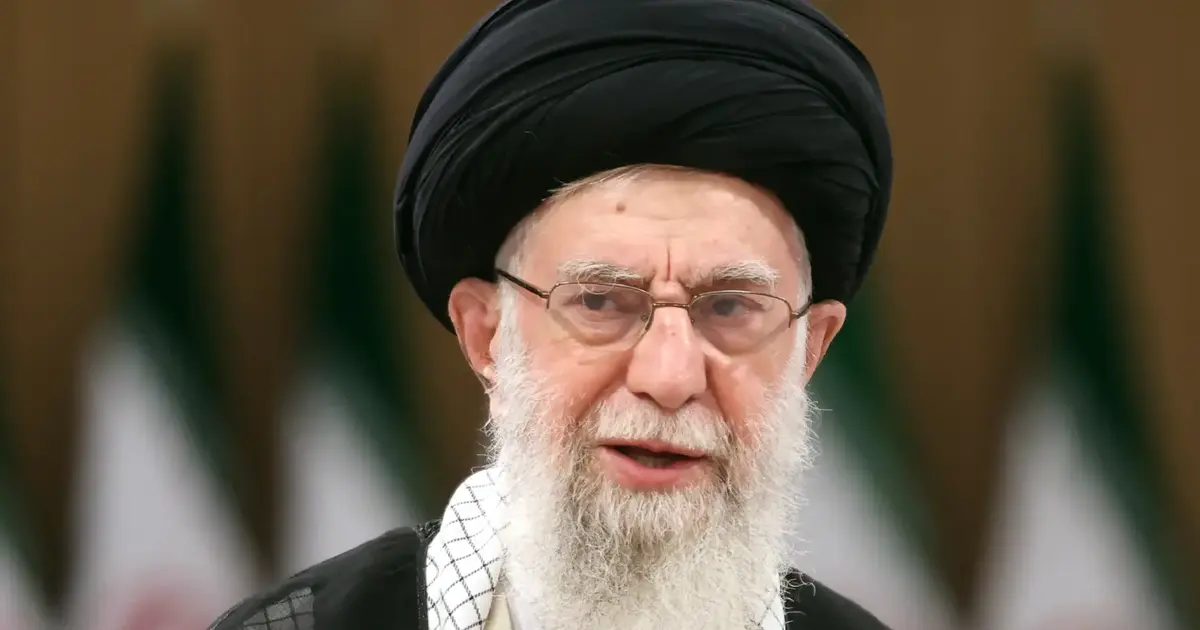
Malaysia will be represented at the funeral of Iran's Supreme Leader Ali Khamenei by Agriculture and Food Security Minister Mohamad Sabu, according to an announcement by Prime Minister Anwar Ibrahim. The diplomatic gesture underscores Malaysia's ongoing diplomatic engagement with Iran, a significant player in Middle Eastern geopolitics and an important trading partner in the broader Islamic world.
The decision to send Mohamad Sabu reflects the calibre of representation that Kuala Lumpur intends to accord to the occasion. As a senior cabinet minister overseeing critical domestic portfolios including agriculture and food security, his attendance carries symbolic weight, signalling Malaysia's respect for the Iranian leadership transition and the country's commitment to maintaining bilateral relations during a period of considerable political significance in Tehran.
Ali Khamenei's death marks a pivotal moment in Iranian politics, with implications that extend far beyond Tehran's borders. As the supreme leader since 1989, Khamenei exercised decisive authority over Iran's military, judiciary, and state media, making his passing a defining transition in the Islamic Republic's governance structure. For neighbouring countries and trading partners like Malaysia, the funeral represents both a formal occasion for diplomatic courtesy and an opportunity to signal Malaysia's position in a complex geopolitical landscape where Iran maintains considerable regional influence.
The timing of Malaysia's representation also reflects broader considerations within the Southeast Asian diplomatic community. Several nations across the region maintain delicate balancing acts between their relationships with Iran and their strategic partnerships with Western powers and Gulf states. By sending a ministerial-level representative, Malaysia demonstrates that it maintains substantive engagement with Tehran while navigating these competing interests with careful diplomacy.
Mohamad Sabu's background makes him a suitable choice for this assignment. Beyond his current agricultural portfolio, his political trajectory and standing within the government provide him with the gravitas appropriate for such a significant diplomatic function. The selection process itself, overseen by Prime Minister Anwar Ibrahim, reveals Kuala Lumpur's thoughtful approach to representation at major international events, particularly those involving regional powers whose decisions can influence trade flows, energy security, and broader stability in Asia.
Iran remains an important economic partner for Malaysia, with bilateral trade encompassing petroleum products, petrochemicals, and agricultural goods flowing both directions. The funeral attendance, therefore, also carries subtle commercial undertones, as diplomatic engagement at such high-profile moments helps reinforce relationships that underpin economic cooperation. Malaysia's agricultural sector, which Mohamad Sabu oversees, has particular reasons to maintain productive relations with Iran, a significant market for Malaysian palm oil and other agricultural exports.
The funeral ceremony itself will likely draw a substantial international contingent, reflecting Khamenei's significance within the Muslim world and Iran's geopolitical importance. For Malaysia, participation in such ceremonies serves multiple purposes: it fulfils diplomatic protocol obligations, allows the country to demonstrate respect for a fellow Muslim-majority nation, and provides opportunities for informal networking with other delegations at an event that will concentrate international decision-makers in one location.
Anwar Ibrahim's public confirmation of this arrangement also serves a domestic political function, demonstrating to Malaysian audiences that the government remains engaged in sophisticated statecraft and maintains relationships with nations beyond the Western-aligned sphere. In Malaysian politics, where foreign policy occasionally features in domestic discourse, such announcements can reinforce perceptions of a government conducting active, independent diplomacy.
The funeral attendance must be considered within the broader context of Malaysia's foreign policy under the current administration. Since taking office, the Anwar Ibrahim government has emphasised a multi-aligned approach to international relations, rejecting false choices between engagement with Western powers and maintaining substantive ties with non-aligned nations. This position reflects Malaysia's historical non-aligned tradition and its understanding that comprehensive national interests require diplomatic flexibility and the cultivation of relationships across diverse regions and political systems.
For observers monitoring Malaysia's diplomatic positioning in regional affairs, the decision to send Mohamad Sabu signals continuity in Malaysia's approach to Iran relations while also demonstrating that ministerial-level representation remains reserved for occasions of genuine significance. The government has carefully calibrated its response, neither absenting itself from an important regional event nor sending its most senior leadership, a balance that reflects sophisticated diplomatic calculation.
The funeral also provides Malaysia with an opportunity to observe how Iran's political transition unfolds and to position itself advantageously for engagement with Iran's next leadership structures. Diplomatic presence at such transitions often facilitates smoother relations in the subsequent period, allowing nations to establish connections with emerging power centres during a period when attention and networking naturally concentrate at the highest levels.

