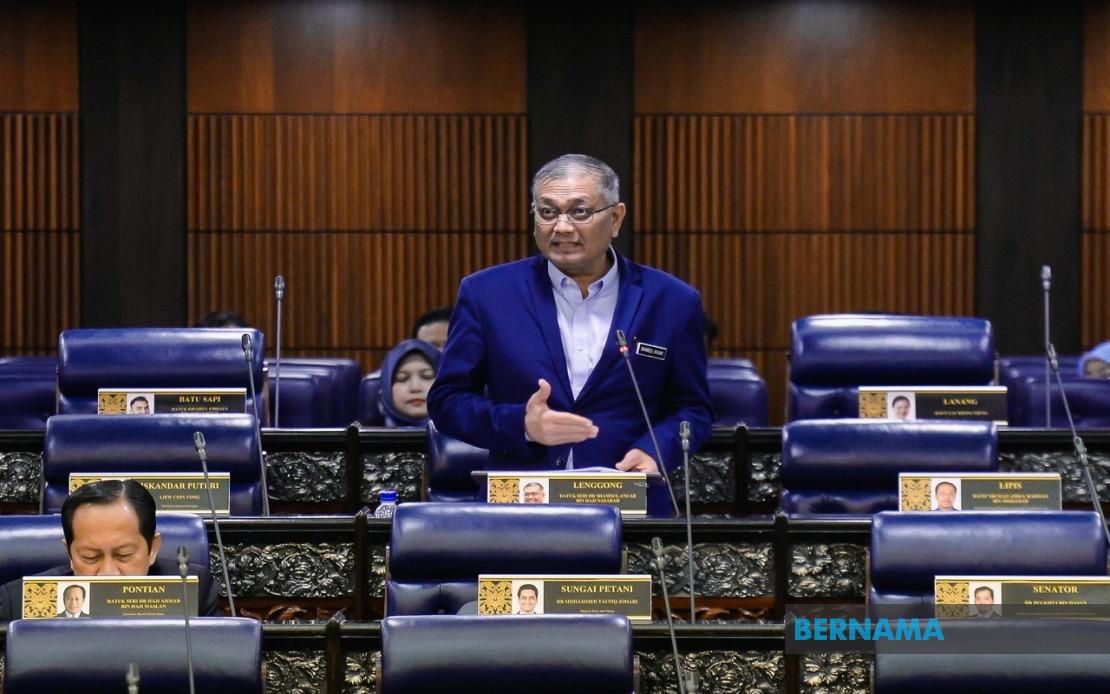
Law enforcement agencies in Malaysia have intensified their campaign against unlicensed cryptocurrency mining, confiscating more than 75,000 machines through raids conducted over the past three years. Deputy Home Minister Datuk Seri Dr Shamsul Anuar disclosed that the coordinated enforcement effort, spanning from 2022 through May 2024, has resulted in the seizure of mining equipment across the nation through more than 3,000 separate operations. The scale of the crackdown underscores the growing challenge posed by illegal digital asset extraction activities, which have proliferated despite regulatory warnings and enforcement actions.
The coordinated operations involved multiple government agencies working in tandem to dismantle these unauthorised facilities. The Royal Malaysia Police partnered with Tenaga Nasional Berhad (TNB), the national utility company, alongside municipal authorities and other regulatory bodies to identify and shut down illegal mining installations. This multi-agency approach reflects the complexity of tackling cryptocurrency mining operations, which often span jurisdictional boundaries and require specialized technical expertise to detect and dismantle. The collaboration between law enforcement and utility companies has proven particularly effective, as mining installations typically require substantial electricity supplies that leave detectable traces in power consumption patterns.
A total of 629 individuals have been apprehended in connection with these operations, though the deputy minister did not provide detailed breakdowns regarding charges or convictions. The arrests span various roles within the illegal mining ecosystem, from site operators to those facilitating unauthorized electricity connections. This criminal dimension extends beyond simple administrative violations, encompassing theft of electrical services and infrastructure tampering that pose risks to the broader power distribution network. The enforcement actions have disrupted supply chains and network operations that support these underground mining enterprises.
The persistence of illegal cryptocurrency mining despite enforcement efforts stems from multiple converging factors. The potentially substantial profits available from mining digital assets continue to attract participants, particularly given the volatility in cryptocurrency valuations that can generate significant returns over short periods. However, the profitability calculations that drive this illegal activity depend fundamentally on reducing operational costs through electricity theft and unauthorized grid connections. Mining operations are energy-intensive undertakings, meaning that electricity represents the dominant expense category, making theft of power an essential component of many operators' cost structures.
Electricity theft through unauthorized connections and meter tampering not only defrauds TNB but also destabilizes power distribution infrastructure. The deputy minister emphasized that cryptocurrency mining becomes unlawful when practitioners engage in unauthorized electrical connections, tamper with metering equipment, disrupt power supply systems, or operate without mandatory regulatory licenses. These distinctions are important, as they establish a clear legal framework distinguishing between permitted activities—such as cryptocurrency ownership and trading—and the specific criminal conduct associated with unregulated mining operations. Malaysia's regulatory posture permits cryptocurrency transactions while maintaining strict licensing requirements for mining activities.
Regulatory oversight of digital assets in Malaysia remains fragmented across multiple institutions with distinct mandates. The Securities Commission Malaysia maintains responsibility for regulating digital assets under applicable legislation, establishing frameworks for cryptocurrency-related activities within the financial system. Bank Negara Malaysia, the central bank, oversees broader financial stability concerns, payment system integrity, and compliance with anti-money laundering regulations. This division of regulatory authority reflects the challenge of applying traditional financial oversight mechanisms to emerging digital asset technologies that operate partly outside conventional banking infrastructure.
The enforcement strategy has evolved to incorporate more sophisticated detection methodologies, moving beyond reactive raids toward proactive intelligence gathering and predictive analysis. The Home Ministry has emphasized the importance of deploying advanced technology to identify potential mining hotspots before conducting operations, enabling authorities to respond faster and concentrate resources more effectively. This shift toward data-driven enforcement represents a more nuanced approach than blanket crackdowns, allowing limited enforcement resources to achieve maximum impact through targeted interventions in areas exhibiting highest concentrations of illegal activity.
The implications of this enforcement campaign extend beyond cryptocurrency regulation into broader electricity security and infrastructure protection. The cumulative electricity theft associated with these 75,000+ confiscated mining machines represents substantial economic losses for TNB, while simultaneously imposing strain on power distribution systems not designed to accommodate such concentrated, unauthorized demand. Power system reliability concerns arising from illegal mining installations present additional justification for continued enforcement, as the theft of electricity can compromise voltage stability and create cascading failures affecting legitimate consumers.
Regional considerations also factor into Malaysia's approach to cryptocurrency enforcement. Southeast Asian countries face common challenges in regulating digital asset activities operating across borders and jurisdictions, with mining installations sometimes deliberately located near international boundaries or in areas with weaker enforcement capacity. The Malaysian government's intensified crackdown demonstrates a commitment to maintaining regulatory control over critical infrastructure, though sustained effectiveness will require ongoing international coordination with neighboring countries pursuing similar objectives. The technology underlying cryptocurrency mining remains inherently difficult to regulate through geographic enforcement alone, necessitating continued investment in detection capabilities and cross-border intelligence sharing.
Looking forward, the trajectory of enforcement activities suggests that authorities perceive cryptocurrency mining as a persistent challenge requiring sustained, resource-intensive responses rather than a problem amenable to resolution through short-term crackdowns. The maintenance of coordinated task forces and the continued investment in detection technology indicate an expectation that illegal mining operations will continue adapting to enforcement pressures. Economic incentives driving these activities remain intact, suggesting that without either substantial changes in cryptocurrency valuations or more fundamental shifts in regulatory approach, enforcement agencies will continue managing this issue as an ongoing priority.

