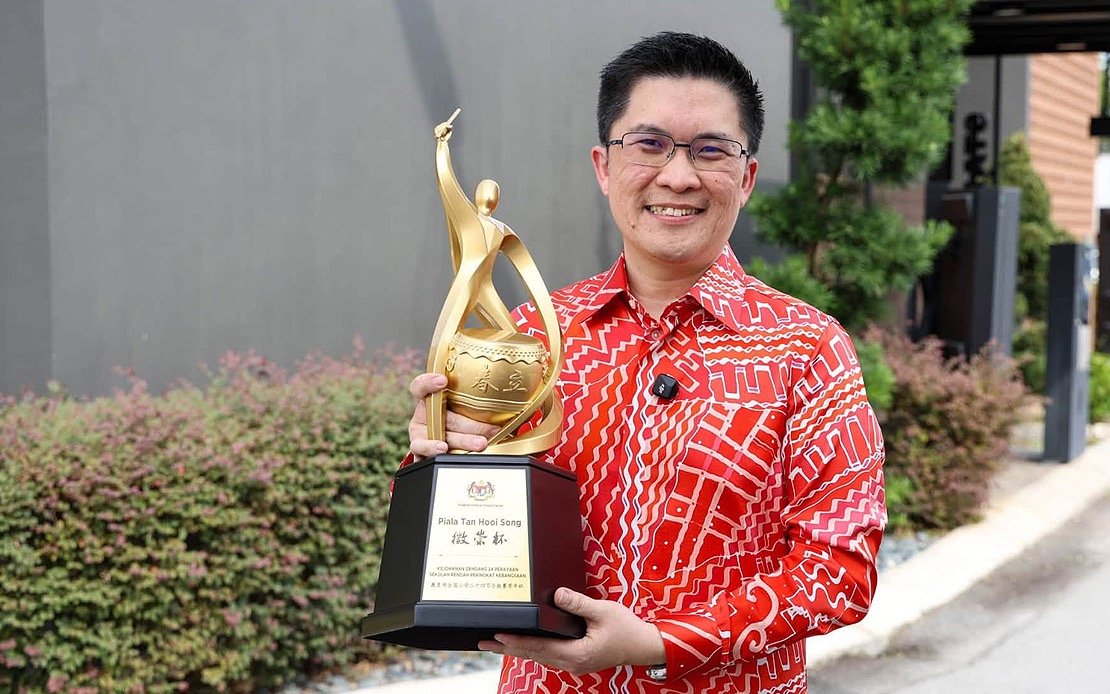
Malaysia's Education Ministry is preparing a formal application to secure United Nations Educational, Scientific and Cultural Organisation (UNESCO) recognition for Gendang 24 Perayaan, a distinctive traditional percussion art form that has become deeply woven into the nation's cultural identity. Deputy Education Minister Wong Kah Woh announced the initiative at the closing ceremony of the National Primary Schools Gendang 24 Finals Competition in Ipoh, emphasising the government's commitment to safeguarding and nurturing this heritage art among Malaysia's student population.
Wong described the UNESCO recognition effort as a core strategic objective for the ministry, reflecting broader governmental recognition that cultural heritage preservation requires institutional backing and international validation. The push to secure UNESCO status represents an escalation of efforts that began with serious planning discussions in May, when Wong and his ministry team mapped out the procedural and logistical requirements for advancing the application through the United Nations cultural body. This move positions Malaysia among nations actively working to have traditional art forms inscribed on the global cultural heritage registry, a process that demands careful documentation of the art's historical significance, current practice, and transmission methods.
The Gendang 24 Perayaan tradition itself carries considerable historical weight within Malaysia's cultural landscape. Established in 1988 by two pioneering cultural figures, the late Tan Hooi Song and Tan Chai Puan, the art form achieved formal recognition as Intangible National Heritage in 2009, cementing its importance at the domestic level. The three-decade journey from its founding to national heritage status demonstrates how traditional cultural practices gain institutional legitimacy in modern Malaysia, though international recognition through UNESCO would represent a significant step toward preserving it from cultural erosion amid globalisation pressures.
What makes the ministry's initiative particularly significant is the documented expansion of Gendang 24 Perayaan within the education system itself. The art form has grown from a handful of participating school teams to hundreds of educational institutions nationwide, indicating successful integration into Malaysia's co-curricular and arts education framework. This expansion suggests that the cultural practice has proven adaptable to contemporary educational contexts, appealing to young Malaysians and demonstrating viable pathways for transmitting traditional knowledge across generational lines—a critical consideration for UNESCO's intangible heritage evaluation criteria.
The ministry has already implemented targeted programmes to strengthen the ecosystem surrounding Gendang 24 Perayaan's practice and teaching. A Train the Trainers initiative works to equip school educators with the skills and knowledge necessary to introduce and develop the art form within their institutions, essentially building a sustainable infrastructure for cultural transmission. This systematic approach to educator development ensures that Gendang 24 Perayaan remains professionally taught rather than reliant on informal community transmission alone, enhancing its credibility in formal heritage documentation.
The National Primary Schools Gendang 24 Finals Competition, organised by the Sports, Co-curricular and Arts Division of the Education Ministry in partnership with the Malaysia Gendang 24 Perayaan Association, featured 16 elite primary school teams comprising 417 students drawn from institutions across Malaysia. Yayasan Sime Darby's role as primary sponsor underscores how corporate entities increasingly engage with cultural heritage preservation initiatives, a partnership model that provides both financial sustainability and commercial visibility to traditional art forms. The competition's structure and scale demonstrate that Gendang 24 Perayaan has transitioned from a niche cultural practice to a significant component of national youth arts education.
For regional observers, Malaysia's pursuit of UNESCO recognition for Gendang 24 Perayaan reflects broader Southeast Asian trends toward documenting, preserving, and gaining international validation for traditional cultural forms threatened by modernisation and cultural homogenisation. The art form's percussion-based nature connects it to wider musical traditions across the region, while its specifically Malaysian genesis and development story offer a compelling narrative for UNESCO's intangible heritage framework. Other Southeast Asian nations facing similar pressures to preserve traditional practices may view Malaysia's application process as a instructive model for their own cultural heritage initiatives.
The implications of securing UNESCO recognition extend beyond symbolic prestige. International heritage status typically enhances cultural tourism potential, generates research interest from global academic institutions, and strengthens policy arguments for sustained educational funding and institutional support. For Gendang 24 Perayaan practitioners and associated communities, UNESCO inscription would validate decades of cultural work and provide international platform visibility that traditionally trained artists rarely achieve in their home countries.
Malaysia's strategic approach to this heritage preservation effort reveals how contemporary governments conceptualise cultural continuity. Rather than treating traditional arts as historical artefacts preserved in museums or academic archives, the Education Ministry's integration of Gendang 24 Perayaan into active school curricula positions the practice as living culture with contemporary relevance. This operational philosophy aligns with modern UNESCO approaches, which increasingly prioritise living heritage practices that communities actively transmit and evolve, rather than frozen representations of historical forms.
The competitive framework showcased in Ipoh also demonstrates how traditional art forms can engage young audiences through contemporary sporting and competitive structures. By framing Gendang 24 Perayaan practice within a national competition format complete with finals and official ceremonies, the ministry has created institutional legitimacy and achievement pathways for young practitioners—recognition structures that appeal to contemporary Malaysian students accustomed to academic and sporting competitions. This pedagogical innovation may explain the art form's sustained growth within school systems, suggesting that traditional heritage can thrive when packaged within frameworks that contemporary youth find meaningful.
As Malaysia proceeds with its UNESCO application, the ministry's work in documentation, educator training, and institutional integration will form the evidentiary foundation supporting the claim that Gendang 24 Perayaan remains a vital, practised component of Malaysian cultural life rather than a historical curiosity. The submission will ultimately rest not merely on the art form's historical origins or national heritage designation, but on demonstrable evidence that Gendang 24 Perayaan continues to be actively transmitted, practised, and valued by communities—evidence that the expanding school competition programme and growing educator networks substantially provide.

