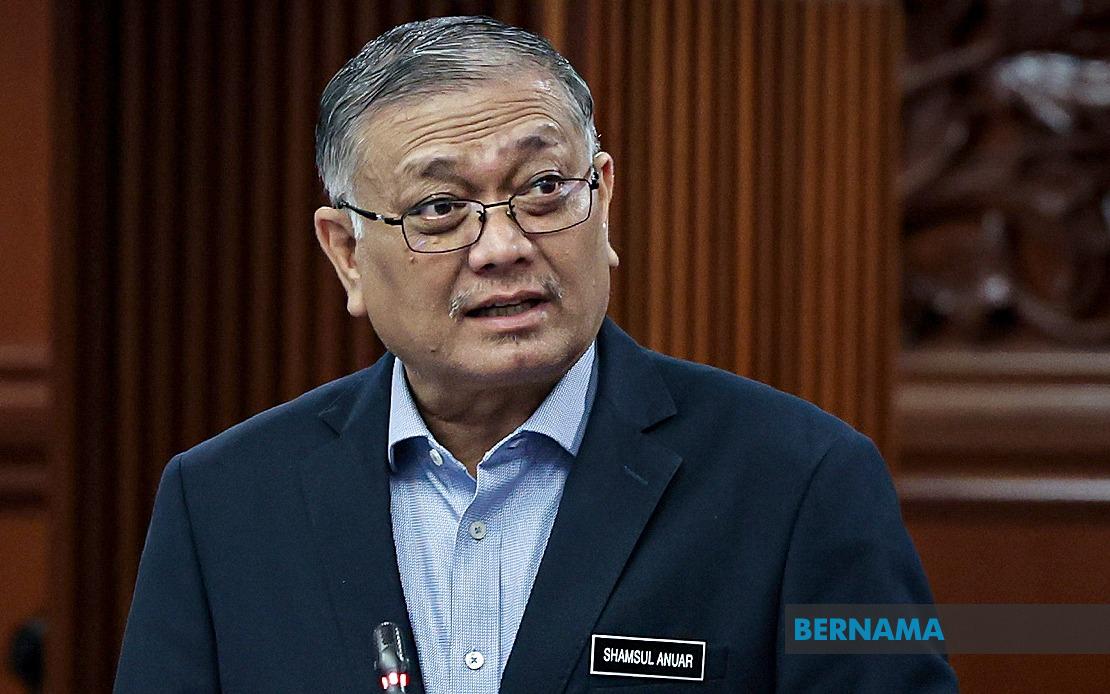
The Malaysian government has reiterated its commitment to assessing citizenship applications fairly on their individual merits, addressing concerns about access to citizenship for vulnerable populations including children born abroad to Malaysian mothers. Deputy Home Minister Datuk Seri Dr Shamsul Anuar Nasarah provided this clarification during parliamentary debate on the Human Rights Commission of Malaysia (SUHAKAM) 2024 Annual Report, emphasising that the death of a Malaysian parent does not automatically bar descendants from pursuing citizenship status through established legal channels.
Under Malaysia's constitutional framework, individuals aged 21 and above who have never previously sought citizenship retain the right to apply for naturalisation under Article 19 of the Federal Constitution. This provision proves particularly significant for persons born to Malaysian mothers in foreign countries or those who lack complete documentation from birth. However, candidates must satisfy several stringent prerequisites before approval, including possession of permanent resident status, completion of mandatory residency periods, demonstrated good moral character, and competency in the Malay language. The requirements reflect the government's approach of balancing humanitarian considerations with national security imperatives.
Shamsul Anuar underscored that every application undergoes rigorous examination encompassing background investigations, thorough document verification, and comprehensive security checks. This multi-layered vetting process aims to ensure only genuinely qualified individuals receive citizenship while protecting the nation's sovereignty and territorial integrity. Officials assess each case according to specific circumstances presented, supporting documentation provided, and applicable constitutional and statutory provisions. The government contends this personalised approach prevents both wrongful rejection of legitimate candidates and potential security vulnerabilities.
To enhance efficiency without sacrificing procedural rigor, the Home Ministry has established a one-year target for processing complete citizenship applications. This deadline represents an administrative milestone designed to reduce excessive delays that have historically plagued citizenship procedures. Ministry officials monitor compliance with this timeline closely, recognising that protracted uncertainty creates hardship for applicants and their families. Nonetheless, Shamsul Anuar acknowledged that accelerating processes must occur without compromising assessment integrity or national security standards.
A particularly innovative initiative addresses systemic documentation challenges endemic to Sabah and Sarawak, states where record-keeping gaps and historical administrative inconsistencies have complicated citizenship verification. A Special Task Force comprising the National Registration Department (JPN) and the Sarawak Premier's Department has been mobilised to conduct field operations targeting documentation resolution. These operations focus on birth registration issues and identity document issuance for individuals meeting eligibility criteria. By establishing ground-level support infrastructure, the task force seeks to eliminate documentation barriers preventing otherwise qualified applicants from pursuing citizenship claims.
Complementing this administrative mechanism, a state-level committee in Sarawak specialises in citizenship applications falling under Article 15E of the Federal Constitution. This dedicated body reviews particularly complex cases requiring special federal consideration, notably applications involving minors whose circumstances demand individualised attention. The committee's existence acknowledges that standard procedures may prove inadequate for exceptional situations involving vulnerable populations. By creating specialised review pathways, Malaysia attempts to address humanitarian concerns within constitutional bounds.
The citizenship clarification occurs amid broader regional refugee challenges commanding heightened government attention. Deputy Foreign Minister Datuk Lukanisman Awang Sauni reaffirmed Malaysia's commitment to supporting Rohingya populations currently residing in the country, emphasising coordination through ASEAN mechanisms and partnership with the United Nations High Commissioner for Refugees (UNHCR). He characterised the Rohingya and broader refugee crises as transcending national boundaries, generating destabilising cross-border effects including irregular migration patterns, human trafficking networks, and security complications affecting multiple Southeast Asian nations.
Malaysia positions itself as steadfast supporter of ASEAN's Five-Point Consensus, the bloc's principal strategic framework for addressing Myanmar's ongoing political and humanitarian crisis. Lukanisman stressed that durable resolution requires active participation and support from the international community extending beyond regional actors. Malaysia continues advocating for expanded burden-sharing responsibilities among developed nations, particularly regarding refugee resettlement opportunities in third countries. This diplomatic positioning reflects recognition that Malaysia, despite sympathetic policies toward displaced populations, cannot unilaterally resolve displacement crises originating in neighbouring nations.
The government's dual emphasis on streamlined citizenship procedures and enhanced refugee support reflects Malaysia's navigation between humanitarian obligations and practical governance constraints. For Southeast Asian context, Malaysia's experience with citizenship documentation challenges mirrors complications faced by other ASEAN members with significant migrant populations and historical administrative gaps. The establishment of task forces and specialised committees demonstrates administrative innovation aimed at resolving systemic issues without fundamentally revising citizenship eligibility standards. However, observers note that processing targets and committee structures require sustained political commitment and adequate resource allocation to translate policy intentions into tangible outcomes for applicants.
For Malaysian citizens concerned about family separation and nationality status, the clarified procedures signal government flexibility regarding exceptional cases while maintaining security screening protocols. Individuals with Malaysian mothers who faced previous application rejections may reconsider pursuing naturalisation claims under revised understanding of assessment criteria. Immigration consultants anticipate potential increased applications from diaspora communities previously deterred by perceived rigid procedures. The ministry's emphasis on individual case evaluation potentially opens pathways for applicants whose circumstances previously fell outside standard categorical frameworks.

