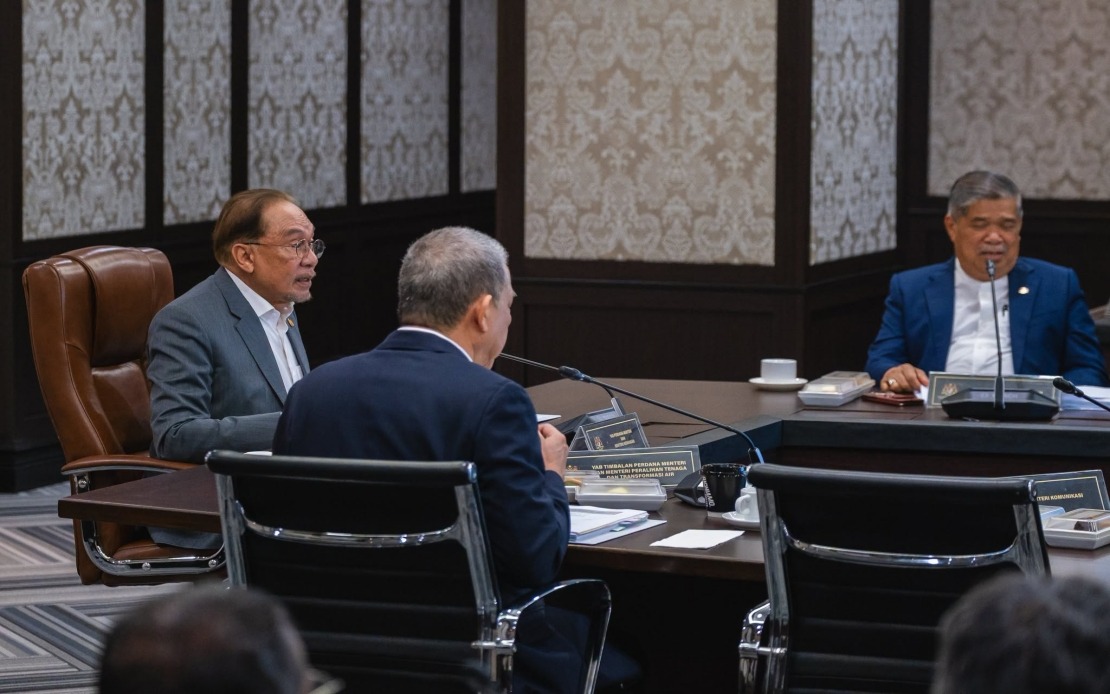
Malaysia is pushing for resolution of longstanding trade barriers with Thailand that have constrained the country's aquaculture exports and blocked entry for local livestock products into the Thai market. Agriculture and Food Security Minister Datuk Seri Mohamad Sabu disclosed that bilateral trade issues featured prominently in discussions at the National Food Security Council Meeting No. 1 of 2026, chaired by Prime Minister Datuk Seri Anwar Ibrahim, signalling the heightened priority placed on resolving these diplomatic trade disputes at the highest government levels.
The shrimp export restrictions imposed by Thailand have persisted for nearly a decade, creating substantial challenges for Malaysian aquaculture producers who historically depended on significant shipments to the neighbouring kingdom. This protracted barrier represents one of several trade complications affecting the sector, as Thailand simultaneously implemented its own import restrictions on shrimp destined for Malaysia effective June 1, demonstrating reciprocal trade tensions that extend beyond unilateral protectionism. Additionally, Malaysian barramundi exports to Thailand face increasingly rigorous inspection protocols that threaten to further complicate bilateral commerce in seafood products.
Beyond the established shrimp dispute, Malaysia has been seeking regulatory approval for its livestock products to access Thai markets since 2024, an application that remains pending despite more than eighteen months of processing time. The delay in granting market access reflects broader trade friction between the two countries and raises questions about the underlying regulatory and diplomatic mechanisms governing cross-border agricultural commerce within Southeast Asia. For Malaysian livestock producers, this prolonged uncertainty prevents market diversification and forces reliance on existing buyer relationships in other regions.
The government's decision to elevate these trade matters to the national food security council underscores the strategic importance of resolving agricultural export challenges, particularly given Malaysia's vulnerability to external supply disruptions. By placing these issues within a comprehensive food security framework rather than treating them as isolated commercial disputes, policymakers are signalling that maintaining robust agricultural export channels directly supports national food stability and economic resilience. This strategic framing reflects recognition that food security encompasses not merely domestic production but also the ability to maintain international market presence.
Climate considerations have added urgency to these negotiations. The government acknowledges that El Niño phenomena and broader climate change patterns pose significant drought risks that could constrain local agricultural production in coming years. Under these climatic pressures, maintaining and expanding export markets becomes increasingly critical, as domestic producers need reliable overseas revenue streams to sustain their operations through periods of reduced domestic yields. The timing of these trade discussions therefore aligns with longer-term climate adaptation planning.
Minister Mohamad detailed the government's multi-faceted response to agricultural sector challenges, indicating that the Ministry of Agriculture and Food Security has established prevention, adaptation, and protection strategies specifically designed to help agricultural entrepreneurs navigate emerging crises. These frameworks extend beyond diplomatic negotiations to include direct support mechanisms for farmers and producers grappling with climate volatility and international trade complications. The integrated approach suggests recognition that solving trade barriers alone cannot fully insulate the agricultural sector from mounting pressures.
Beyond the Thailand negotiations, the council discussed broader sectoral initiatives aimed at strengthening Malaysia's agricultural competitiveness and diversifying protein sources. Discussions encompassed the feasibility of developing alternative protein production within Malaysia, potentially including plant-based and lab-grown proteins that could reduce dependence on traditional livestock and aquaculture. Such diversification would create new opportunities for rural employment whilst reducing reliance on single commodity exports vulnerable to trade restrictions or climate shocks.
The council also reviewed operational improvements to the Malaysian Fisheries Development Authority's infrastructure, specifically slipway services that facilitate vessel maintenance and repair. Modern fishing infrastructure remains fundamental to sustained aquaculture productivity, as equipment reliability directly affects producers' ability to maintain consistent export volumes. Investment in these facilities demonstrates the government's commitment to supporting the value chains underlying Malaysia's seafood exports.
Attention centred on the Malaysian Agriculture, Horticulture and Agro-tourism Exhibition scheduled for August 28 through September 6, 2026 at the Malaysian Agricultural Expo Park in Serdang. This biennial showcase functions as the country's primary platform for demonstrating agricultural innovations and fostering connections between domestic producers and international buyers and investors. Given the current trade complications with Thailand, such exhibitions gain added importance as alternative pathways for Malaysian agricultural products to reach global markets and establish new commercial relationships beyond traditional regional partners.
Minister Mohamad emphasised that food security demands coordinated action across government, private sector, and civil society, requiring sustained commitment to holistic strategies that address production, trade, and climate resilience simultaneously. This integrated perspective reflects sophisticated understanding of modern food security challenges, which cannot be resolved through agricultural policy alone but require coordination with trade negotiators, climate researchers, and international partners. The government's positioning of food security as a national priority requiring collective commitment suggests expectations of continued cross-ministerial collaboration to resolve obstacles and implement strategies.
For Malaysian readers and businesses, these discussions carry significant implications. Agricultural exporters face ongoing uncertainty regarding Thai market access, necessitating contingency planning and exploration of alternative regional and global buyers. The government's stated commitment to resolving these barriers provides some assurance of diplomatic efforts, though no timeline for resolution has been announced. Domestic consumers may eventually benefit from expanded alternative protein sources and enhanced agricultural competitiveness, though these benefits remain longer-term prospects. The agricultural sector's transformation into a more resilient, diversified system remains an ambitious goal requiring sustained policy attention and resource allocation.

