The Malaysian government is mobilising its full diplomatic apparatus to address financial claims arising from the termination of a strategic defence procurement agreement with Norwegian contractor Kongsberg Defence & Aerospace AS for the Naval Strike Missile system. Defence Minister Datuk Seri Mohamed Khaled Nordin outlined the administration's multi-faceted approach to resolving the contentious matter, signalling that both the Defence and Foreign Ministries have formally communicated Malaysia's position to the Norwegian government regarding the cancelled NSM contract and the anticipated course of action.
The compensation dispute stems from Malaysia's decision to cancel the Naval Strike Missile procurement arrangement, a decision that has triggered formal claims from the defence contractor. Rather than engaging directly with Kongsberg Defence & Aerospace AS, Malaysia is leveraging traditional diplomatic channels, requesting that the Norwegian government assume an intermediary role. This strategic approach reflects the complexity of international defence procurement disputes, where state-to-state relations often facilitate resolution between defence contractors and purchasing nations.
Datuk Seri Mohamed Khaled Nordin emphasised the government's commitment to achieving a mutually acceptable resolution through structured and transparent processes. The decision to issue formal notices to the Norwegian government from the outset demonstrates Malaysia's intention to conduct negotiations within established international protocols and to ensure that all parties understand the seriousness with which Kuala Lumpur approaches the matter. The Defence Minister indicated that the Foreign Ministry had specifically requested Norway's facilitation and mediation services, positioning the Norwegian state as an essential bridge between Malaysia's Defence Ministry and the commercial entity.
The involvement of the Public Accounts Committee underscores the parliamentary dimension of this dispute. The PAC received a detailed briefing from the Defence Ministry regarding the situation and subsequently urged the government to strengthen both its mitigation strategies and diplomatic efforts. This parliamentary oversight reflects the fiscal implications of the matter—cancelling major defence contracts inevitably carries financial consequences that affect the public purse and warrant legislative scrutiny.
The PAC's guidance that the government should pursue a fair resolution while safeguarding fiscal sovereignty encapsulates the delicate balance Malaysia must maintain. On one hand, cancelling a defence contract suggests that Malaysia determined the procurement no longer served national interests or that the terms were unsatisfactory. On the other hand, international law and commercial contracts impose obligations and liabilities that must be carefully evaluated to avoid excessive financial exposure. The committee's emphasis on protecting Malaysia's fiscal interests while seeking equitable terms illustrates the tension inherent in such disputes.
Defence agreements with Scandinavian countries like Norway carry particular significance for Malaysia in the Southeast Asian context. Norway maintains respected international standing on defence matters and has developed expertise in maritime technologies relevant to Malaysia's strategic position in the Strait of Malacca and beyond. The Naval Strike Missile system itself represents advanced anti-ship capability that would enhance Malaysia's naval deterrent. Understanding why Malaysia ultimately decided to cancel this procurement—whether due to budgetary constraints, technical concerns, or strategic reassessment—provides essential context for comprehending the compensation negotiations.
For Malaysia's defence procurement landscape, this dispute carries implications beyond the immediate financial question. Defence contractors evaluate contract risk when deciding whether to work with Malaysian entities, and contentious cancellations can affect Malaysia's reputation in international defence markets. Conversely, Malaysia must maintain flexibility to terminate agreements that no longer serve national interests, as rigid commitment to unfavourable contracts ultimately harms the nation's defence capabilities and budgetary health. The manner in which Malaysia resolves this matter will signal to future defence partners whether Malaysia honours its commitments or engages constructively when circumstances change.
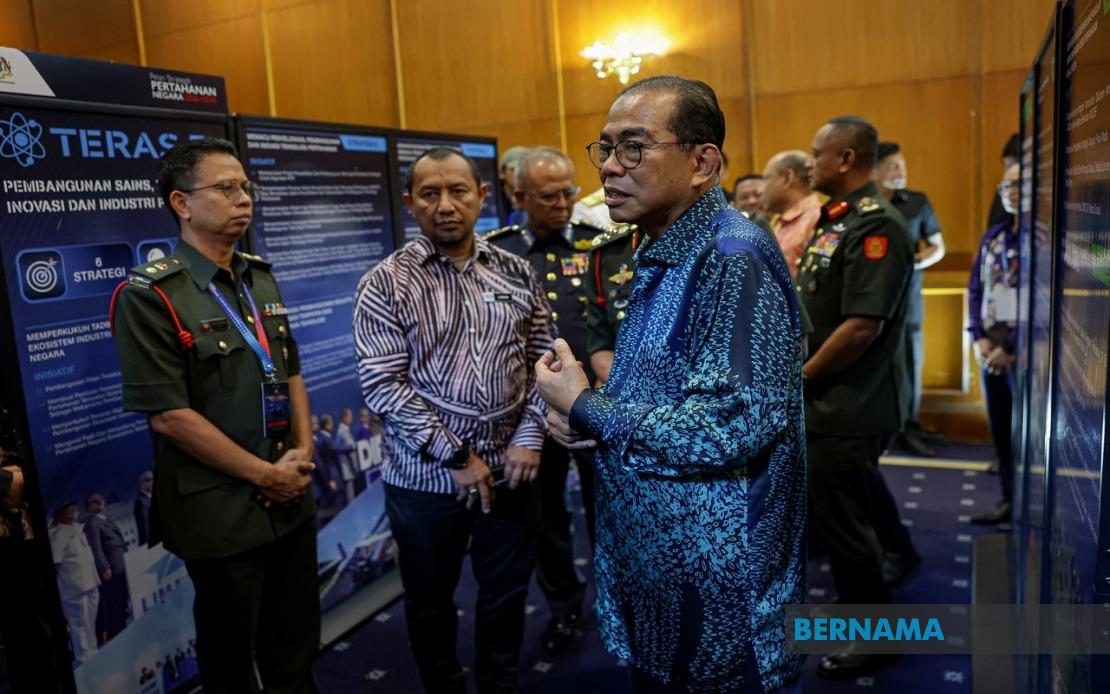
The timing of Defence Minister Datuk Seri Mohamed Khaled Nordin's public statements, delivered during the launch of the National Defence Strategic Plan and Defence Capability Blueprint 2026-2030, reflects the government's broader strategic planning context. These new planning frameworks presumably incorporate lessons from the NSM cancellation and shape Malaysia's future approach to defence acquisitions. The inclusion of Chief of Defence Force General Tan Sri Malek Razak Sulaiman at the launch event underscored the military establishment's involvement in defence policy formulation.
The diplomatic approach Malaysia has adopted—formalising notifications to Norway and requesting governmental mediation—represents a measured escalation from direct contractor negotiations. This pathway allows for structured discussion without the confrontational atmosphere that might emerge from litigation or public disputes. Norway, as a nation with advanced defence industrial capabilities and a reputation for responsible international conduct, has incentives to facilitate equitable resolution that preserves its relationships with Southeast Asian defence partners.
For Malaysian defence policy, the Naval Strike Missile cancellation and ensuing compensation claim illustrate the complexity of modern military procurement in small to medium-sized defence markets. Malaysia must balance technological advancement, budgetary realities, strategic requirements, and international commercial obligations. The government's formal engagement of diplomatic channels suggests recognition that careful, principled negotiation serves Malaysia's long-term interests better than adversarial approaches.
The Defence Ministry's decision to keep the Foreign Ministry centrally involved reflects understanding that defence procurement disputes increasingly demand diplomatic sophistication. Compensation claims from international contractors intersect with foreign relations, trade considerations, and Malaysia's standing in the global defence community. By positioning the matter as a diplomatic rather than purely commercial issue, Malaysia signals that it approaches defence partnerships as strategic relationships meriting governmental attention.
As negotiations progress through Norwegian government intermediaries, Malaysia will need to balance its fiscal sovereignty—the PAC's primary concern—against the practical costs of extended disputes and the reputational implications of how the matter concludes. The government's publicly stated commitment to resolving the compensation claim suggests that decision-makers recognise both the legitimacy of contractor claims arising from contract cancellation and Malaysia's right to pursue fair terms that reflect the circumstances of the termination.

