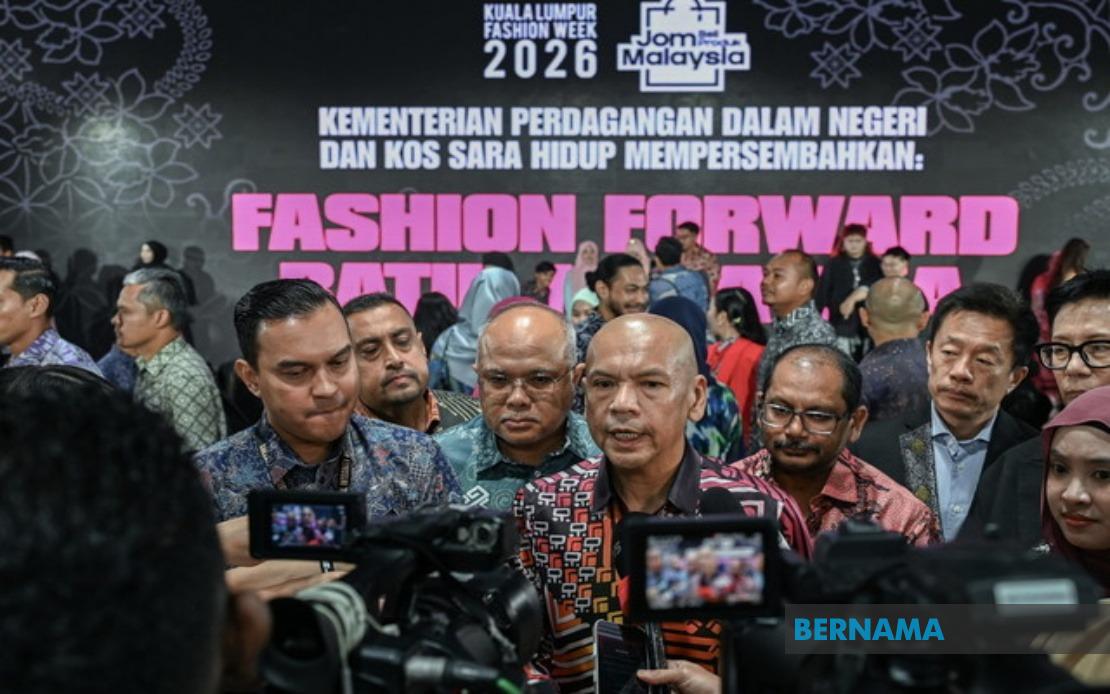
The Malaysian government is taking a consultative approach to reinvigorate its domestic product agenda, with the Domestic Trade and Cost of Living Ministry (KPDN) explicitly requesting proposals and feedback from industry participants, businesses, and other stakeholders. The outreach reflects recognition that effective policy-making requires alignment between government intentions and the actual realities facing businesses operating in Malaysia's competitive marketplace.
Datak Armizan Mohd Ali, the KPDN Minister, articulated this collaborative vision while attending the Kuala Lumpur Fashion Week 2026, where he witnessed the Fashion Forward Batik segment. He stressed that channelling suggestions through KPDN and related agencies will inform deliberations at the Cabinet Committee to empower the use and purchase of local products, which held its inaugural meeting recently. This approach signals a departure from isolated ministry action towards integrated policy coordination across government.
The newly established Cabinet Committee, chaired by Deputy Prime Minister Datuk Seri Fadillah Yusof with KPDN serving as secretariat, represents a structural shift in how Malaysia tackles the challenge of supporting domestic producers and entrepreneurs. Rather than allowing different government bodies to pursue separate initiatives, the committee aims to create synergy among various departments handling trade, investment, tourism, culture, entrepreneurship, and finance. This centralisation reflects lessons learned from previous scattered efforts that failed to achieve meaningful market shifts toward local products.
One pressing motivation behind this coordinated push is the growing anxiety among Malaysian entrepreneurs regarding the flood of foreign merchandise entering domestic markets, both through traditional retail and increasingly through digital commerce platforms. As online shopping reshapes consumer behaviour across Southeast Asia, local businesses face intensified competition from imports that often benefit from economies of scale or lower production costs abroad. The government recognises that addressing this concern requires comprehensive strategies rather than piecemeal interventions.
The strategic collaboration between KPDN and the Kuala Lumpur Fashion Week exemplifies how the government intends to amplify local products through industry engagement. The Jom Beli Produk Malaysia (JOM MALAYSIA) movement represents this philosophy, leveraging fashion week platforms to raise international visibility of Malaysian batik and other culturally significant products. Last year's event achieved USD32 million in media value, demonstrating that world-class fashion platforms can function as effective marketing channels for domestic brands seeking global recognition.
Batik and fashion design hold particular significance within Malaysia's cultural and creative industries, a sector that contributed RM130.7 billion or 6.8 percent to gross domestic product according to the 2024 Cultural and Creative Satellite Account Report. This substantial economic contribution underscores why government support for these industries extends beyond mere nostalgia; it represents a legitimate economic development strategy with measurable returns. Strengthening local product adoption creates multiplier effects throughout supply chains, supporting textile producers, designers, logistics firms, and retail infrastructure.
The committee's composition reveals the breadth of the government's vision. Participation from the Ministry of Economy, Ministry of Investment, Trade and Industry (MITI), Ministry of Tourism, Arts and Culture (MOTAC), Ministry of Entrepreneur Development and Cooperatives (KUSKOP), and the Finance Ministry indicates that supporting local products is conceived not as a narrow trade issue but as a cross-cutting development objective. This inclusion of tourism and culture ministries particularly suggests ambitions to position Malaysian products within narratives of national identity and heritage, potentially commanding premium pricing in international markets.
For Malaysian consumers and businesses, this initiative holds multiple implications. Enhanced coordination should theoretically reduce bureaucratic obstacles facing local producers seeking government support or market access. The emphasis on digital commerce also suggests the government recognises that any viable strategy must address e-commerce platforms where consumers increasingly make purchasing decisions, rather than focusing exclusively on physical retail spaces. Consumer awareness campaigns promoting local products may intensify, shifting purchasing patterns where genuine quality and value propositions support such shifts.
The invitation for stakeholder feedback also matters because implementation challenges often emerge during execution phases. Business groups can alert government to regulatory barriers, infrastructure gaps, or unintended consequences of proposed measures. For instance, policies designed to favour local producers might inadvertently increase costs for manufacturers needing imported inputs, creating counterproductive outcomes. Structured consultation mechanisms theoretically allow such complications to surface before policies become entrenched.
Regionally, Malaysia's coordinated approach to supporting local products reflects broader Southeast Asian trends toward economic localisation and reduced dependence on imports, partly influenced by supply chain vulnerabilities exposed during pandemic periods. Thailand, Vietnam, and Indonesia have similarly emphasised domestic value creation and reduced import reliance. Malaysia's framework, emphasising cross-agency coordination rather than protectionism, potentially positions the country as pursuing sophistication-driven rather than purely protectionist strategies.
The broader context involves long-standing tensions between Malaysia's openness to international commerce and periodic impulses toward protecting domestic industries. This initiative represents an attempt to reconcile both concerns by strengthening local competitiveness rather than resorting to tariffs or import restrictions. Success depends on whether the government's investment in coordination actually translates into meaningful support reaching entrepreneurs, or whether the committee becomes another layer of bureaucracy without tangible outcomes.
Stakeholders considering submissions should focus on concrete barriers they face and realistic solutions rather than vague requests for protection. Those highlighting how specific regulatory changes, training support, or market access initiatives could enhance their competitiveness are more likely to influence policy than generalised complaints. The government's openness to feedback, unusual in Malaysian governance contexts, presents a genuine opportunity for interest groups to shape the policy environment during formative stages.

